Deals on vacations and trips to Branston
Save when you book Branston package deals

Branston flight + hotel vacation packages
Price found within the past 48 hours. Click for updated prices.
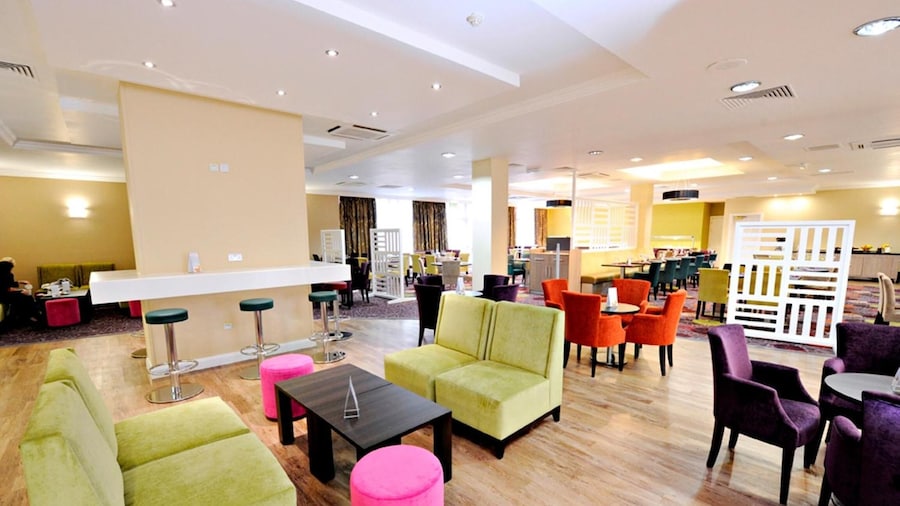
The Link Hotel Loughborough
Price was $1,538, price is now $1,525 per person
$1,525
per person
Jul 19 - Jul 20
found 1 day ago
Roundtrip flight included
New York (NYC) to East Midlands (EMA)
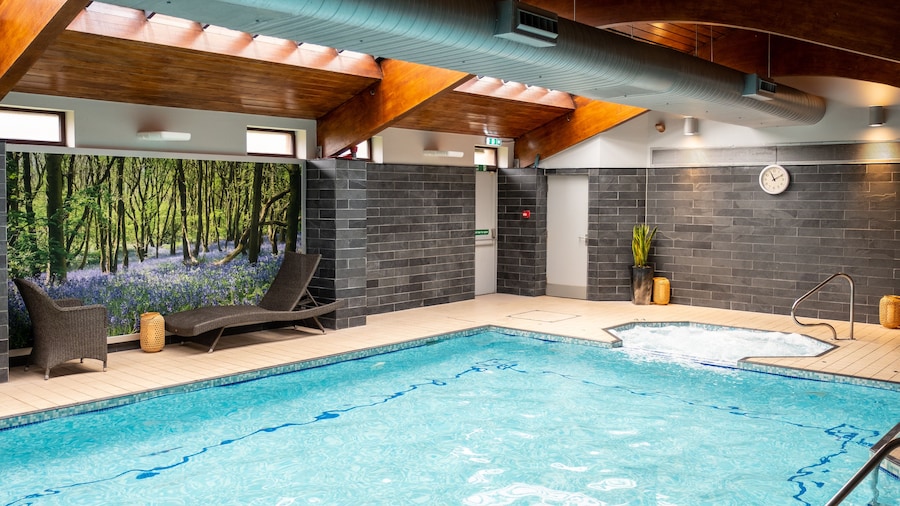
This hotel features a gym and a bar/lounge. Traveling for business? Take advantage of the free WiFi in public areas, express check-out, and conference center. Free self parking, a coffee shop, and a garden are also offered.
Burleigh Court Hotel
Price was $1,560, price is now $1,540 per person
$1,540
per person
Jul 19 - Jul 20
found 1 day ago
Roundtrip flight included
New York (NYC) to East Midlands (EMA)
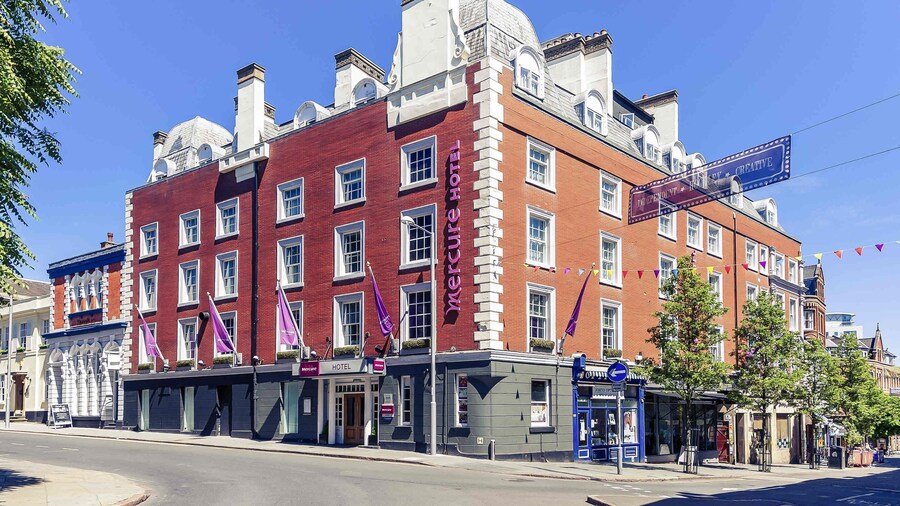
A full-service spa, an indoor pool, and a restaurant are all featured at this smoke-free hotel. Traveling on business? Take advantage of the business center and free WiFi in public areas. Enjoy the gym and perks like free self parking.
Nottingham City Centre by Sunday
Nottingham City Centre
Price was $1,559, price is now $1,540 per person
$1,540
per person
Jul 19 - Jul 20
found 1 day ago
Roundtrip flight included
New York (NYC) to East Midlands (EMA)
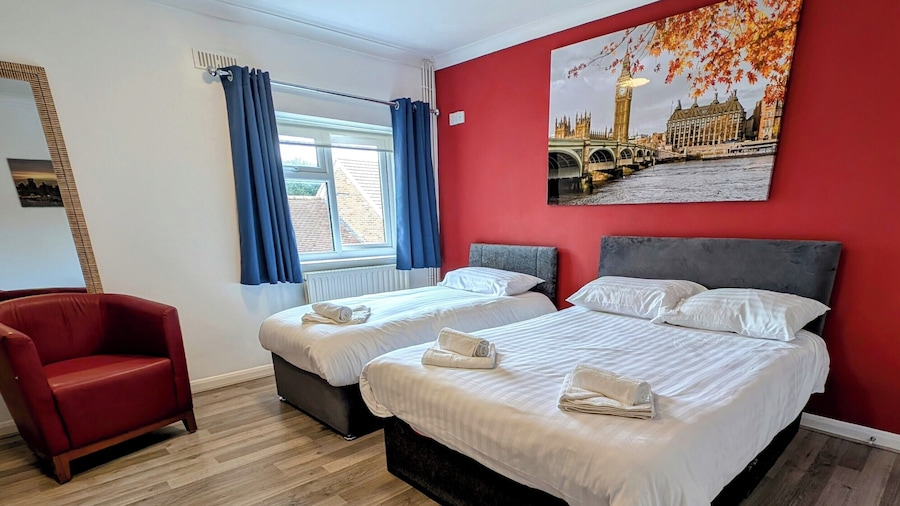
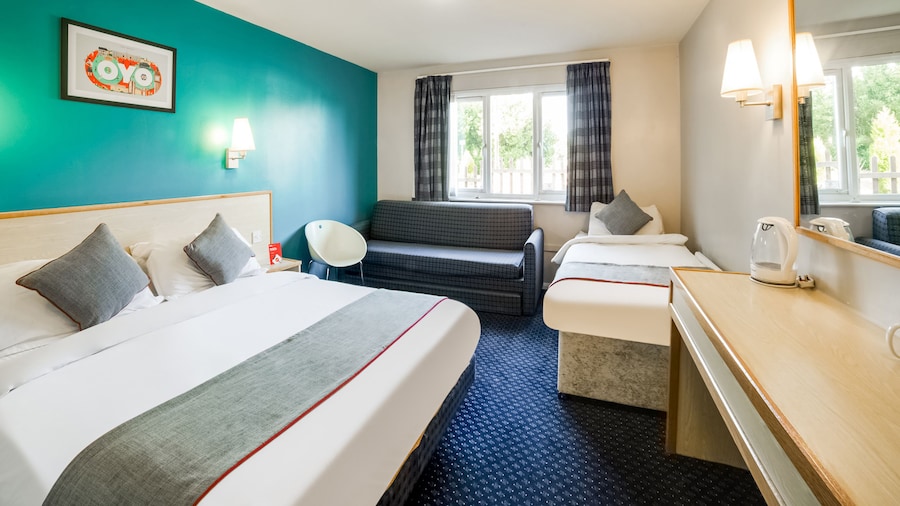
A 24-hour gym is featured at this hotel, along with free WiFi in public areas and dry cleaning. Traveling on business? Take advantage of the business center and onsite conference space. There's luggage storage and multilingual staff can provide around-the-clock assistance.
OYO Sunrise Hotel, A46 N Leicester
Price was $1,541, price is now $1,527 per person
$1,527
per person
Jul 19 - Jul 20
found 1 day ago
Roundtrip flight included
New York (NYC) to East Midlands (EMA)
This hotel doesn't skimp on freebies - guests receive free WiFi and free self parking. A garden and a snack bar/deli are also provided.
Top Branston hotels deals

White Hart Hotel
Bailgate Lincoln England
Free Cancellation
Reserve now, pay when you stay
$109 nightly
The price is $131 total per night
$131 total
May 25 - May 26
Total with taxes and fees
This smoke-free hotel features 2 restaurants and 2 bars/lounges. Traveling on business? Take advantage of the business center and free WiFi in public areas. A snack bar/deli, dry cleaning, and luggage storage are also on offer.
Pet friendly
Free WiFi

DoubleTree by Hilton Lincoln
Brayford Wharf North Lincoln England
Free Cancellation
Reserve now, pay when you stay
$93 nightly
The price is $112 total per night
$112 total
May 28 - May 29
Total with taxes and fees
This hotel features a restaurant, a gym, and a bar/lounge. Traveling on business? Take advantage of the business center and free WiFi in public areas. Self parking, a grocery/convenience store, and dry cleaning are also offered.
Pet friendly
Free WiFi
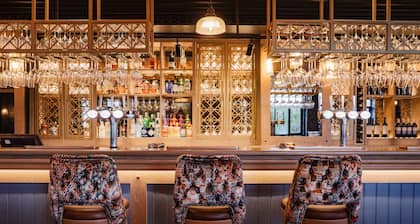
Belton Woods Hotel, Spa & Golf Resort
Belton Grantham England
Free Cancellation
Reserve now, pay when you stay
$125 nightly
The price is $150 total per night
$150 total
May 31 - Jun 1
Total with taxes and fees
This hotel features a golf course, a full-service spa, and a restaurant. Bring the family and enjoy the children's pool and kid-friendly dining. Relax with a drink at one of the 2 bars/lounges and enjoy free perks like free self parking and WiFi in public areas.
Pool
Spa
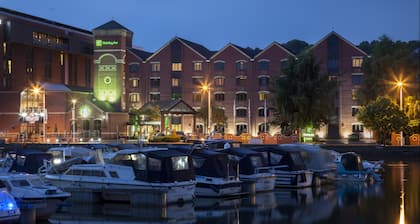
Holiday Inn Lincoln by IHG
Brayford Wharf North Lincoln England
Free Cancellation
$71 nightly
The price is $85 total per night
$85 total
May 25 - May 26
Total with taxes and fees
Self parking is available and the hotel's multilingual staff can provide around-the-clock assistance. WiFi in public areas is free. Traveling on business? Take advantage of the laundry service and onsite conference space.
Pet friendly
Free WiFi
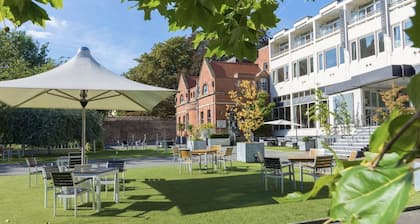
The Lincoln Hotel
Eastgate Lincoln England
Free Cancellation
Reserve now, pay when you stay
$81 nightly
The price is $97 total per night
$97 total
May 25 - May 26
Total with taxes and fees
This hotel features a restaurant, a gym, and a bar/lounge. WiFi in public areas is free. Self parking, a garden, and luggage storage are also offered.
Free WiFi
Restaurant

Woodcocks, Lincoln by Marston's Inns
Saxilby Road Lincoln England
Free Cancellation
Reserve now, pay when you stay
$52 nightly
The price is $63 total per night
$63 total
Jun 7 - Jun 8
Total with taxes and fees
A restaurant and a bar/lounge are featured at this inn. Guests will appreciate free perks like free self parking and WiFi in public areas. A garden is also provided.
Parking included
Free WiFi
Lowest nightly price found within the past 24 hours based on a 1 night stay for 2 adults. Prices and availability subject to change. Additional terms may apply.
Popular places to visit

Lincoln Castle
Lincoln Castle is just one of the places to see in Lincoln, so why not enjoy the other things to explore during your travels? Add the area's stunning cathedral or shops to your travel plans.

Lincoln Cathedral
After visiting Lincoln Cathedral, make a plan to see the other sights and activities in Lincoln. Add the area's stunning cathedral or shops to your travel plans.

Tattershall Castle
You can learn about the history of Tattershall with a stop at Tattershall Castle. While in this quaint area, you can savor the lively bars.
Frequently asked questions

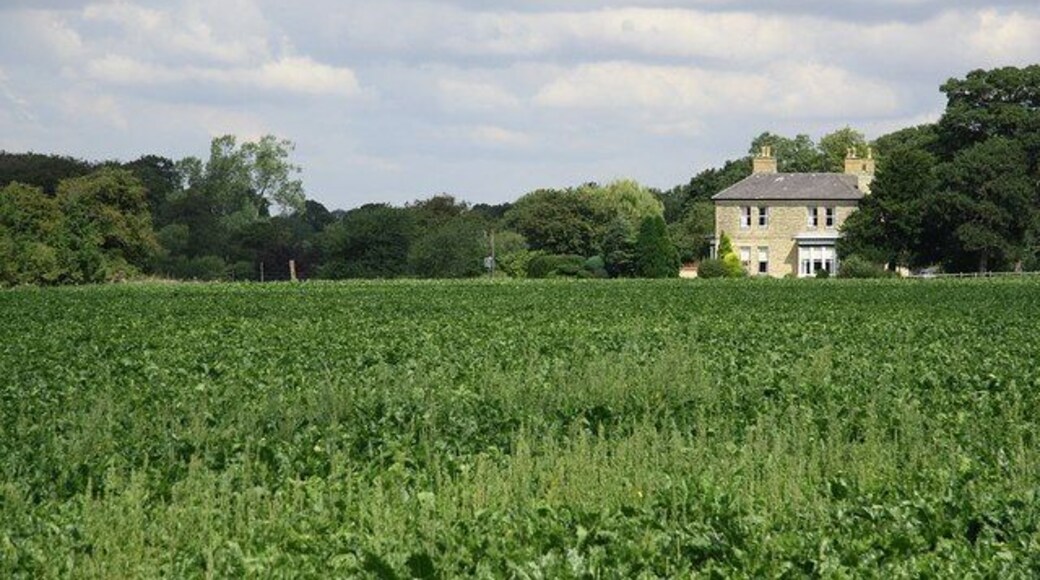


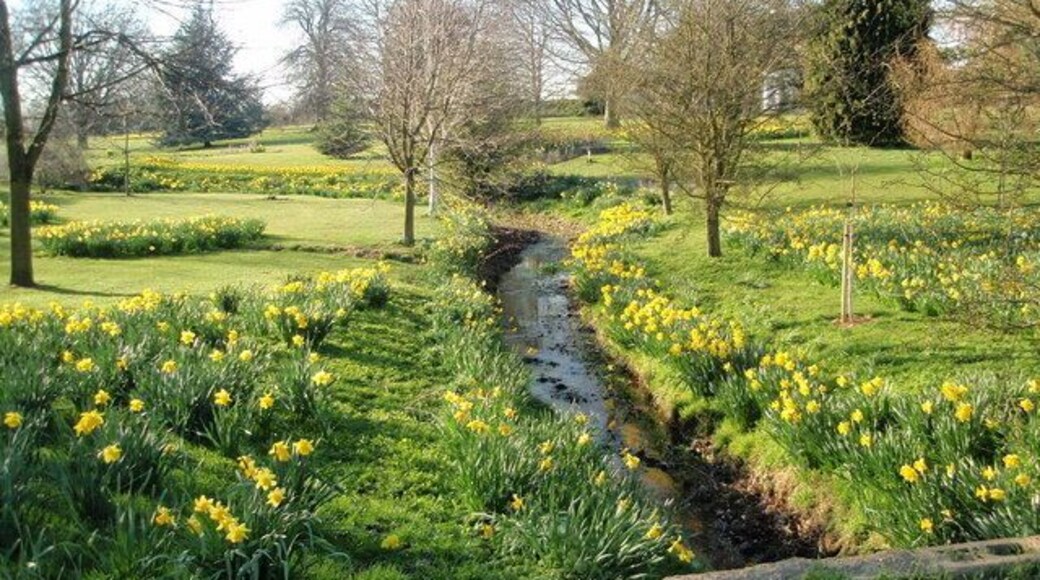
Book a vacation to Branston
Explore More Ways to Travel with Travelocity
- B&B in Saxilby
- Lodges in Saxilby
- Hotels near Lincolnshire Showground
- B&B in Billinghay
- Billinghay Hotels
- Lodges in West Ashby
- Rv Parks in Tattershall
- Hotels near LNER Stadium
- Dunholme Hotels
- Guest Houses in Nettleham
- Nettleham Hotels
- Hemswell Cliff Hotels
- B&B in Sleaford
- Sleaford Hotels
- Hotels near Sundown Adventureland
- Tuxford Hotels
- Cabins in Collingham
- Holdingham Hotels
- Hatton Hotels
- B&B in Ancaster
- Guest Houses in Lincoln
- Hotels with smoking rooms in Lincoln
- Waterpark Hotels and Resorts in Lincoln
- Lincoln Hotels
- Wellingore Hotels
- Coningsby Hotels
- B&B in Horncastle
- Horncastle Hotels
- B&B in North Scarle
- 3 Star Hotels in North Hykeham
- Cottages in North Hykeham
- Cheap Hotels in Burton
- Luxury Hotels in Burton
- Lodges in Burton
- Hotels near Heckington Windmill
- Metheringham Hotels
- Cabins in Navenby
- Farmstay in Normanton on Trent
- Normanton on Trent Hotels
- Hotels near Hemswell Antique Centres
- Lodges in Stragglethorpe
- Rv Parks in Skellingthorpe
- North Willingham Hotels
- Hotels with Free Breakfast in Chapel Hill
- Condos in Woodhall Spa
- Hotels with Hot Tubs in Woodhall Spa
- Hotels with an Indoor Pool in Woodhall Spa
- Hotels on the Lake in Woodhall Spa
- Woodhall Spa Hotels
- Lodges in Woodhall Spa
- Cabins in Timberland
- Timberland Hotels
- Anwick Hotels
- B&B in Caenby Corner
- Cabins in Norwell
- Cottages in Saxilby Station
- Washingborough Hotels
- Hotels near Market Rasen Racecourse
- Apartments in Weston
- B&B in Weston
- Holiday Park Resorts in Cranwell
- Kirkby on Bain Hotels
- Apartments in Market Rasen
- Market Rasen Hotels
- B&B in South Hykeham
- Norton Disney Hotels
- Fulbeck Hotels
- Lodges in Lincoln Station
- Marton Hotels
- Hostels in Newark
- Adults Only Resorts & in Newark
- Hotels with Early Check-in in Newark
- Hotels with a Gym in Newark
- Hotels with an Indoor Pool in Newark
- Newark Hotels
- Villas in Newark
- Lincolnshire Vacations
- Austerfield Vacations
- Dunholme Vacations
- Sundown Adventureland
- Colwick Vacations
- Brigg Vacations
- Cropwell Bishop Vacations
- Eden Hall Day Spa
- Grantham Vacations
- Woodhall Spa Vacations
- Healing Vacations
- Worksop Vacations
- Washingborough Vacations
- Scrooby Vacations
- Norton Disney Vacations