Deals on vacations and trips to Outwell

Save when you book Outwell package deals

Choose two or more items and save on your trip:

Outwell flight + hotel vacation packages

Price found within the past 48 hours. Click for updated prices.
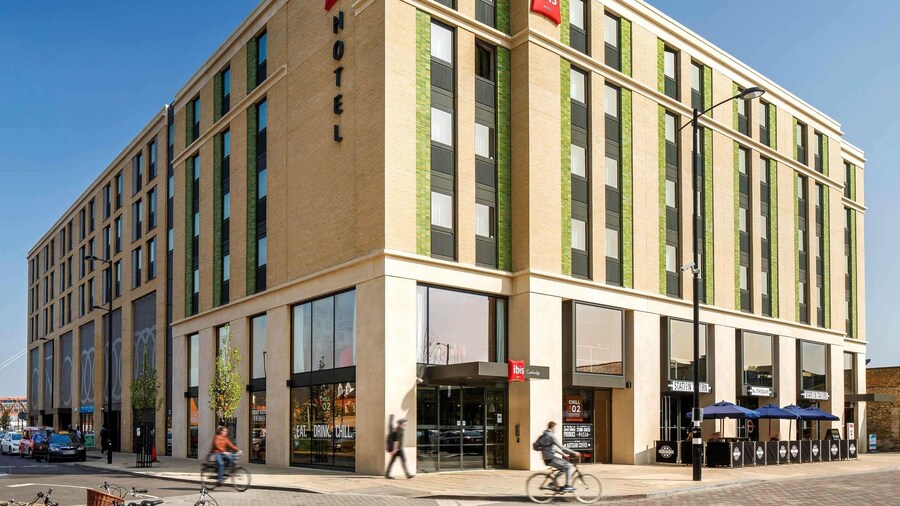
Clayton Hotel Cambridge

Top Outwell hotels deals

Don't see what you're looking for?
See all available properties in Outwell
View all properties
Lowest nightly price found within the past 24 hours based on a 1 night stay for 2 adults. Prices and availability subject to change. Additional terms may apply.

Popular places to visit

Frequently asked questions

How much are vacation packages to Outwell?
Travelocity offers flight and hotel vacation packages starting as low as $1,364. With such amazing bargains, you'll be saying hello to Outwell before you know it.
Where can I get the best vacation package deals for Outwell?
No matter your adventure, Travelocity can help you score the perfect Outwell package deal. The only thing you need to do is pick and choose between our 400 partner airlines and 1,000,000 properties around the world.
Why should I purchase my Outwell vacation package via Travelocity?
Nothing tops the peace of mind knowing you've just picked up the best price around — that's our Price Match Guarantee. Add to that our incredibly broad range of magical destinations and 24/7 team of customer service professionals and you've got the formula for a stress-free vacation.
Will I save money on my Outwell car rental if I combine it with a hotel or flight?
Bundling your hotel, flight and car into an Outwell vacation package is an excellent way to land the best prices. Plus, having your own set of wheels gives you the freedom to make your way to all those landmarks you're itching to check out. Located 80 mi from Outwell, Big Ben is one place that should be on your must-do list. Turn up the tunes and make a day trip of it.
Which airport is best for Outwell?
One option is Luton Airport (LTN). From here, you'll need to travel northeast for around 55 mi to reach inner Outwell. Another possibility is Norwich Intl. Airport (NWI), which is 45 mi away from central Outwell.
Where should I stay when visiting Outwell?
If you're searching for someplace comfortable to spend your nights, consider the Crown Lodge Hotel. It's the top pick for many visitors.

Photos of local treasures

Browse Outwell vacation photos for more inspiration
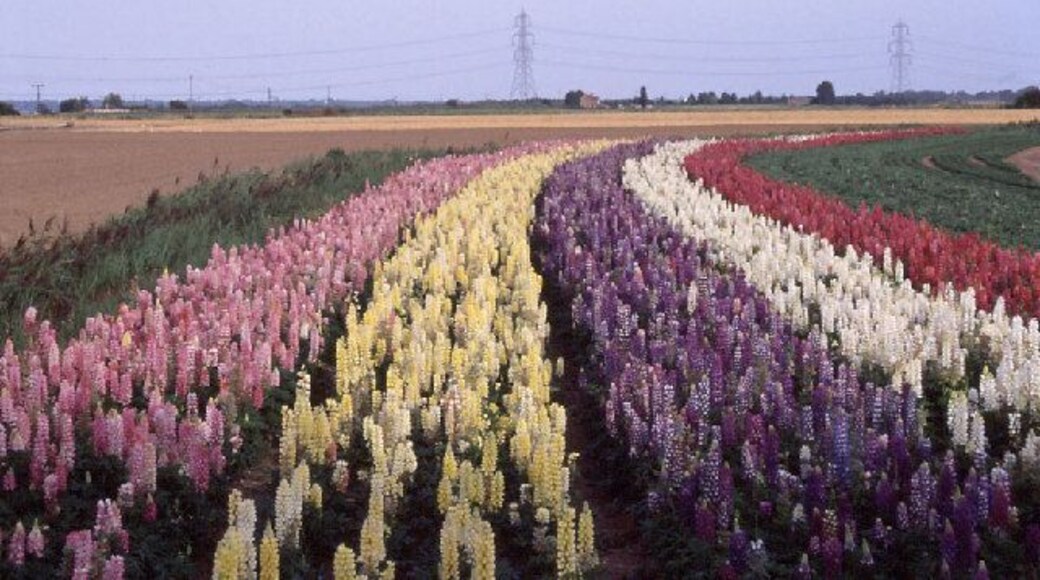
Fenland: lupins in bloom, a crop of nursery stock at Outwell. When the nursery stock is in bloom the fields are startlingly colourful.
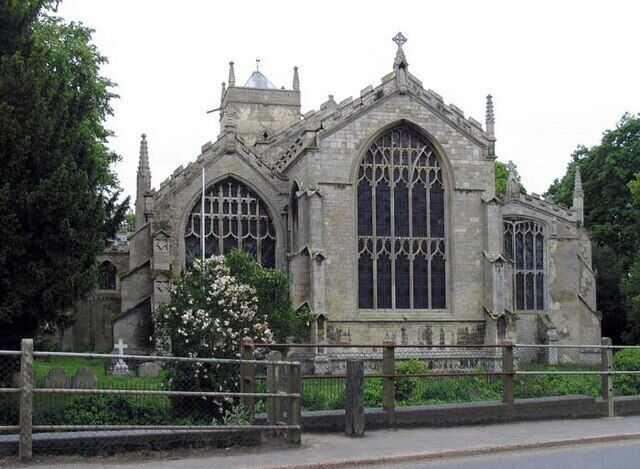
Saint Clement Parish church, Outwell, Norfolk
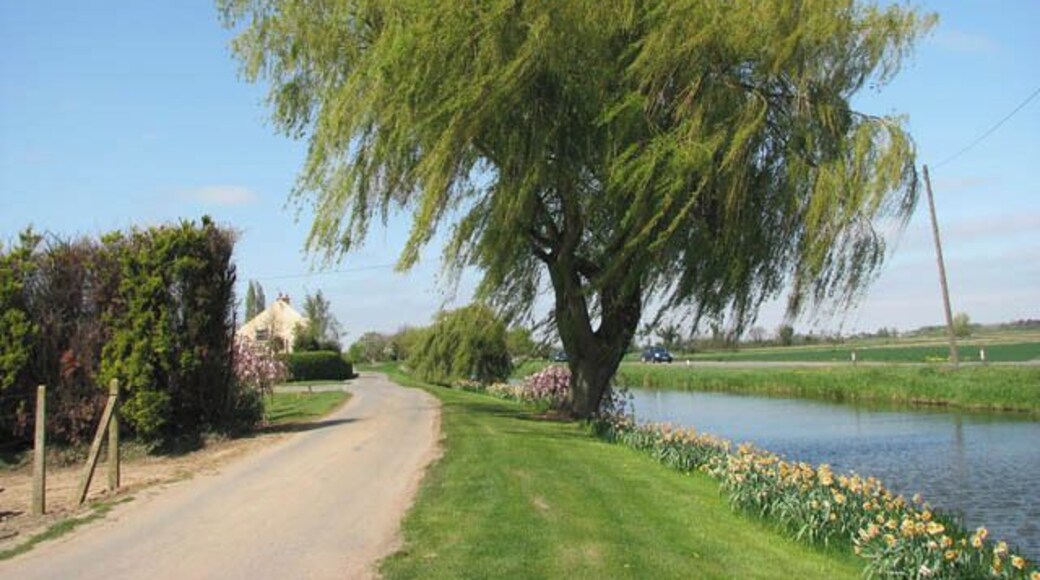
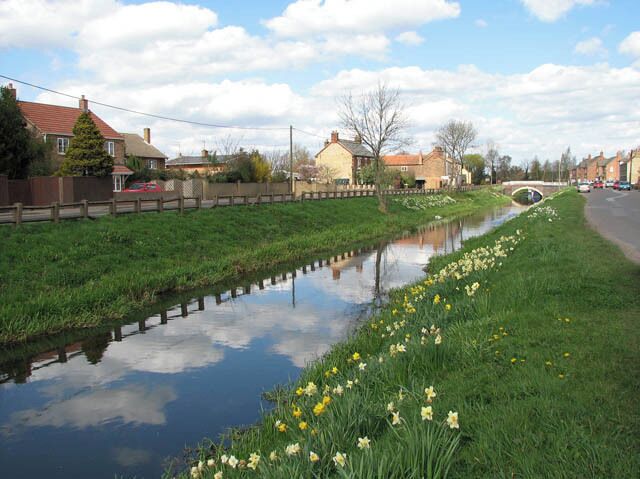
Wisbech & Upwell tramway - Goodman's Crossing Wisbech & Upwell tramway's Upwell depot > 1241222 was 5 miles 72 chains distant from Wisbech. The line had eleven sidings, with two originally allocated for passenger traffic. During the fruit season the sidings could hold more than a hundred vans. The depot had a cattle dock, a depot office, a passenger waiting room, and a coal merchant's office and staithes. There was also an ash pit, and an old GER tender was used for a water tower until 1953 when it was removed. http://www.lner.info/co/GER/wisbech/route.shtml From the Upwell depot, which was the southern terminus of the tramway, the trains headed northwards > https://www.geograph.org.uk/photo/1241251 to the village of Outwell, crossing Small Lode > https://www.geograph.org.uk/photo/1241268 and passing a farm before emerging on Low Side > https://www.geograph.org.uk/photo/1241442 which was the final request stop. A farm driveway now runs where the railway trackbed used to be > https://www.geograph.org.uk/photo/1241431. Running parallel with Well Creek (the old course of the River Nene) the tramway then ran along the grassy verge seen in the foreground before reaching the final section of reserved track at Goodman's Crossing request stop before reaching Outwell Village depot. Outwell Village depot > https://www.geograph.org.uk/photo/1241458 was located just past the bridge seen in the background - by the old course of the River Nene and adjoined by St Clement's church on the other side. It originally had four sidings and was equipped with coal chutes to transfer coal to barges for distribution through the Fens. The depot had a small office building built from red brick > https://www.geograph.org.uk/photo/1241479 and an old van body for storage. The brick office still stands, but most of the depot site has since been built over by modern housing. The name of the cul-de-sac/access road is called "The Tramway". When during the 13th century the estuary silted up, the fens surrounding the market town and port of Wisbech were reclaimed for agricultural use. The new agricultural prosperity soon attracted railways such as the Eastern Counties Railway which opened a branch in 1847. In 1848 the East Anglian Railway built a branch from Watlington. A third line was built by the Peterborough, Wisbech & Sutton Bridge Railway (later the Midland & Great Northern Joint Railway) which opened a station on the other side of the River Nene in 1866. The trains carried fruit and vegetables to markets as far afield as London. In addition, the construction of a tramway line connecting the villages Upwell and Outwell with Wisbech commenced in 1882. Board of Trade's tram restrictions resulted in the unusual-looking locomotives which not only had speed restrictions but controls at both ends and wooden cowcatchers and skirts over the wheels. Six trams a day in each direction provided passenger services, with the full one way journey taking one hour. By October 1884 traffic had grown to 3000 passengers per week, with peaks of 2000 in a day for fetes and other special events. The tram competed with a canal that ran between Wisbech and Upwell and with the canal being in a poor financial condition the tram eventually finished it off. When motor omnibuses started to appear, however, passenger numbers declined drastically and passenger services were withdrawn in 1927, whereas freight traffic continued to flourish. With the introduction of two Drewry Shunters (BR Class 04) in 1952, Wisbech & Upwell became Britain's first all-diesel line. The line closed in March 1966. http://www.lner.info/co/GER/wisbech/history.shtml
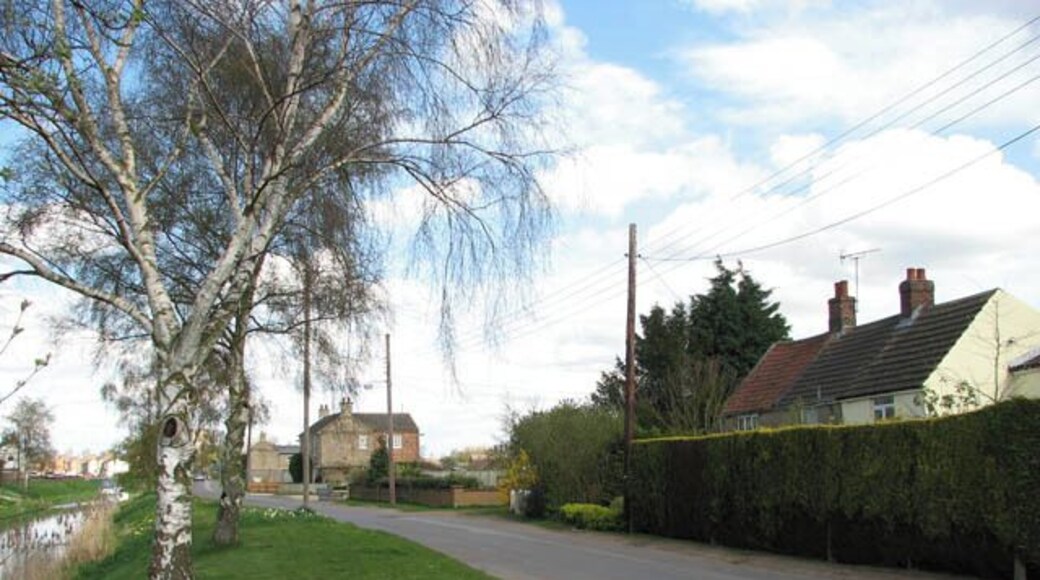
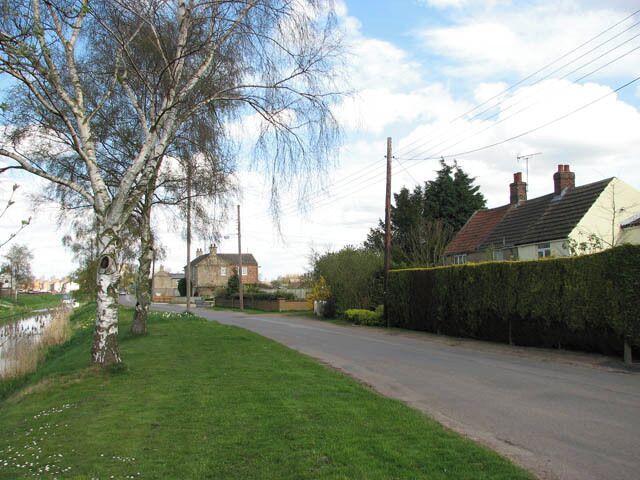
Low Side Northeasterly view along Low Side which runs parallel with the old course of the River Nene (seen at left). After leaving Wisbech & Upwell tramway's Upwell depot > https://www.geograph.org.uk/photo/1241222 - the line's southern terminus - the trains headed northwards > https://www.geograph.org.uk/photo/1241251 to the village of Outwell, crossing Small Lode > https://www.geograph.org.uk/photo/1241268 and passing a farm before emerging on Low Side which was the final request stop. A farm driveway now runs where the railway trackbed used to be > > https://www.geograph.org.uk/photo/1241431. Low side is the name of the road with runs parallel with the old course of the River Nene - the tram followed this road's eastern verge. http://www.lner.info/co/GER/wisbech/route.shtml When during the 13th century the estuary silted up, the fens surrounding the market town and port of Wisbech were reclaimed for agricultural use. The new agricultural prosperity soon attracted railways such as the Eastern Counties Railway which opened a branch in 1847. In 1848 the East Anglian Railway built a branch from Watlington. A third line was built by the Peterborough, Wisbech & Sutton Bridge Railway (later the Midland & Great Northern Joint Railway) which opened a station on the other side of the River Nene in 1866. The trains carried fruit and vegetables to markets as far afield as London. In addition, the construction of a tramway line connecting the villages Upwell and Outwell with Wisbech commenced in 1882. Board of Trade's tram restrictions resulted in the unusual-looking locomotives which not only had speed restrictions but controls at both ends and wooden cowcatchers and skirts over the wheels. Six trams a day in each direction provided passenger services, with the full one way journey taking one hour. By October 1884 traffic had grown to 3000 passengers per week, with peaks of 2000 in a day for fetes and other special events. The tram competed with a canal that ran between Wisbech and Upwell and with the canal being in a poor financial condition the tram eventually finished it off. When motor omnibuses started to appear, however, passenger numbers declined drastically and passenger services were withdrawn in 1927, whereas freight traffic continued to flourish. With the introduction of two Drewry Shunters (BR Class 04) in 1952, Wisbech & Upwell became Britain's first all-diesel line. The line closed in March 1966. http://www.lner.info/co/GER/wisbech/history.shtml