Deals on vacations and trips to Oakham
Save when you book Oakham package deals

Oakham flight + hotel vacation packages
Price found within the past 48 hours. Click for updated prices.

voco Leicester by IHG
Price was $972, price is now $972 per person
$972
per person
Nov 7 - Nov 9
found 1 day ago
Roundtrip flight included
Atlanta (ATL) to East Midlands (EMA)
A restaurant and a bar/lounge are featured at this hotel. WiFi in public areas is free. Self parking, a coffee shop, and express check-in are also offered.
Top Oakham hotels deals
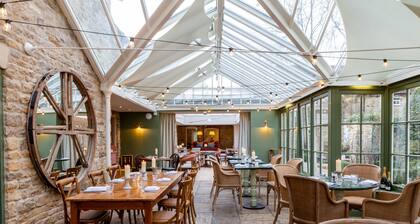
The Barnsdale, Rutland
The Avenue, Exton Oakham England
Free Cancellation
Reserve now, pay when you stay
$130 nightly
The price is $156 total per night
$156 total
Oct 14 - Oct 15
Total with taxes and fees
A full-service spa, an outdoor pool, and a restaurant are all featured at this smoke-free hotel. Traveling on business? Take advantage of the business center and free WiFi in public areas. Relax with a drink at the bar/lounge and enjoy perks like free self parking.
Pool
Spa
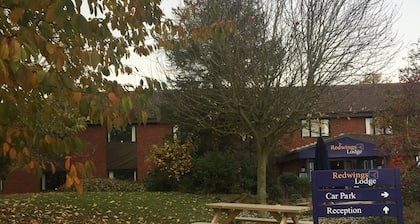
Redwings Lodge Uppingham
A47 Glaston Road Oakham England
$50 nightly
The price is $60 total per night
$60 total
Sep 20 - Sep 21
Total with taxes and fees
Free self parking is available and the hotel's front desk is staffed around-the-clock. Guests will appreciate free perks like buffet breakfast and WiFi in public areas. A garden and a picnic area are also provided.
Breakfast included
Pet friendly

Rutland Hall Hotel & Spa
North Oakham Oakham England
Free Cancellation
Reserve now, pay when you stay
$141 nightly
The price is $169 total per night
$169 total
Sep 27 - Sep 28
Total with taxes and fees
A full-service spa, an indoor pool, and a restaurant are all featured at this hotel. Traveling on business? Take advantage of the free WiFi in public areas, conference center, and conference space. Enjoy the gym and perks like free self parking.
Pool
Spa
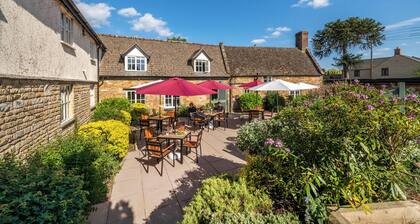
The Old Pheasant Hotel
15 Main Road Oakham England
Free Cancellation
Reserve now, pay when you stay
$77 nightly
The price is $92 total per night
$92 total
Oct 4 - Oct 5
Total with taxes and fees
A restaurant and a bar/lounge are featured at this hotel. There's no skimping on freebies - guests receive free English breakfast, free WiFi, and free self parking. A coffee shop, a terrace, and a picnic area are also on offer.
Breakfast included
Parking included

Greetham Valley Hotel
Wood Lane Oakham England
Free Cancellation
Reserve now, pay when you stay
$99 nightly
The price is $118 total per night
$118 total
Sep 17 - Sep 18
Total with taxes and fees
A golf course and a restaurant are featured at this smoke-free hotel. Traveling on business? Take advantage of the business center and free WiFi in public areas. A bar/lounge, a 24-hour front desk, and a terrace are also provided.
Free WiFi
Restaurant
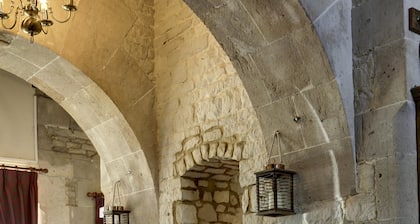
Normanton Park Hotel, BW Signature Collection
Normanton Road Oakham England
Free Cancellation
Reserve now, pay when you stay
$81 nightly
The price is $97 total per night
$97 total
Sep 24 - Sep 25
Total with taxes and fees
This hotel features 2 restaurants and a bar/lounge. WiFi in public areas is free. A terrace, a garden, and a lobby fireplace are also on offer.
Pet friendly
Free WiFi
Lowest nightly price found within the past 24 hours based on a 1 night stay for 2 adults. Prices and availability subject to change. Additional terms may apply.


Frequently asked questions


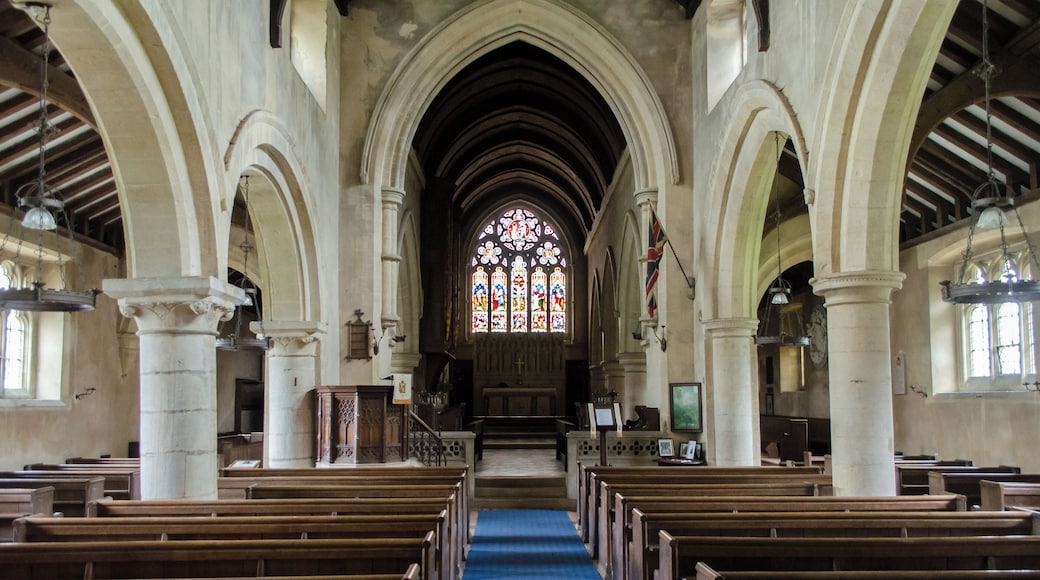
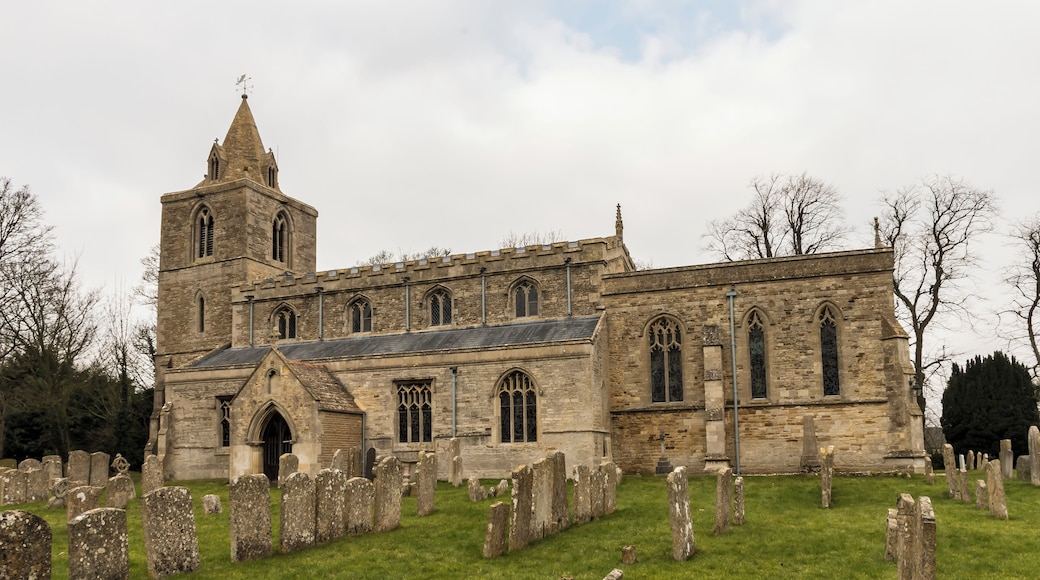
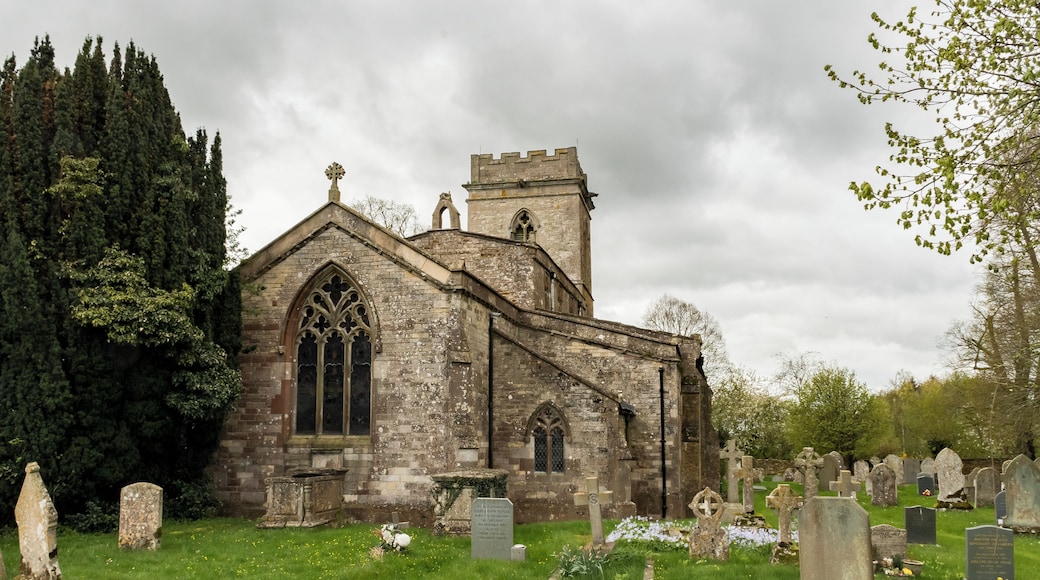
Book a vacation to Oakham
Explore More Ways to Travel with Travelocity
- Hotels in Tugby
- Smoking in Stamford
- The Wisteria Hotel
- Hambleton Hall
- Cottages in Oakham
- Quorn Lodge Hotel
- Molly's Way
- Best Western Sysonby Knoll Hotel
- Cottages in Melton Mowbray
- Apartments in Melton Mowbray
- Cottages in Medbourne
- Hotels in Manton
- Bedandbreakfast in Cottesmore
- Hotels in Corby
- Snooze Hotel
- Holiday Inn Corby Kettering Hotel & Spa
- Hotels in Burton Coggles
- Hotels in Benefield
- Cottages in Barnsdale
- Hotels in Ashley