Reserva paquetes vacacionales exclusivos en Mehedinti
Las mejores ofertas de hoteles en Mehedinti

Turnu Severin Continental Hotel
B-dul Carol I 2 Drobeta-Turnu Severin
Cancelación gratuita
Reserva ahora y paga después
$45 por noche
El precio es de $51 en total por noche
$51 en total
27 sep. - 28 sep.
Total con impuestos y cargos
Este hotel tiene un restaurante y un bar o lounge. Hay un centro de negocios disponible las 24 horas y wifi gratis por si tu viaje es de trabajo. Aquí también contarás con estacionamiento, una cafetería y una terraza.
Mascotas
Wifi gratis
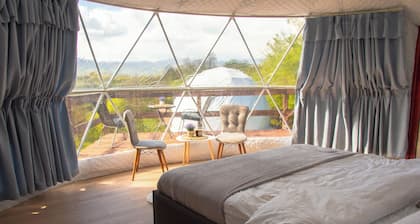
Sanctum Glamping
T14 Cireșu MH
$79 por noche
El precio es de $87 en total por noche
$87 en total
28 sep. - 29 sep.
Total con impuestos y cargos
Este campamento ofrece servicios en cortesía a sus huéspedes, entre ellos wifi gratis y estacionamiento gratis. También hay una terraza, un jardín y una biblioteca.
Mascotas
Estacionamiento incluido

Hotel Ceres
Bala Bai, DC44 Bala Mehedinti
Este hotel tiene aguas termales y una alberca techada. Aprovecha las cortesías disponibles para sus huéspedes, como desayuno incluido, wifi gratis y estacionamiento gratis. Asimismo, cuenta con servicio de lavandería o tintorería y resguardo de equipaje.
Alberca
Desayuno incluido

Nest
19 Strada Matei Vasilescu Drobeta-Turnu Severin MH
Cancelación gratuita
Reserva ahora y paga después
$85 por noche
El precio es de $96 en total por noche
$96 en total
23 sep. - 24 sep.
Total con impuestos y cargos
Este hotel tiene un restaurante y un bar o lounge. Hay un centro de negocios, wifi gratis en las áreas comunes y traslado desde/hacia el aeropuerto por si tu viaje es de trabajo. Sus huéspedes aprovechan cortesías como desayuno buffet y estacionamiento gratis.
Desayuno incluido
Estacionamiento incluido

Hotel Clipa
Str. Brancoveanu Drobeta-Turnu Severin MH
Este hotel tiene un restaurante y un bar o lounge. Los huéspedes aprovechan beneficios como desayuno buffet y wifi. También hay una cafetería, un jardín y un snack bar o deli.
Desayuno incluido
Wifi gratis
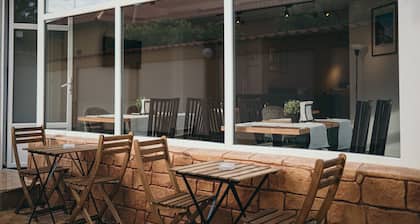
NEST Guesthouse
72 Strada Unirii Drobeta-Turnu Severin MH
Cancelación gratuita
Reserva ahora y paga después
$82 por noche
El precio es de $92 en total por noche
$92 en total
4 oct. - 5 oct.
Total con impuestos y cargos
Este hotel, además de estacionamiento gratis, cuenta con un bar o lounge y una cafetería. Los huéspedes aprovechan beneficios como desayuno buffet y wifi. Asimismo, cuenta con resguardo de equipaje.
Desayuno incluido
Estacionamiento incluido
¿No encuentras lo que buscas?
Ve todas las propiedades disponibles en Mehedinti
Ver todas las propiedadesPrecio más bajo por noche encontrado en las últimas 24 horas, con base en una estancia de 1 noche para 2 adultos. Los precios y la disponibilidad están sujetos a cambios. Aplican términos adicionales.
Hospédate cerca de algunas de las atracciones destacadas de Mehedinti
Fotos de tesoros locales
Explora las fotos de Mehedinti y déjate inspirar para tus próximas vacaciones