
Reserva paquetes vacacionales exclusivos en Imlay

Elige dos o más componentes y ahorra en tu viaje:

Paquetes de vuelo y hotel en Imlay

Precios encontrados en las últimas 48 horas. Haz clic en el anuncio para ver los precios actualizados.
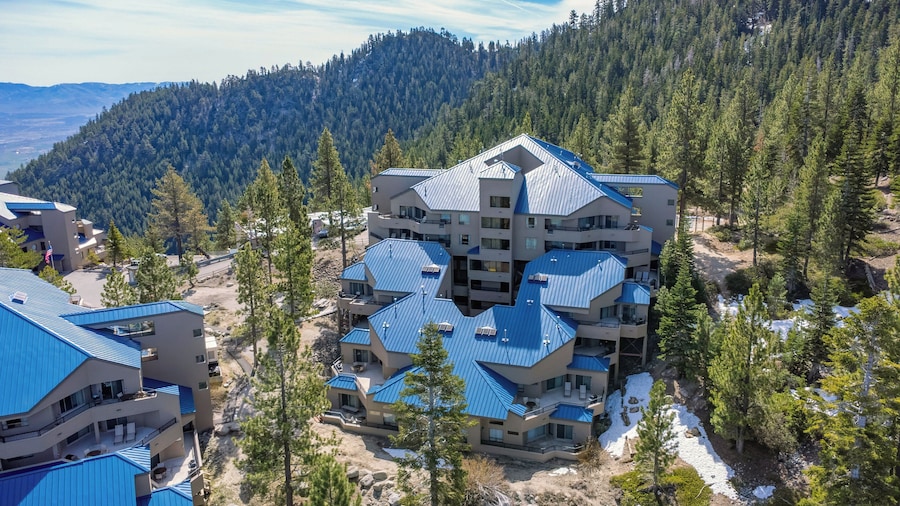
Club Tahoe Resort
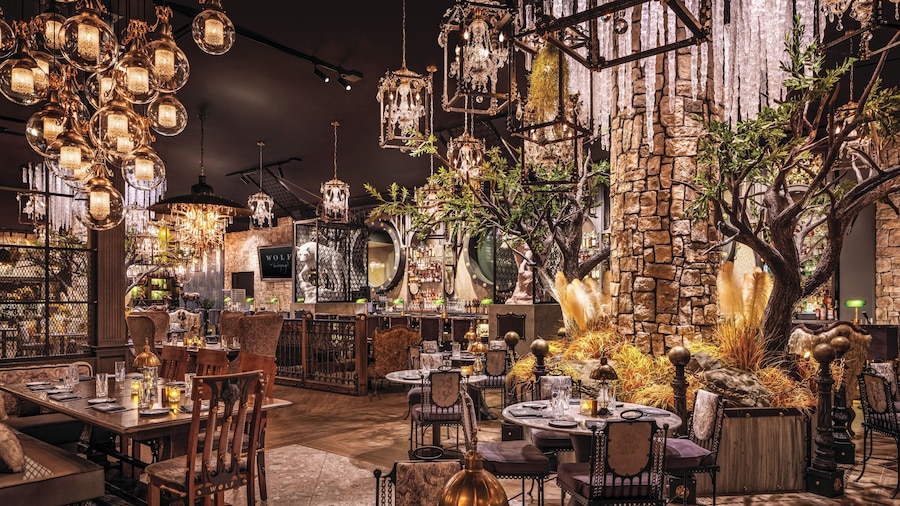
Red Wolf Lodge at Olympic Valley
Red Wolf Lakeside Lodge
@ Marbella Lane - Eccentric 4BR Modern Ranch Home
Firelite Lodge

Las mejores ofertas de hoteles en Imlay

¿No encuentras lo que buscas?
Ve todas las propiedades disponibles en Imlay
Ver todas las propiedades
Precio más bajo por noche encontrado en las últimas 24 horas, con base en una estancia de 1 noche para 2 adultos. Los precios y la disponibilidad están sujetos a cambios. Aplican términos adicionales.

Sitios más populares para visitar

Fotos de tesoros locales

Explora las fotos de Imlay y déjate inspirar para tus próximas vacaciones

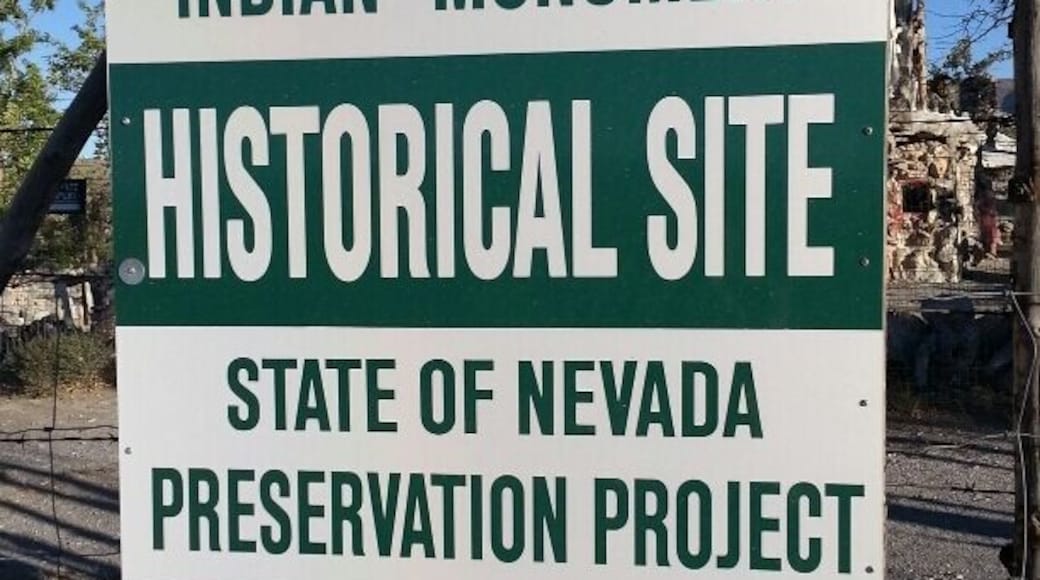
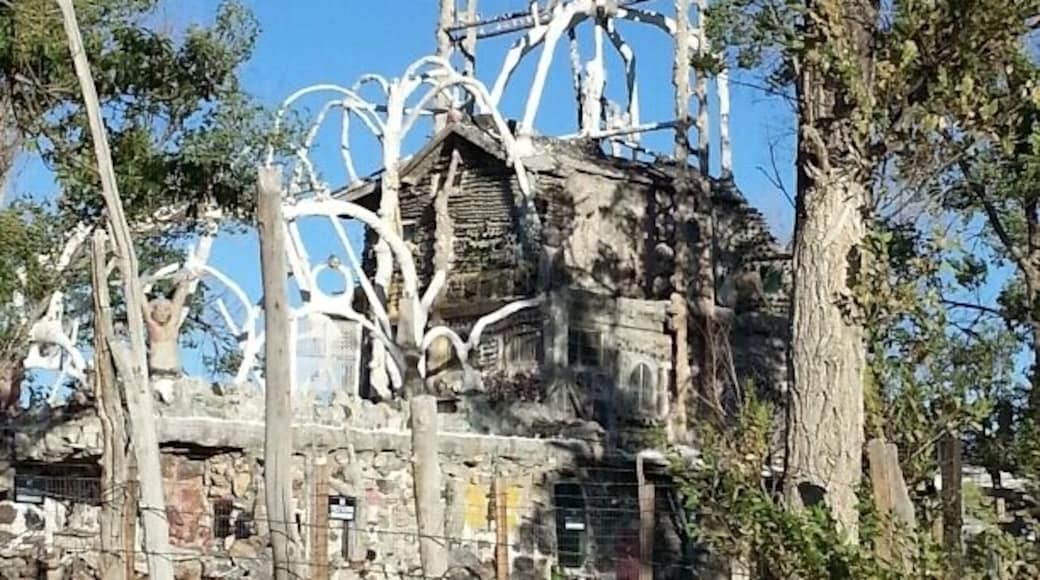
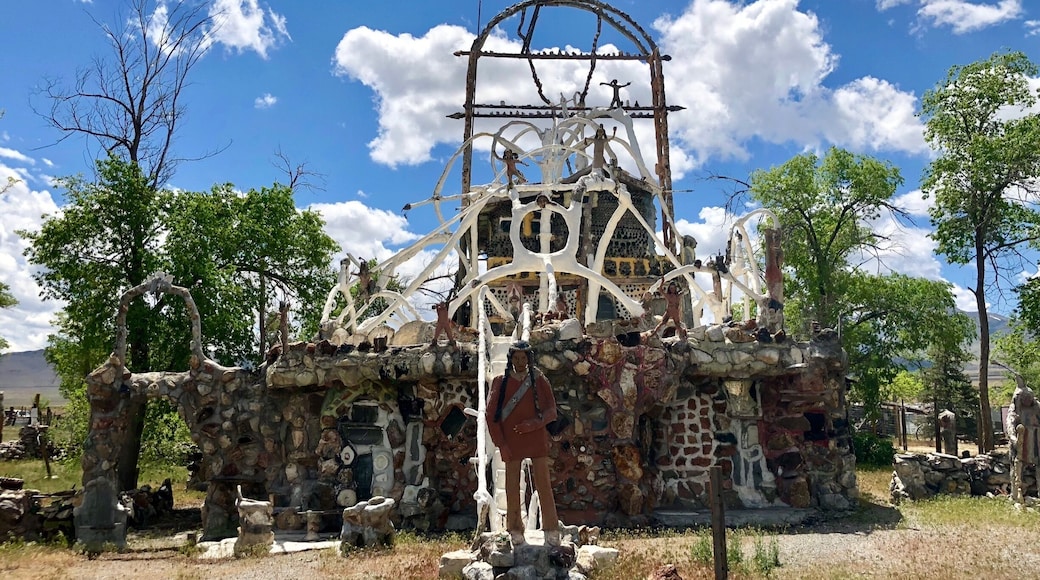
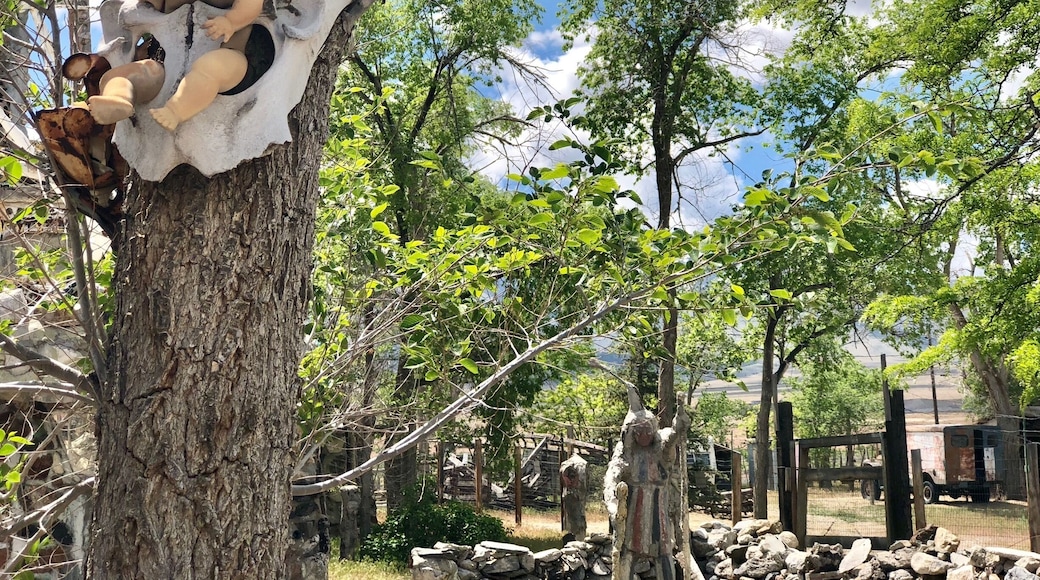
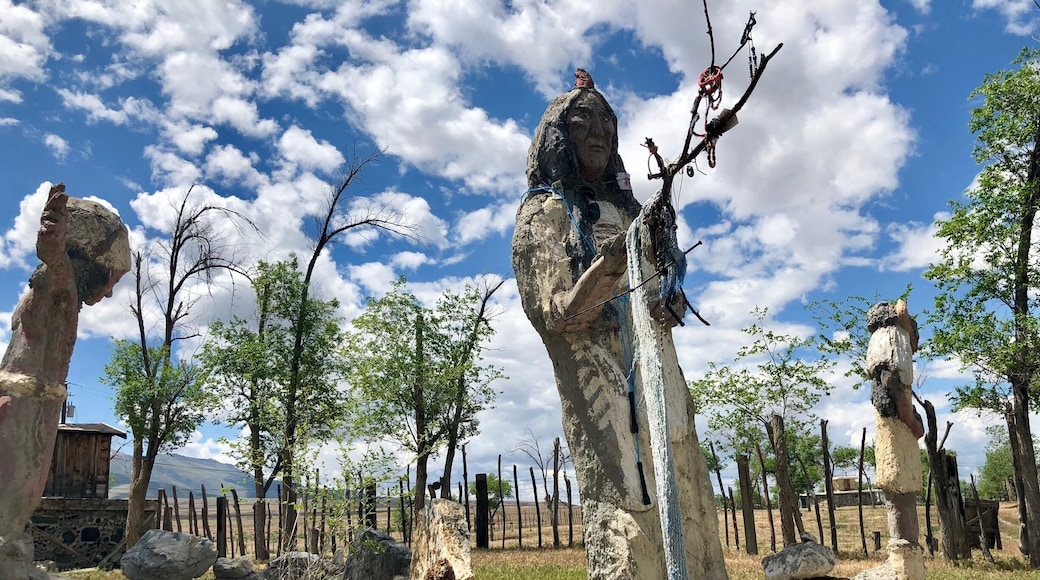
The?Thunder Mountain Monument?is a series ofoutsider art?sculptures and architectural forms which were assembled by Frank Van Zant starting in 1969 upon his arrival in?Imlay, Nevada; it is located on a shoulder of?I-80. A WWII veteran from Oklahoma, Frank Van Zant had served with the?7th Armoured Division,[1]?fighting in several campaigns, and been badly burned in a tank battle outside ofLeipzig, Germany.[2]?A self-identified?Creek Indian,[3]he took the?Native American?name Rolling Mountain Thunder after experiencing an?epiphany, and took on the twin but related tasks of both building shelters from the presumed coming apocalypse, and making a?de facto?spiritual haven for spiritual seekers of the?hippie?era. (There is no Thunder Mountain in the vicinity.)The site contains three stone and cement buildings and over 200 cement sculptures variously depicting Native Americans and their protective spirits, massacres, and purported injustices. Thunder Mountain Monument (or Park) is replete with found objects (such as, but not limited to, car hoods, dolls' heads, typewriters, and gas pumps), many of which are incorporated into the buildings themselves; one framework forms a large handle so the Great Spirit could take the building away after Thunder's death.He was long subjected to harassment by the local townspeople, and his site was partially destroyed by arson in 1983, the same year he was named Nevada's Artist of the Year; a heavy cigarette smoker, Rolling Mountain Thunder committed suicide by shooting himself in the head in 1989. His uniquely wrought environment was neglected and subject to vandalism until it was declared a Nevada State Historic Site in the 1990s; it is now under the care of his grown children under the aegis of a State of Nevada Historic Site Restoration Project, and is partially open to the public for self-guided tours.[4]Frank Van Zant has been the subject of two short documentaries.[5] Wikipedia
The?Thunder Mountain Monument?is a series ofoutsider art?sculptures and architectural forms which were assembled by Frank Van Zant starting in 1969 upon his arrival in?Imlay, Nevada; it is located on a shoulder of?I-80. A WWII veteran from Oklahoma, Frank Van Zant had served with the?7th Armoured Division,[1]?fighting in several campaigns, and been badly burned in a tank battle outside ofLeipzig, Germany.[2]?A self-identified?Creek Indian,[3]he took the?Native American?name Rolling Mountain Thunder after experiencing an?epiphany, and took on the twin but related tasks of both building shelters from the presumed coming apocalypse, and making a?de facto?spiritual haven for spiritual seekers of the?hippie?era. (There is no Thunder Mountain in the vicinity.)The site contains three stone and cement buildings and over 200 cement sculptures variously depicting Native Americans and their protective spirits, massacres, and purported injustices. Thunder Mountain Monument (or Park) is replete with found objects (such as, but not limited to, car hoods, dolls' heads, typewriters, and gas pumps), many of which are incorporated into the buildings themselves; one framework forms a large handle so the Great Spirit could take the building away after Thunder's death.He was long subjected to harassment by the local townspeople, and his site was partially destroyed by arson in 1983, the same year he was named Nevada's Artist of the Year; a heavy cigarette smoker, Rolling Mountain Thunder committed suicide by shooting himself in the head in 1989. His uniquely wrought environment was neglected and subject to vandalism until it was declared a Nevada State Historic Site in the 1990s; it is now under the care of his grown children under the aegis of a State of Nevada Historic Site Restoration Project, and is partially open to the public for self-guided tours.[4]Frank Van Zant has been the subject of two short documentaries.[5]
Located about 35 miles west of Winnemucca and visible from I80, the Thunder Mountain Monument was built by Frank Van Zant aka 'Chief Rolling Mountain Thunder' (1921-1989). He moved here in 1968 with his wife and three small children. He started building his unique environment using only discarded items he found within a 50 mile radius of the property. In fact, the only thing he purchased was cement. In 1983 he was named Nevada’s Artist of the Year.  Sadly, he committed suicide in 1989. His oldest son now owns the property. The grounds are open to the public. 

More info Is available here:
http://www.thundermountainmonument.com/index.htm
Located about 35 miles west of Winnemucca and visible from I80, the Thunder Mountain Monument was built by Frank Van Zant aka 'Chief Rolling Mountain Thunder' (1921-1989). He moved here in 1968 with his wife and three small children. He started building his unique environment using only discarded items he found within a 50 mile radius of the property. In fact, the only thing he purchased was cement. In 1983 he was named Nevada’s Artist of the Year.  Sadly, he committed suicide in 1989. His oldest son now owns the property. The grounds are open to the public. 

More info Is available here:
http://www.thundermountainmonument.com/index.htm