
Deals on vacations and trips to Ilha de Itamaraca
Save when you book Ilha de Itamaraca package deals

Ilha de Itamaraca flight + hotel vacation packages
Price found within the past 48 hours. Click for updated prices.
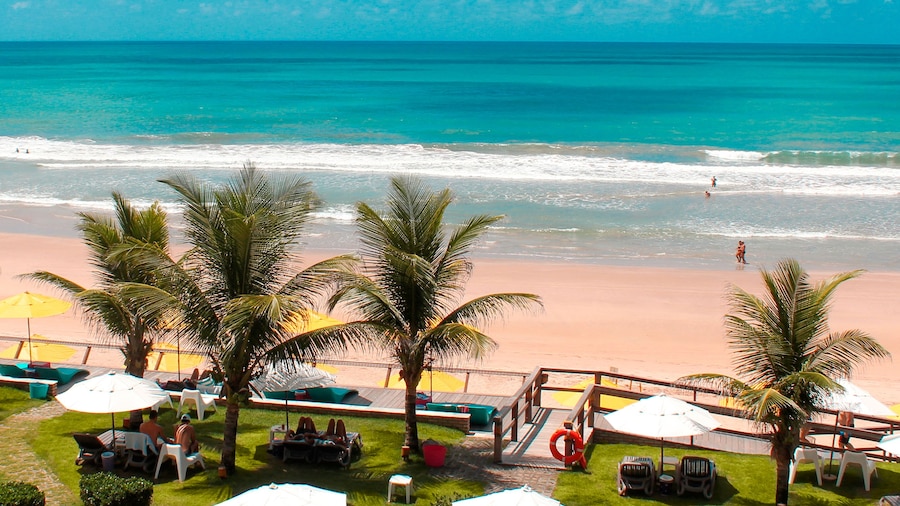
Kembali Hotel Porto de Galinhas - Adults Only
Porto de Galinhas
Save 100% on your flight
Price was $1,672, price is now $1,100 per person
$1,100
per person
Nov 1 - Nov 7
found 1 day ago
Roundtrip non-stop flight included
Montevideo (MVD) to Recife (REC)
This hotel features a restaurant, an outdoor pool, and a bar/lounge. Enjoy beachfront dining and relax with sun loungers and beach umbrellas. Enjoy the gym and free perks like buffet breakfast and free self parking.
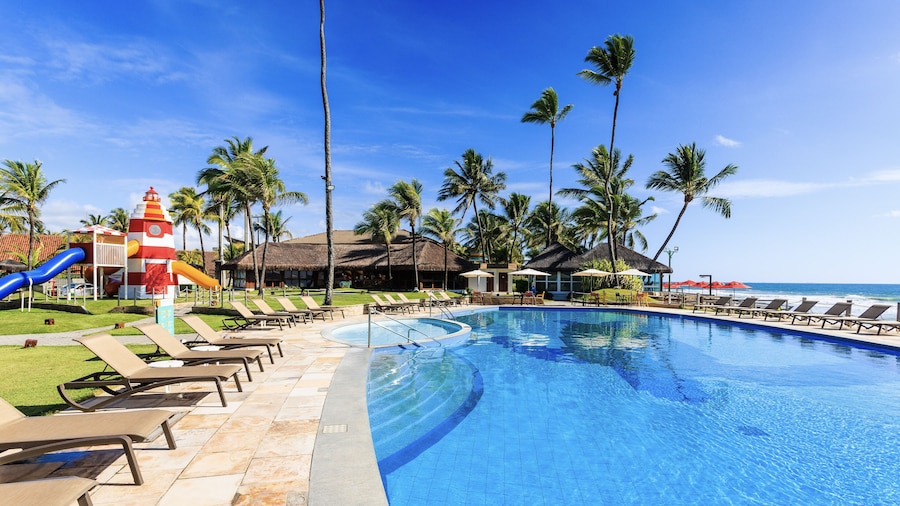
Armação Resort Porto de Galinhas
Porto de Galinhas
Save 100% on your flight
Price was $1,882, price is now $1,258 per person
$1,258
per person
Nov 1 - Nov 7
found 1 day ago
Roundtrip non-stop flight included
Montevideo (MVD) to Recife (REC)
A full-service spa, 2 restaurants, and 3 outdoor pools are all featured at this smoke-free hotel. Relax with sun loungers and beach umbrellas, and cool off with a drink at the beachside bar. Bring the family and enjoy the free kid's club, children's pool, and kid-friendly dining.

Casa Luxo 5Qts 2Suítes Tamandaré SH132D
Save 100% on your flight
Price was $2,117, price is now $1,551 per person
$1,551
per person
Nov 1 - Nov 7
found 1 day ago
Roundtrip non-stop flight included
Montevideo (MVD) to Recife (REC)
An outdoor pool, free self parking, and laundry facilities are featured at this vacation home. A garden, barbecue grills, and a virtual front desk are also on offer.

Bangalô Luxo-Piscina-Eco Resort-SH134
Price was $2,374, price is now $1,889 per person
$1,889
per person
Nov 1 - Nov 7
found 1 day ago
Roundtrip non-stop flight included
Montevideo (MVD) to Recife (REC)
This vacation home features an outdoor pool and a gym. Free self parking, a terrace, and a garden are also offered.
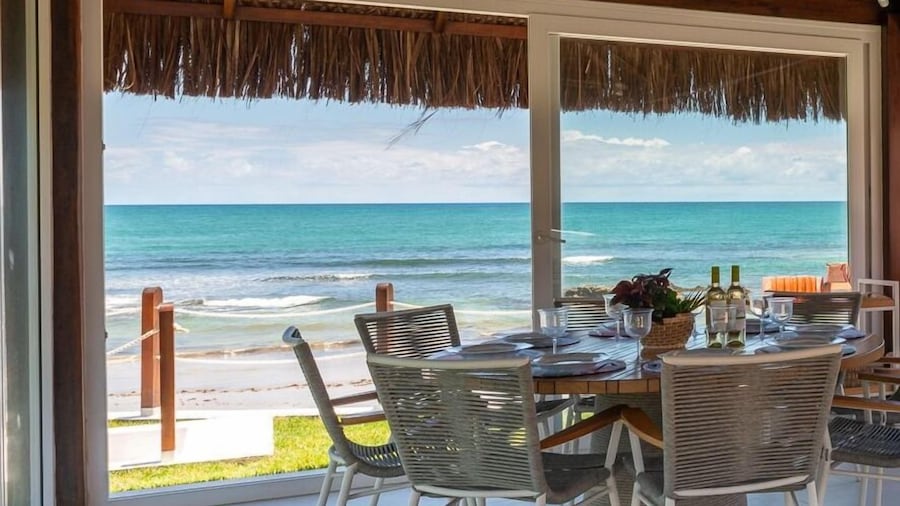
Casa 4QT BeiraMar Piscina&Cozinheira 038
Price was $1,901, price is now $1,549 per person
$1,549
per person
Nov 1 - Nov 7
found 1 day ago
Roundtrip non-stop flight included
Montevideo (MVD) to Recife (REC)
An outdoor pool is featured at this vacation home, along with barbecue grills. Take advantage of the free self parking.
Top Ilha de Itamaraca hotels deals
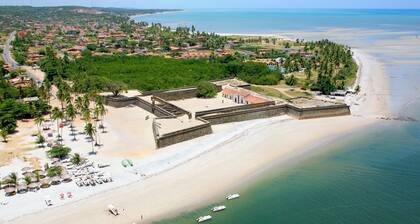
Orange Praia Hotel
Av.do Forte Orange, s/n Ilha de Itamaraca PE
Free Cancellation
Reserve now, pay when you stay
$93 nightly
The price is $98 total per night
$98 total
Sep 20 - Sep 21
Total with taxes and fees
2 outdoor pools, an outdoor tennis court, and a 24-hour gym are all featured at this hotel. There's fun for all ages with a children's pool and a playground, and families will appreciate the onsite laundry facilities. Relax with a drink at one of the 2 bars/lounges and enjoy free perks like buffet breakfast and free self parking.
Pool
Breakfast included

Manga Verde Beach 04: Pool and Beach view H
itamaraca Pernambuco
$88 nightly
The price is $88 total per night
$88 total
Oct 1 - Oct 2
Total with taxes and fees
This apartment features limo/town car service, a garden, and laundry facilities. Barbecue grills are provided for your convenience.
Pool
Kitchen

HOUSE IN PRIA DO PONTAL, (ITAMARACA'),. INSTALLMENTS UP TO 12 TIMES
Ilha de Itamaracá PE
This vacation home features an indoor pool and a hot tub. A garden and barbecue grills are also provided.
Pool
Hot Tub

Excellent beachfront house with pool, swim-up bar, and mini soccer field.
Pilar PE
This vacation home features an indoor pool and a hot tub. Families will appreciate the arcade/game room and barbecue grills. A terrace, a garden, and laundry facilities are also on offer.
Pool
Hot Tub
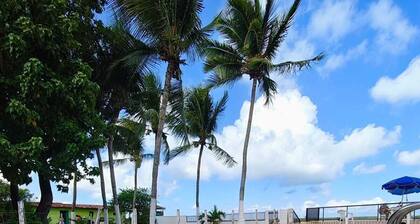
para até 8 pessoas apartment in wonderful Ilha de Itamaracá PE with AC, WiFi
Ilha de Itamaracá PE
$78 nightly
The price is $80 total per night
$80 total
Sep 20 - Sep 21
Total with taxes and fees
Stay at this chalet in Ilha de Itamaraca. Enjoy balconies and air conditioning. Popular attractions Pontal do Jaguaribe Beach and Pontal da Ilha Beach are located nearby.
Pool
Kitchen

Don't see what you're looking for?
See all available properties in Ilha de Itamaraca
View all propertiesLowest nightly price found within the past 24 hours based on a 1 night stay for 2 adults. Prices and availability subject to change. Additional terms may apply.
Stay near popular Ilha de Itamaraca attractions
Frequently asked questions
Photos of local treasures
Browse Ilha de Itamaraca vacation photos for more inspiration


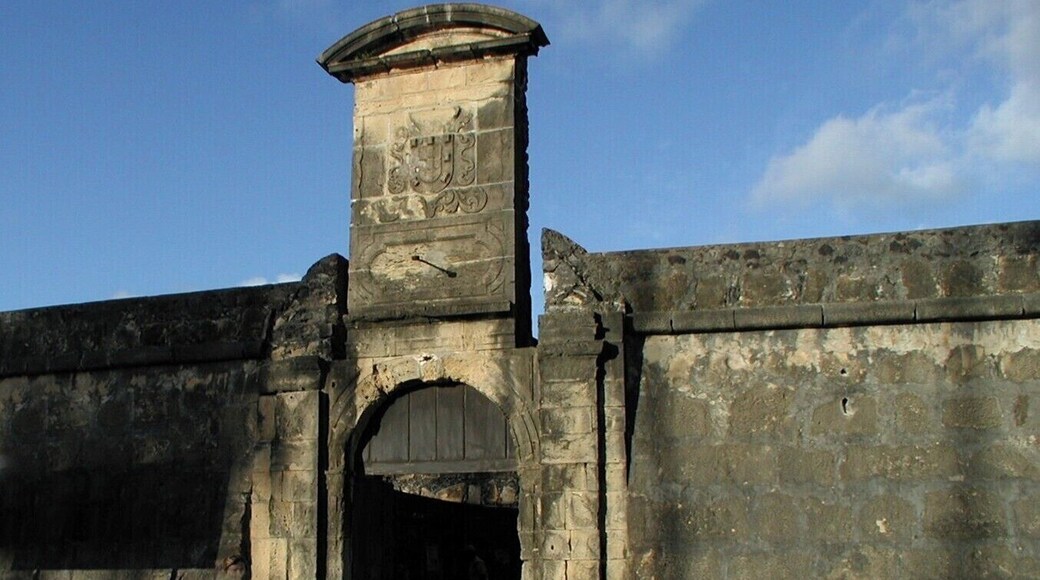
Book a vacation to Ilha de Itamaraca
Explore More Ways to Travel with Travelocity
- Hotels in Vitoria de Santo Antao
- Hotels near Universidade Federal de Pernambuco
- Hotels near Suape Port
- Santo Amaro Hotels
- Hotels in Recife
- Wedding in Recife
- Vila Galé Cabo All Inclusive
- Summerville All Inclusive Resort
- Spa in Recife
- Pousada Braseiro
- Ocean View in Recife
- NANNAI Muro Alto
- Golf in Recife
- LGBT Friendly in Recife
- Family Friendly in Recife
- Dorisol Recife Grand Hotel
- Boutique in Recife
- All-Inclusive in Recife
- Adults Only in Recife
- Aparthotels in Recife
- Luxury Hotels in Recife Antigo
- Porto de Galinhas Hotels
- All-Inclusive Hotels in Porto de Galinhas
- Cabins in Pernambuco
- Mustardinha Hotels
- Hotels near Muro Alto Beach
- Aparthotels in Moreno
- Imbiribeira Hotels
- Hotels near Recife
- Villas in Grande Recife
- Resorts in Grande Recife
- Hostels in Grande Recife
- Engenho do Meio Hotels
- Wedding in Pernambuco
- Tennis in Pernambuco
- Historical in Pernambuco
- All-Inclusive in Pernambuco
- Hotels in Cabo de Santo Agostinho
- Boa Vista Hotels
- Luxury Hotels in Boa Viagem
- Balcony Hotels in Boa Viagem
- All-Inclusive Hotels in Boa Viagem
- Barra de Jangada Hotels
- Flights from Morrisville (RDU) to Recife (REC)
- Flights from Portland (PDX) to Recife (REC)
- Flights from Paray-Vieille-Poste (ORY) to Recife (REC)
- Flights from Paso de Carrasco (MVD) to Recife (REC)
- Flights from Miami (MIA) to Recife (REC)
- Flights from Orlando (MCO) to Recife (REC)
- Flights from Manaus (MAO) to Recife (REC)
- Flights from Los Angeles (LAX) to Recife (REC)
- Flights from Houston (IAH) to Recife (REC)
- Flights from Guarulhos (GRU) to Recife (REC)
- Flights from Fort Lauderdale (FLL) to Recife (REC)
- Flights from Dallas (DFW) to Recife (REC)
- Flights from Arlington (DCA) to Recife (REC)
- Flights from Sao Jose dos Pinhais (CWB) to Recife (REC)
- Flights from Columbus (CMH) to Recife (REC)
- Flights from Baltimore (BWI) to Recife (REC)
- Flights from Lago Sul (BSB) to Recife (REC)
- Flights from Atlanta (ATL) to Recife (REC)
- United Airlines Newark (EWR) to Recife (REC) flights
- LAN Airlines Goiânia (GYN) to Recife (REC) flights
- TAM Brazilian Airlines Minneapolis (MSP) to Recife (REC) flights
- LAN Airlines Miami (MIA) to Recife (REC) flights
- LAN Airlines Guarulhos (GRU) to Recife (REC) flights
- LAN Airlines Lago Sul (BSB) to Recife (REC) flights
- JetBlue Airways Boston (BOS) to Recife (REC) flights
- Sky Express Miami (MIA) to Recife (REC) flights
- Sky Express Fernando de Noronha (FEN) to Recife (REC) flights
- Delta Air Lines San Diego County (SAN) to Recife (REC) flights
- Delta Air Lines Atlanta (ATL) to Recife (REC) flights
- Copa Airlines Panama City (PTY) to Recife (REC) flights
- Copa Airlines Tampa (TPA) to Recife (REC) flights
- Copa Airlines San Francisco (SFO) to Recife (REC) flights
- Copa Airlines Jamaica (JFK) to Recife (REC) flights
- Azul Chantilly (IAD) to Recife (REC) flights
- Azul Confins (CNF) to Recife (REC) flights
- Azul Orlando (MCO) to Recife (REC) flights
- Azul Santo Domingo (SDQ) to Recife (REC) flights
- Azul Guarulhos (GRU) to Recife (REC) flights
- Azul Fort Lauderdale (FLL) to Recife (REC) flights
- Azul Austin (AUS) to Recife (REC) flights
- American Airlines Miami (MIA) to Recife (REC) flights
- American Airlines Boston (BOS) to Recife (REC) flights
- American Airlines Dallas (DFW) to Recife (REC) flights
- Air Canada Dorval (YUL) to Recife (REC) flights
- Air Canada Mississauga (YYZ) to Recife (REC) flights
- Flights to Recife
- Flights to Ipojuca