Deals on vacations and trips to Horbling

Save when you book Horbling package deals

Choose two or more items and save on your trip:

Top Horbling hotels deals

Don't see what you're looking for?
See all available properties in Horbling
View all properties
Lowest nightly price found within the past 24 hours based on a 1 night stay for 2 adults. Prices and availability subject to change. Additional terms may apply.

Popular places to visit

Frequently asked questions

How much are vacation packages to Horbling?
Your travel fantasies can become a reality in Horbling for only . Packages include flights and hotels, so booking your trip will be a breeze. The only thing you'll have to worry about is what amazing attraction you'll head to first.
Where can I get the best vacation package deals for Horbling?
Picking up the best package deal to Horbling couldn't be easier with Travelocity. With around 400 partner airlines and 1,000,000 properties worldwide, the choice is yours when picking your hotels and flights.
Why should I purchase my Horbling vacation package with Travelocity?
Travel should be about making cherished memories and forgetting all your worries — which is why we provide you with a professional team of customer service experts available round-the-clock should you need them. On top of that, our Price Match Guarantee ensures you'll always get the best price available on our broad range of vacation destinations. So what are you waiting for? There's no time like the present to lock in the vacation you've always dreamed of.
Will I save money on my Horbling car rental if I book it with a hotel or flight?
With a Horbling vacation package, you can combine your hotel, car and flight bookings and save some serious money. If you're in the mood to see the best of this fabulous location, why not check out Big Ben? This famous sight is 95 mi from Horbling. With your own wheels, you'll be there in a flash.
Which airport is best for Horbling?
It's highly likely you'll be arriving at East Midlands Airport (EMA), situated 40 mi west of downtown Horbling. Humberside Airport (HUY) (45 mi away from central Horbling) and Coventry Airport (CVT) (60 mi away from central Horbling) are your other choices.
Where should I stay when visiting Horbling?
Many people choose to stay at the 8 bedroom accommodation in Horbling, near Sleaford. It's sure to be a great base for your Horbling escape.

Photos of local treasures

Browse Horbling vacation photos for more inspiration
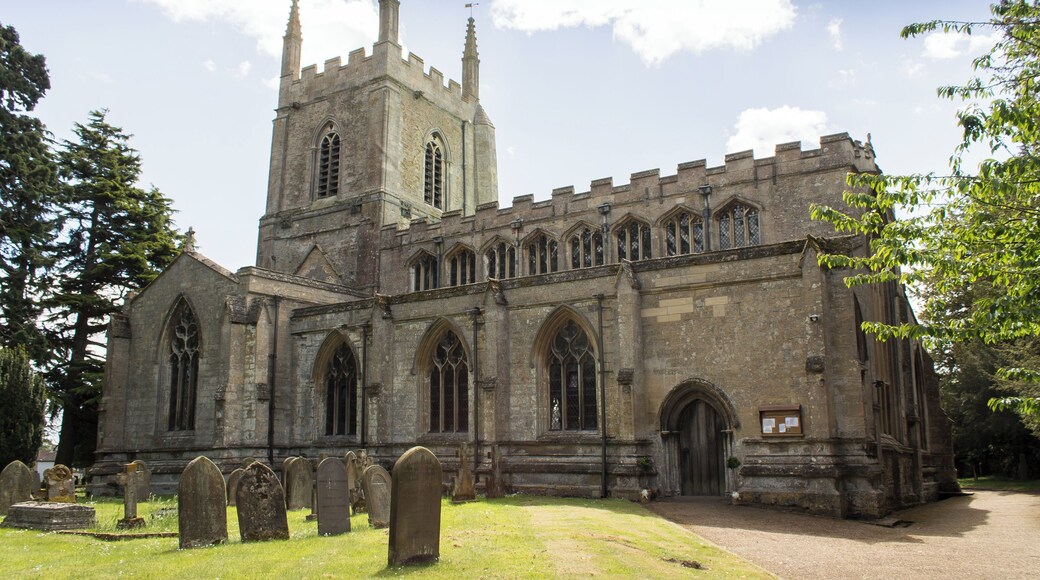
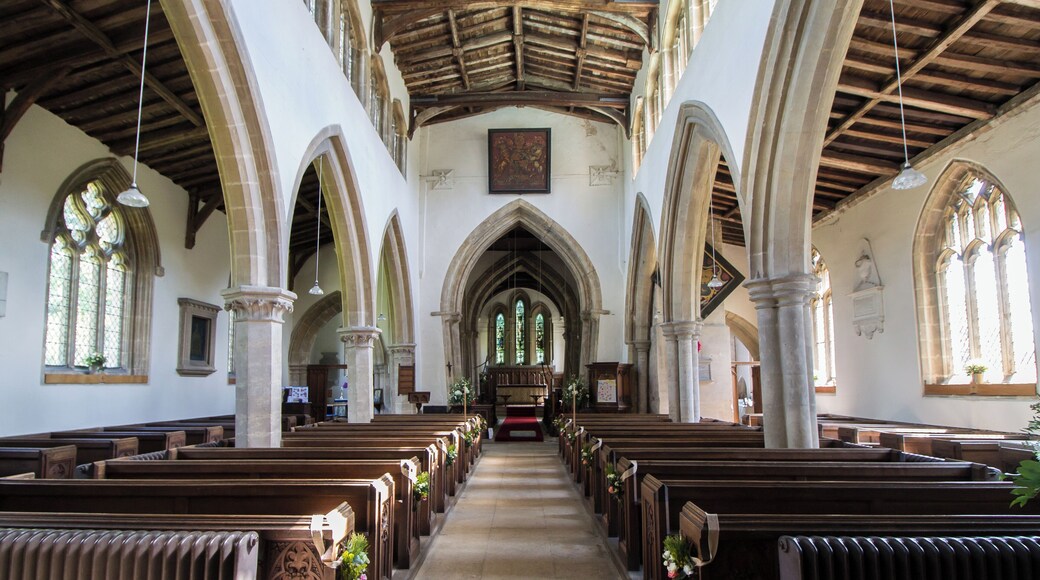
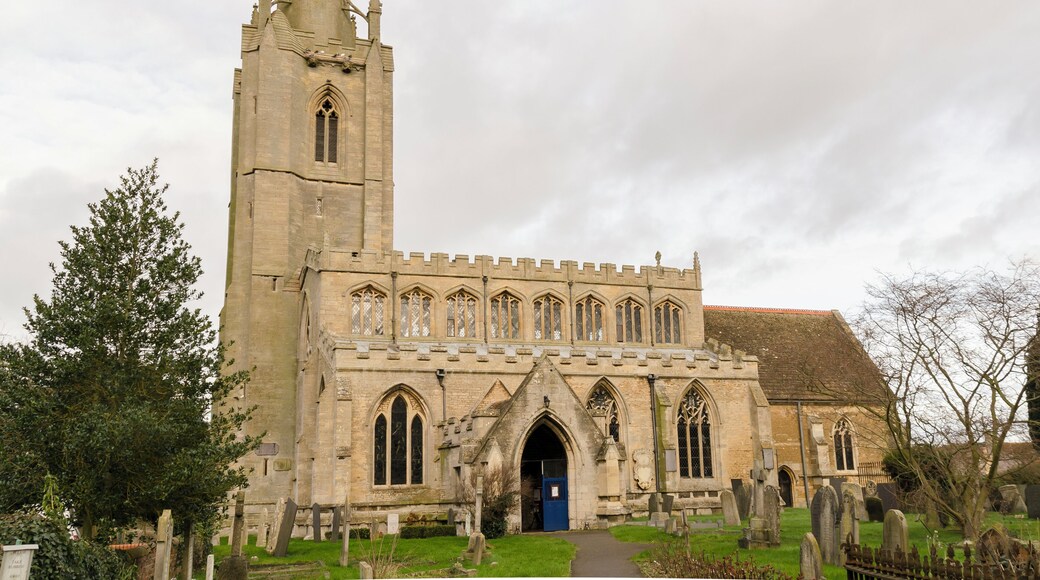
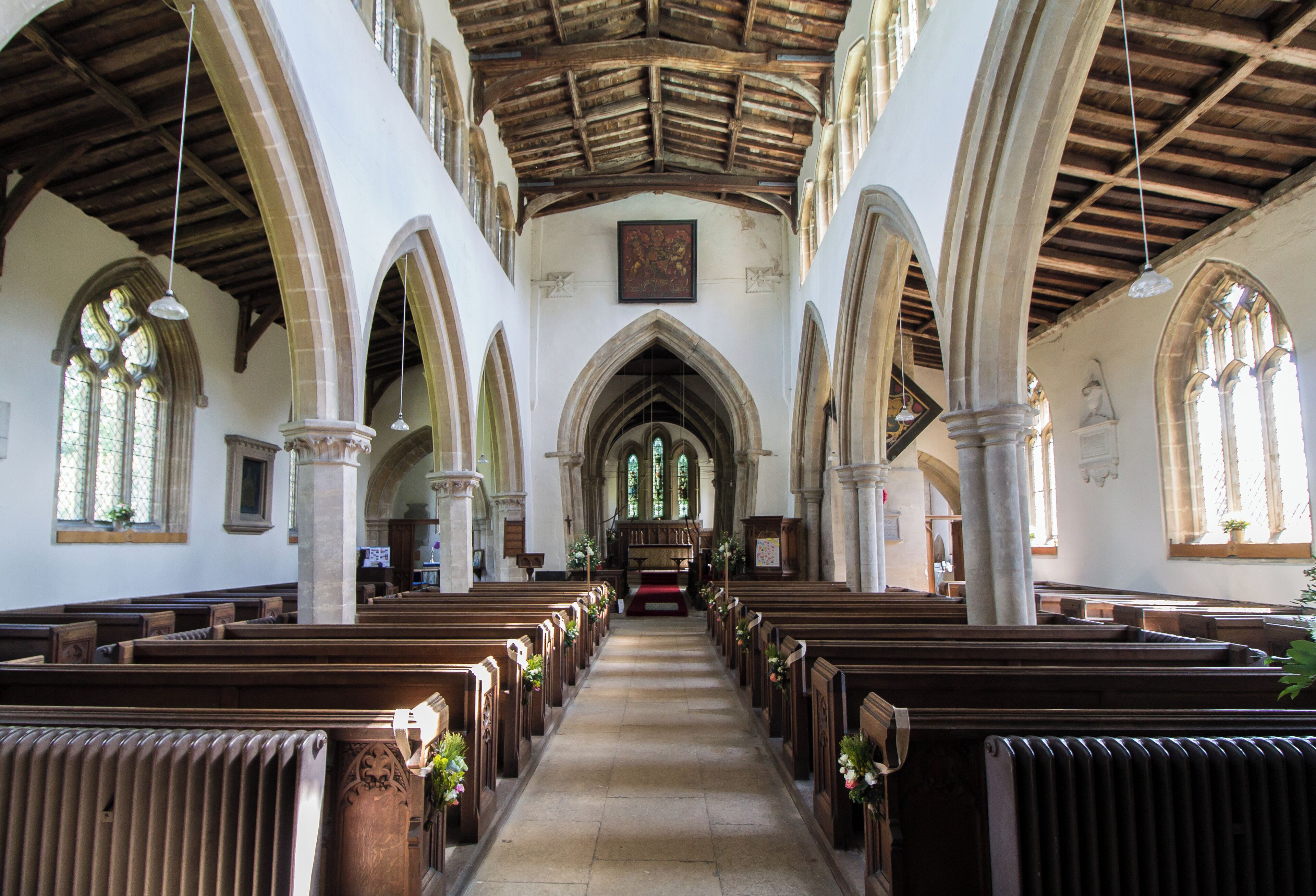
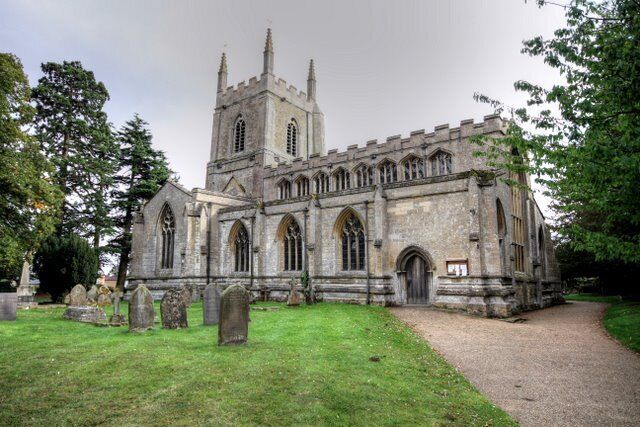
Grade I listed. The church dates from the late 12th century onwards, although a church was mentioned in the Domesday book. Originally there was a cruciform Norman church, parts of which still remain. The church could have been an ex Anglo-Saxon Minster or new Collegiate foundation. There is a nave with north and south aisles, north and south transepts with crossing tower, chancel and south porch. The west front dates from circa 1170 and was remodelled in the 15th century. The nave was constructed in the first half of the 13th century, the north and south arcades are asymmetrical. There is a set of eight windows in the late 15th century clerestory. There are four-bay arcades, the north on hexagonal piers the south has one round and two quatrefoil piers. The chancel dates from the 12th century, and unusually has a sedilia with a single round arch. The crossing tower was remodelled around 1330, and the tower has battlements and pinnacles and several gargoyles. The arches of the crossing are leaning out of line, and an attempt was made in the 14th century to repair them. This can easily been seen when looking at the nave towards the chancel. The north transept has a 15th century tomb recess with the arms of Sir Thomas La Launde, died 1470. This may also be part of an Easter Sepulchre. The church has several monuments with brass plate designed by Pugin. The octagonal font is from the 15th century and has instruments of the passion on each face. There is a two manual organ by Binns, which was removed from Bailgate Methodist Church, Lincoln. Pic by Jenny
Grade I listed. The church dates from the late 12th century onwards, although a church was mentioned in the Domesday book. Originally there was a cruciform Norman church, parts of which still remain. The church could have been an ex Anglo-Saxon Minster or new Collegiate foundation. There is a nave with north and south aisles, north and south transepts with crossing tower, chancel and south porch. The west front dates from circa 1170 and was remodelled in the 15th century. The nave was constructed in the first half of the 13th century, the north and south arcades are asymmetrical. There is a set of eight windows in the late 15th century clerestory. There are four-bay arcades, the north on hexagonal piers the south has one round and two quatrefoil piers. The chancel dates from the 12th century, and unusually has a sedilia with a single round arch. The crossing tower was remodelled around 1330, and the tower has battlements and pinnacles and several gargoyles. The arches of the crossing are leaning out of line, and an attempt was made in the 14th century to repair them. This can easily been seen when looking at the nave towards the chancel. The north transept has a 15th century tomb recess with the arms of Sir Thomas La Launde, died 1470. This may also be part of an Easter Sepulchre. The church has several monuments with brass plate designed by Pugin. The octagonal font is from the 15th century and has instruments of the passion on each face. There is a two manual organ by Binns, which was removed from Bailgate Methodist Church, Lincoln. (Pic by Jenny)
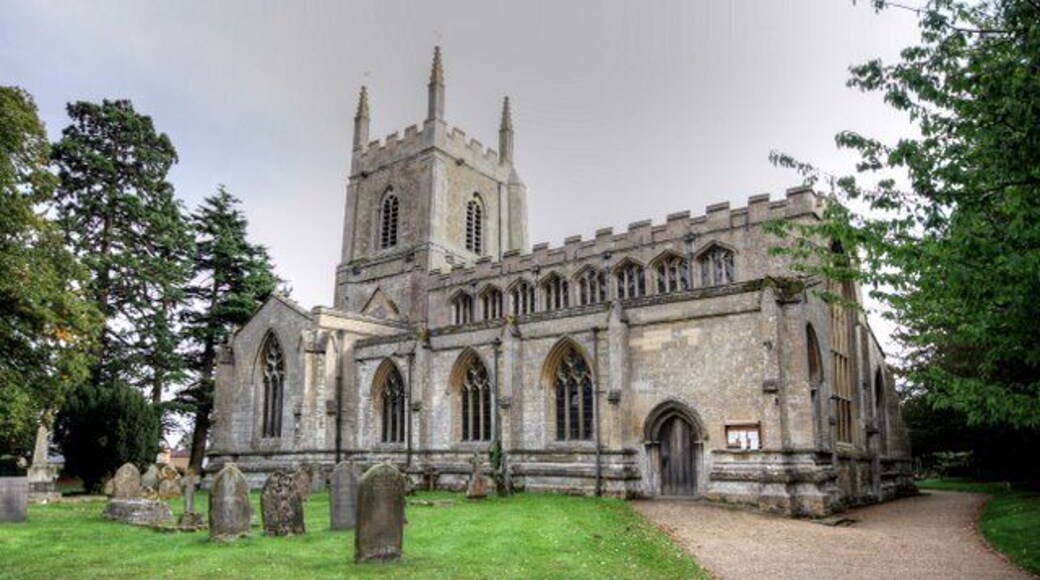
There was a church at Billingborough in the 11th century, as noted in the Domesday book. The present church dates from the early 14th century onwards and was restored in the 19th century. It consists of a north west tower with spire, nave with north and south aisles, south porch, and chancel with a small organ chamber. The tower is of four stages, 150 foot high. The top of the tower is battlemented with a recessed octagonal spire with three tiers of lucarnes. Five bells were installed in 1717, and they were rehung in 1846. The nave has an embattled parapet and closely spaced three light clerestory windows from the 15th century. The porch dates from around 1312 and the door has 14th century ironwork. The nave arcades are 14th century and are of three bays to the north, and 4 to the south. The south aisle has a piscina at the east end. There is a 15th century octagonal font on a pedestal. The nave was reroofed in 1870 at a cost of £780, and various improvements were made in 1887. In 1891 the 14th century chancel was rebuilt and a year later the east window was installed to the late Duke of Clarence. A reredos was added in 1894. The west window dates from 1912, and in 1929 the organ was restored at a cost of £200. Small amounts of mediaeval glass are retained in the tracery of several windows, the south west window is by John Hayward from 1980. The organ is originally by Brown and Son of London. The west end of the church is often used as a coffee area.