Deals on vacations and trips to Caistor
Save when you book Caistor package deals

Caistor flight + hotel vacation packages
Price found within the past 48 hours. Click for updated prices.
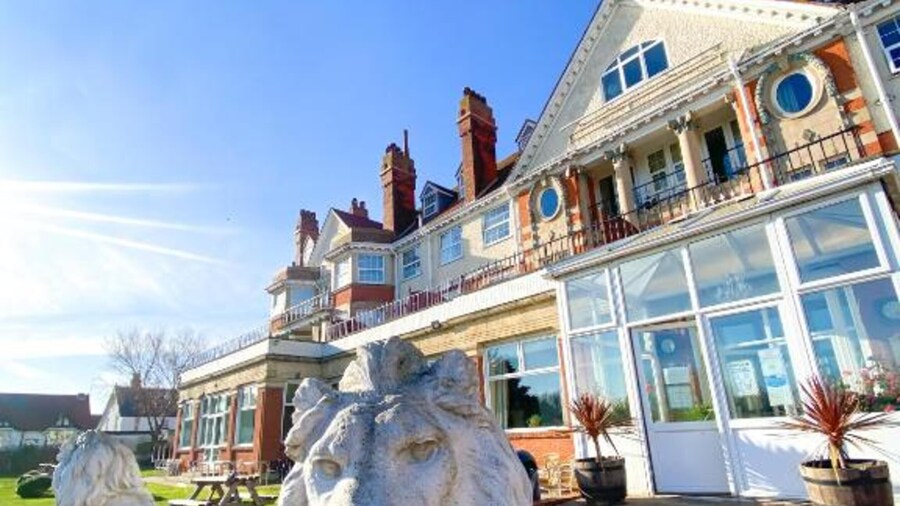
Skegness The Royal Hotel
Price was $1,563, price is now $1,440 per person
$1,440
per person
Nov 18 - Nov 24
found 16 hours ago
Roundtrip flight included
Atlanta (ATL) to East Midlands (EMA)
A restaurant and a bar/lounge are featured at this hotel. Business travelers can take advantage of the free WiFi in public areas. Guests will appreciate freebies like English breakfast and free self parking.
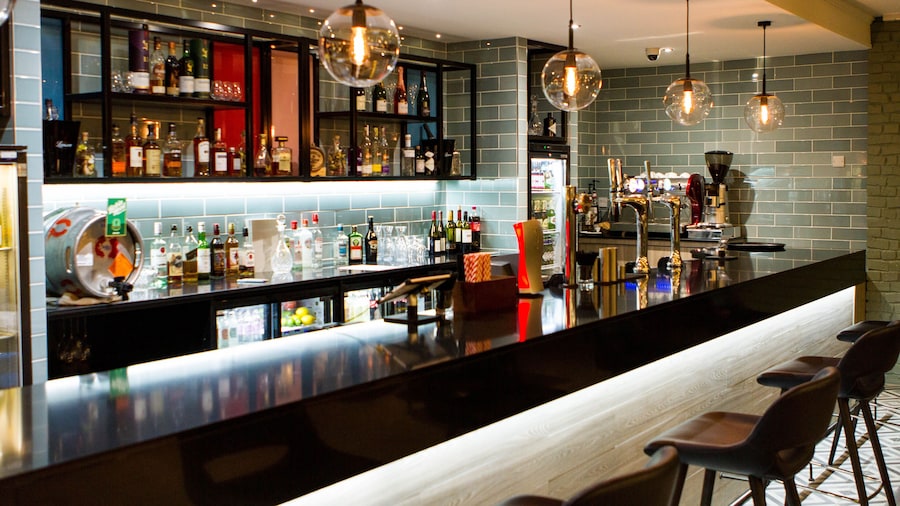
Mercure Nottingham Sherwood Hotel
Price was $1,735, price is now $1,615 per person
$1,615
per person
Nov 18 - Nov 24
found 16 hours ago
Roundtrip flight included
Atlanta (ATL) to East Midlands (EMA)
A full-service spa, a gym, and a restaurant are all featured at this traditional hotel. Traveling on business? Take advantage of the business center and free WiFi in public areas. You'll appreciate the steam room, bar/lounge, and wedding services.

The Gresham Aparthotel
Leicester City Centre
Price was $1,864, price is now $1,746 per person
$1,746
per person
Nov 18 - Nov 24
found 16 hours ago
Roundtrip flight included
Atlanta (ATL) to East Midlands (EMA)
A gym is featured at this aparthotel, along with free WiFi in public areas and dry cleaning. A safe deposit box is provided and the front desk is staffed around-the-clock.
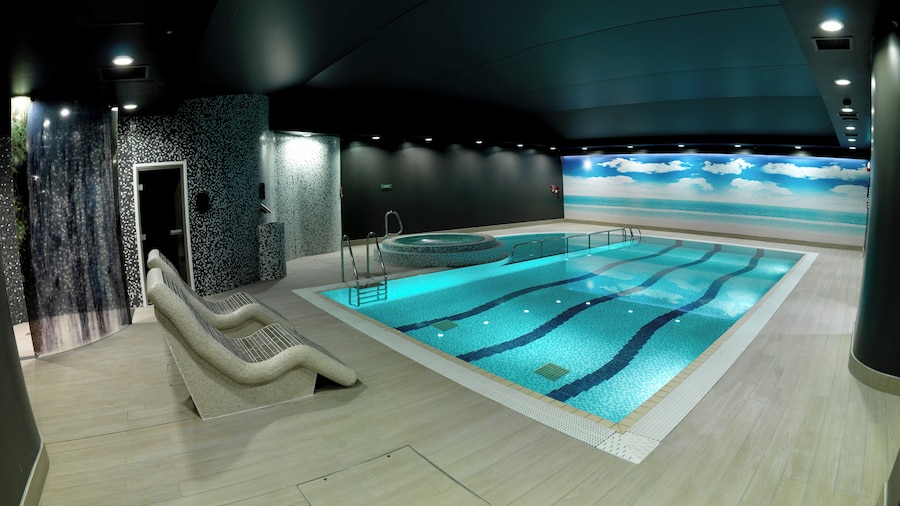
Crowne Plaza Nottingham by IHG
Nottingham City Centre
Price was $1,939, price is now $1,820 per person
$1,820
per person
Nov 18 - Nov 24
found 16 hours ago
Roundtrip flight included
Atlanta (ATL) to East Midlands (EMA)
A full-service spa, 2 restaurants, and an indoor pool are all featured at this smoke-free hotel. Traveling on business? Take advantage of the business center and free WiFi in public areas. You'll appreciate the gym, bar/lounge, and laundry facilities.
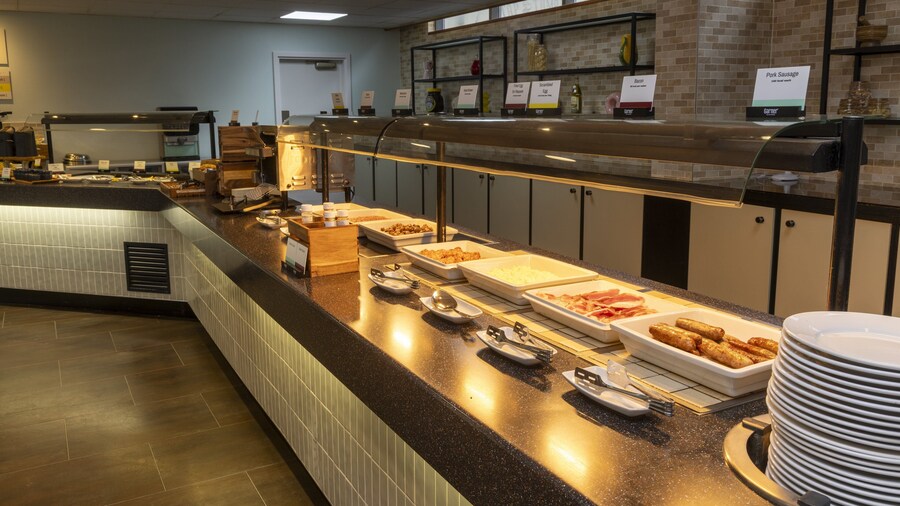
Garner Hotel Nottingham City Centre by IHG
Nottingham City Centre
Price was $1,724, price is now $1,619 per person
$1,619
per person
Nov 18 - Nov 24
found 16 hours ago
Roundtrip flight included
Atlanta (ATL) to East Midlands (EMA)
A restaurant and a bar/lounge are featured at this hotel. Traveling on business? Take advantage of the 13 conference rooms, free WiFi in public areas, and express check-out. Self parking, a snack bar/deli, and dry cleaning are also offered.
Top Caistor hotels deals
Humber Royal Hotel
Littlecoates Road Grimsby England
Free Cancellation
Reserve now, pay when you stay
$74 nightly
The price is $89 total per night
$89 total
Oct 30 - Oct 31
Total with taxes and fees
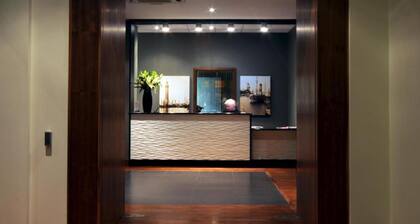
A restaurant and a bar/lounge are featured at this hotel. WiFi in public areas is free. A terrace, a garden, and dry cleaning are also on offer.
Free WiFi
Restaurant

House - Sleeps 2, pet Friendly & Free Parking
Salisbury Street Hull England
This cottage doesn't skimp on freebies - guests receive free WiFi and free self parking. A garden is also provided.
Kitchen
Pet friendly

Corus St James Hotel Grimsby
St James Square Grimsby England
Free Cancellation
Reserve now, pay when you stay
$52 nightly
The price is $62 total per night
$62 total
Oct 25 - Oct 26
Total with taxes and fees
A restaurant and a bar/lounge are featured at this hotel. Traveling for business? Take advantage of the free WiFi in public areas, laundry service, and conference space. Self parking, a coffee shop, and luggage storage are also offered.
Pet friendly
Free WiFi
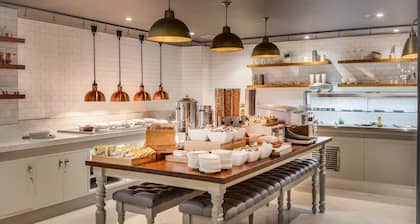
Forest Pines Spa & Golf Resort
Ermine Street Brigg England
Free Cancellation
Reserve now, pay when you stay
$108 nightly
The price is $129 total per night
$129 total
Oct 30 - Oct 31
Total with taxes and fees
This hotel features a golf course, a full-service spa, and a restaurant. Traveling on business? Take advantage of the business center and free WiFi in public areas. Relax with a drink at one of the 2 bars/lounges and enjoy perks like free self parking.
Pool
Hot Tub
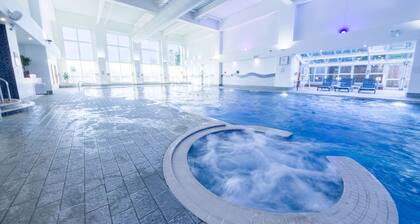
Village Hotel Hull
Henry Boot Way, Priory Park Hull England
Free Cancellation
Reserve now, pay when you stay
$60 nightly
The price is $72 total per night
$72 total
Nov 6 - Nov 7
Total with taxes and fees
This hotel features a restaurant, an indoor pool, and a bar/lounge. Enjoy the gym and perks like free WiFi. There's a hot tub on site, and a 24-hour front desk and a coffee shop are also provided.
Pool
Hot Tub

Holiday Inn Express Hull City Centre by IHG
80 Ferensway Hull England
Free Cancellation
$56 nightly
The price is $67 total per night
$67 total
Nov 1 - Nov 2
Total with taxes and fees
This hotel features a rooftop terrace and a bar/lounge. Traveling on business? Take advantage of the 24-hour business center and free WiFi in public areas. Enjoy the free buffet breakfast each morning.
Breakfast included
Pet friendly
Lowest nightly price found within the past 24 hours based on a 1 night stay for 2 adults. Prices and availability subject to change. Additional terms may apply.
Stay near popular Caistor attractions
Frequently asked questions
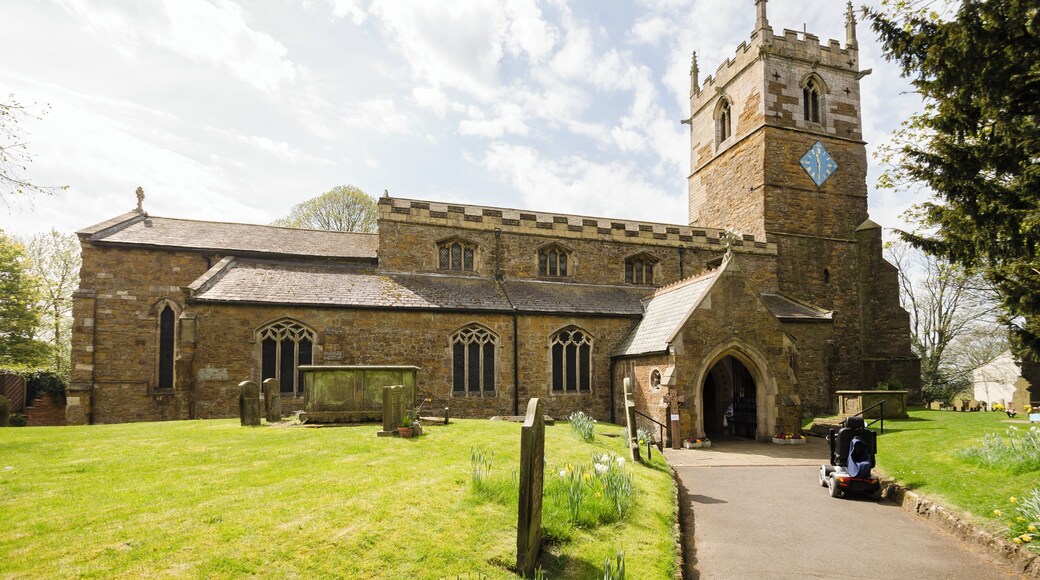
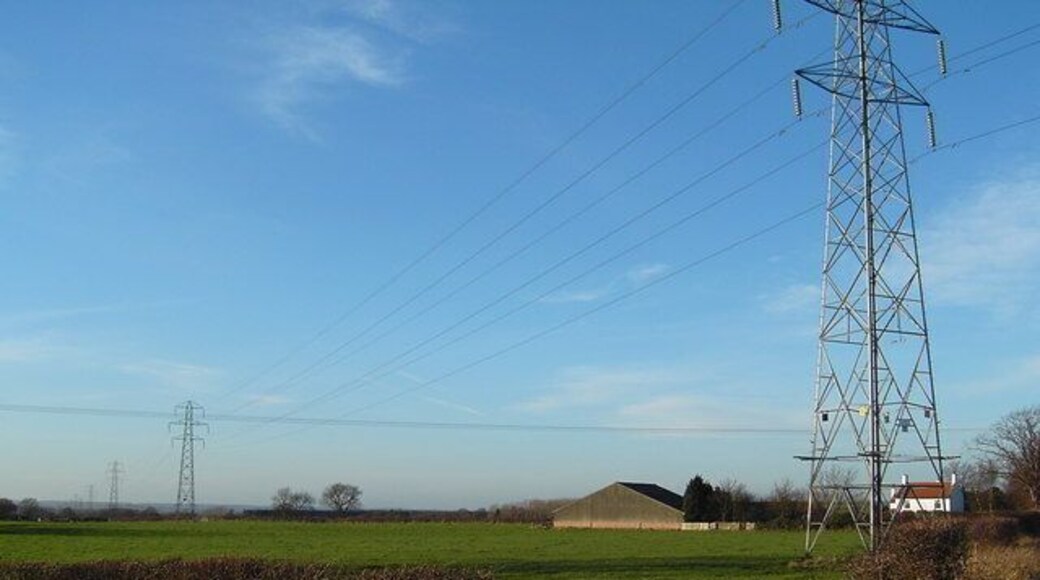
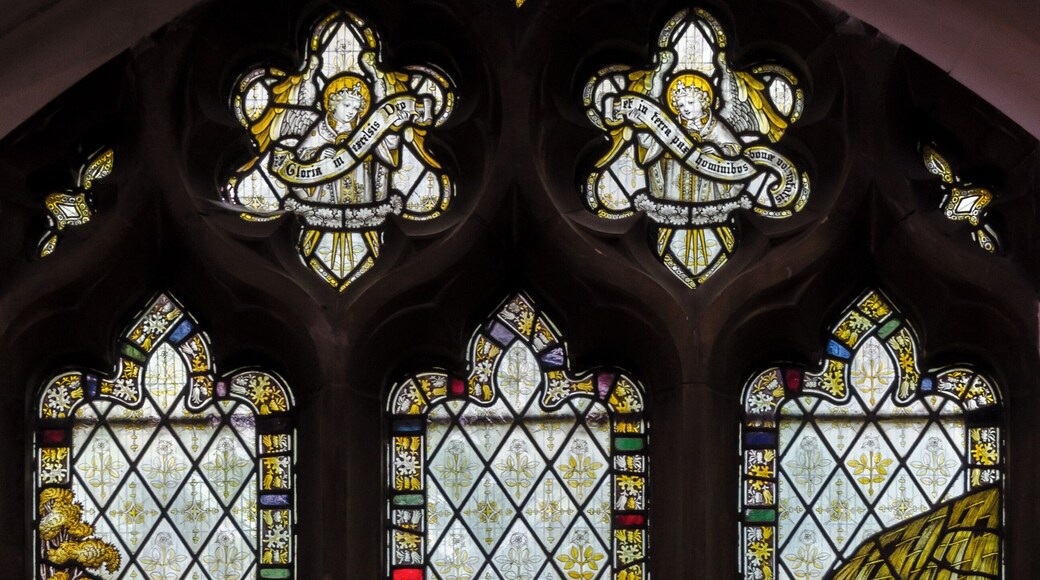
Photos of local treasures
Browse Caistor vacation photos for more inspiration