Deals on vacations and trips to Nikiski
Save when you book Nikiski package deals

Nikiski flight + hotel vacation packages
Price found within the past 48 hours. Click for updated prices.
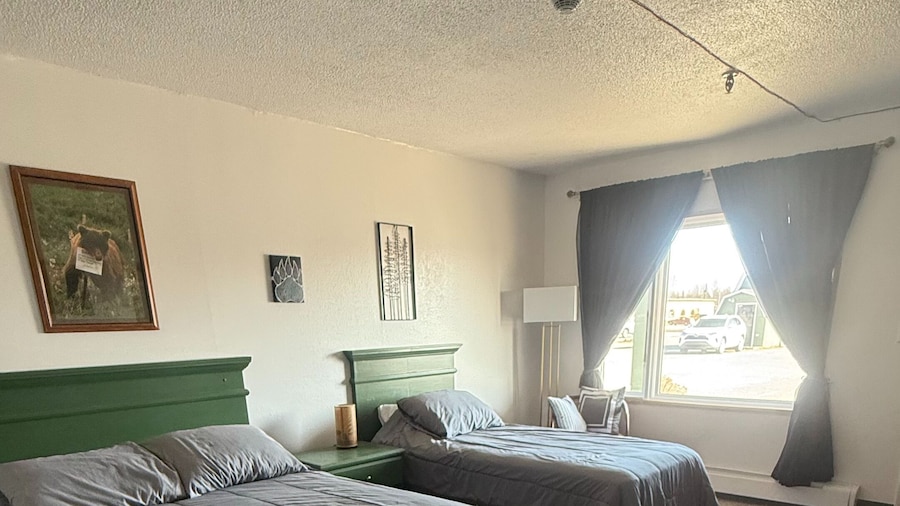
The Kenai Inn
Price was $677, price is now $652 per person
$652
per person
Dec 11 - Dec 13
found 10 hours ago
Roundtrip non-stop flight included
Chicago (ORD) to Kenai (ENA)
This hotel doesn't skimp on freebies - guests receive free WiFi and free self parking. Express check-out and a virtual front desk are also provided.

Hotel Seward
Price was $974, price is now $945 per person
$945
per person
Nov 20 - Nov 24
found 20 hours ago
Roundtrip non-stop flight included
Tampa (TPA) to Kenai (ENA)
A restaurant and a bar/lounge are featured at this hotel. Guests will appreciate free perks like free self parking and WiFi in public areas. Luggage storage, laundry facilities, and concierge services are also on offer.
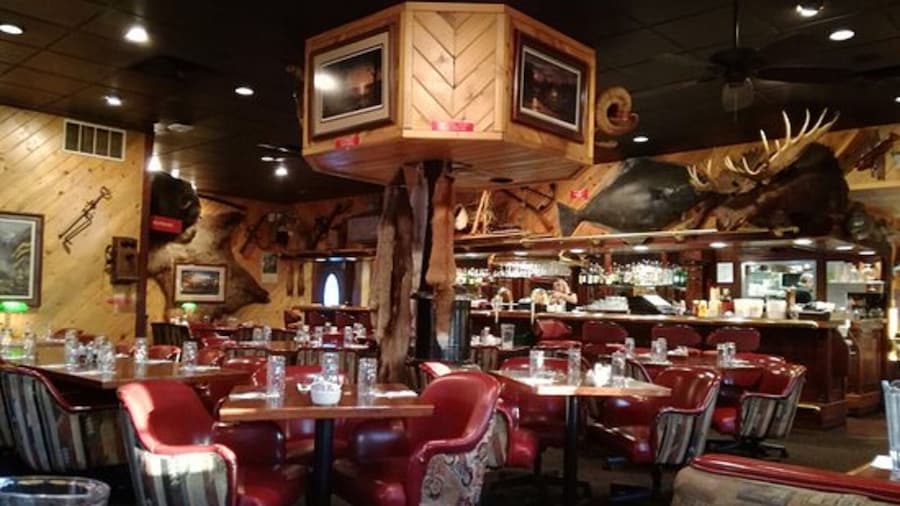
Uptown Motel Kenai
Price was $675, price is now $655 per person
$655
per person
Dec 11 - Dec 13
found 10 hours ago
Roundtrip non-stop flight included
Chicago (ORD) to Kenai (ENA)
A restaurant and a bar/lounge are featured at this motel. Guests will appreciate free perks like free self parking and WiFi in public areas. Dry cleaning, laundry facilities, and free newspapers are also on offer.
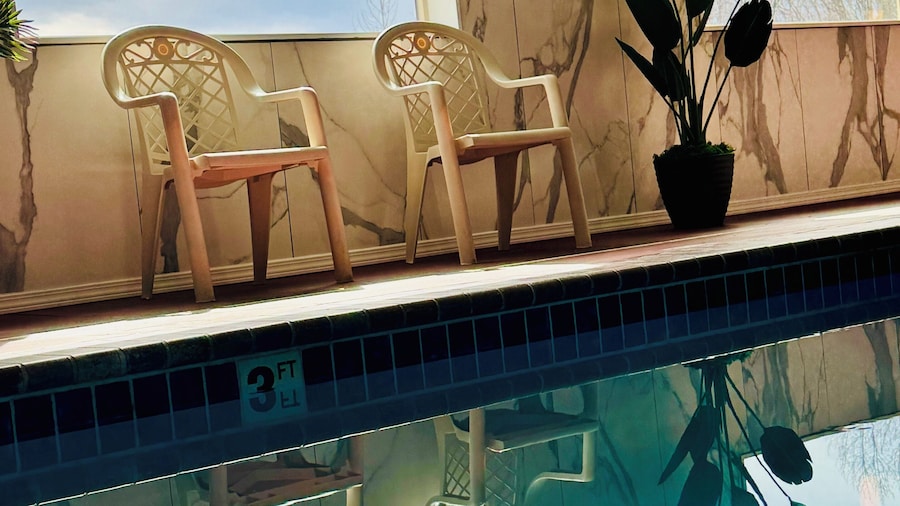
Aspen Hotel Soldotna
Price was $728, price is now $708 per person
$708
per person
Dec 11 - Dec 13
found 10 hours ago
Roundtrip non-stop flight included
Chicago (ORD) to Kenai (ENA)
This hotel features an indoor pool and a gym. Business travelers can take advantage of the free WiFi in public areas. Enjoy the hot tub and perks like free self parking.

Aspen Extended Stay Suites Kenai
Price was $721, price is now $703 per person
$703
per person
Dec 11 - Dec 13
found 10 hours ago
Roundtrip non-stop flight included
Chicago (ORD) to Kenai (ENA)
This hotel doesn't skimp on freebies - guests receive free WiFi and free self parking. Traveling for business? Take advantage of the business center, express check-out, and conference space. Free parking, a picnic area, and dry cleaning are also offered.
Top Nikiski hotels deals
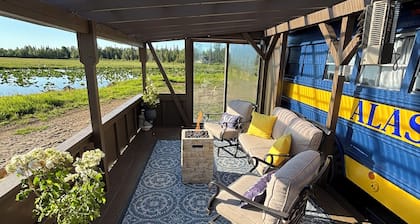
Unique Schoolie on a float plane lake in North Kenai.
Kenai AK
A gym is featured at this cabin, along with barbecue grills.
Kitchen
Pet friendly
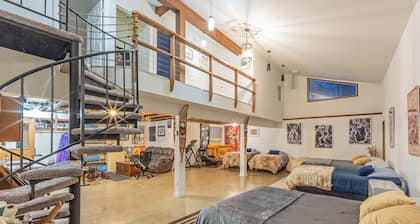
Evenson Heritage Lodge
Kenai AK
This vacation home features a gym and a hot tub. There's fun for all ages with a playground and an arcade/game room, and families will appreciate the onsite laundry facilities. A garden and barbecue grills are also provided.
Hot Tub
Kitchen

Kenai River Lodge
393 Riverside Drive Soldotna AK
Free Cancellation
Reserve now, pay when you stay
$130 nightly
The price is $143 total per night
$143 total
Oct 11 - Oct 12
Total with taxes and fees
A bar/lounge and a picnic area are featured at this lodge, along with free self parking. WiFi in public areas is free. Laundry facilities and barbecue grills are also provided.
Parking included
Free WiFi

Aspen Extended Stay Suites Kenai
10431 Kenai Spur Hwy Kenai AK
Free Cancellation
Reserve now, pay when you stay
$135 nightly
The price is $143 total per night
$143 total
Oct 16 - Oct 17
Total with taxes and fees
This hotel doesn't skimp on freebies - guests receive free WiFi and free self parking. Traveling for business? Take advantage of the business center, express check-out, and conference space. Free parking, a picnic area, and dry cleaning are also offered.
Pet friendly
Parking included

Soldotna Inn
35041 Kenai Spur Hwy. Soldotna AK
Free Cancellation
Reserve now, pay when you stay
$79 nightly
The price is $87 total per night
$87 total
Oct 12 - Oct 13
Total with taxes and fees
A restaurant and a bar/lounge are featured at this hotel. There's no skimping on freebies - guests receive free continental breakfast, free WiFi, and free self parking. A computer station and concierge services are also provided.
Breakfast included
Pet friendly

Aspen Hotel Soldotna
326 Binkley Circle Soldotna AK
Free Cancellation
Reserve now, pay when you stay
$169 nightly
The price is $186 total per night
$186 total
Oct 11 - Oct 12
Total with taxes and fees
This hotel features an indoor pool and a gym. Business travelers can take advantage of the free WiFi in public areas. Enjoy the hot tub and perks like free self parking.
Pool
Hot Tub
Lowest nightly price found within the past 24 hours based on a 1 night stay for 2 adults. Prices and availability subject to change. Additional terms may apply.
Stay near popular Nikiski attractions
Frequently asked questions
Photos of local treasures
Browse Nikiski vacation photos for more inspiration