Deals on vacations and trips to Newmarket
Save when you book Newmarket package deals

Newmarket flight + hotel vacation packages
Price found within the past 48 hours. Click for updated prices.
The Zetter Bloomsbury
London City Centre
Price was $4,011, price is now $2,007 per person
$2,007
per person
Nov 3 - Nov 7
found 22 hours ago
Roundtrip flight included
Dallas (DFW) to London (LHR)
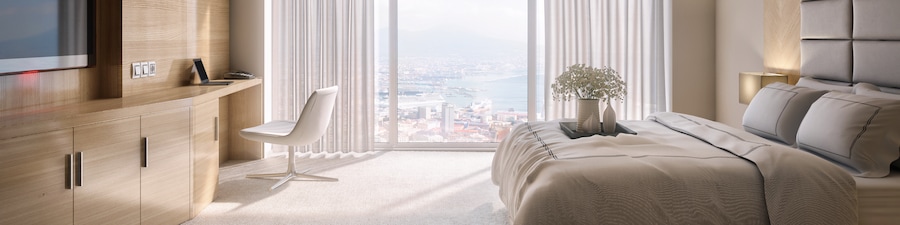
This hotel features a restaurant, a gym, and a bar/lounge. WiFi in public areas is free. A terrace, a garden, and a lobby fireplace are also on offer.

The Milestone Hotel
London City Centre
Price was $4,286, price is now $2,216 per person
$2,216
per person
Nov 3 - Nov 7
found 22 hours ago
Roundtrip flight included
Dallas (DFW) to London (LHR)
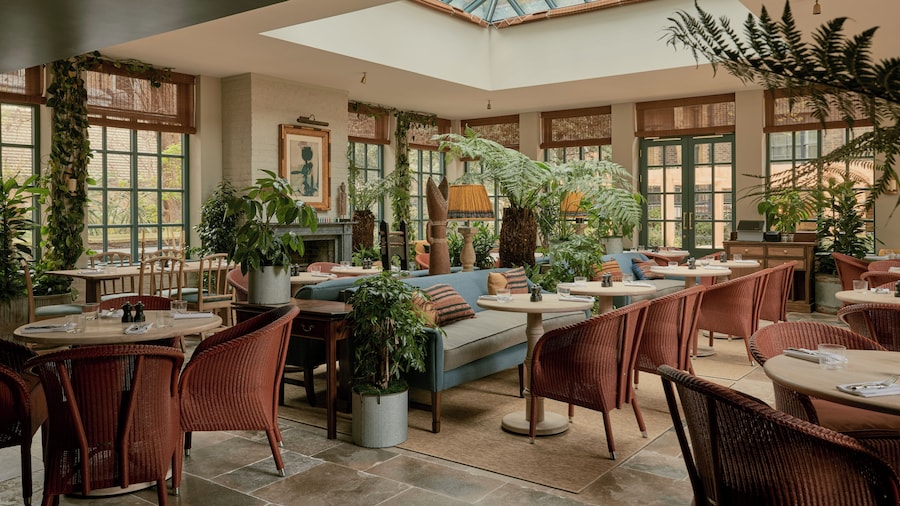
The hotel's indoor pool, gym, and 2 bars/lounges are among the featured amenities. Traveling on business? Take advantage of the 24-hour business center, free WiFi in public areas, and valet parking. A restaurant, a 24-hour front desk, and laundry facilities are also provided.

The Savoy
London City Centre
Price was $5,530, price is now $3,011 per person
$3,011
per person
Nov 3 - Nov 7
found 22 hours ago
Roundtrip flight included
Dallas (DFW) to London (LHR)
A full-service spa, 4 restaurants, and an indoor pool are all featured at this luxury hotel. Traveling on business? Take advantage of the 24-hour business center, free WiFi in public areas, and valet parking. Make the most of the 24-hour gym and sauna, and relax with drinks at one of the 2 bars/lounges.
Four Seasons Hotel London at Park Lane
London City Centre
Price was $5,254, price is now $2,893 per person
$2,893
per person
Nov 3 - Nov 7
found 22 hours ago
Roundtrip flight included
Dallas (DFW) to London (LHR)
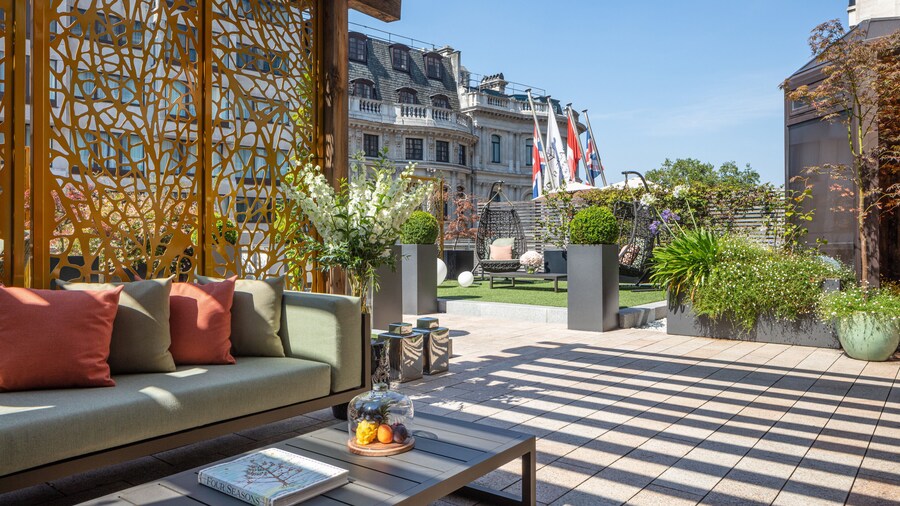
A full-service spa, a hot tub, and a restaurant are all featured at this smoke-free hotel. Traveling on business? Take advantage of the 24-hour business center, express check-in, and airport shuttle. You'll appreciate the gym, bar/lounge, and laundry facilities.
Top Newmarket hotels deals
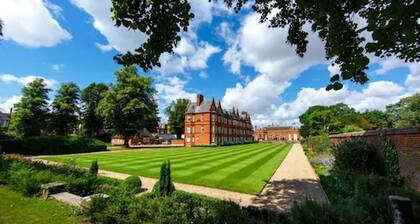
Bedford Lodge Hotel & Spa
Bury Road Newmarket England
Free Cancellation
Reserve now, pay when you stay
$166 nightly
The price is $199 total per night
$199 total
Aug 31 - Sep 1
Total with taxes and fees
A full-service spa, a gym, and a restaurant are all featured at this smoke-free hotel. Business travelers can take advantage of the free WiFi in public areas. Enjoy the indoor pool and free perks like full breakfast and free self parking.
Pool
Breakfast included
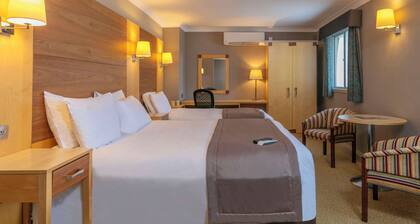
The Jockey Club Rooms
Jockey Club Office101 High Street Newmarket England
Free Cancellation
Reserve now, pay when you stay
$133 nightly
The price is $159 total per night
$159 total
Sep 6 - Sep 7
Total with taxes and fees
This hotel doesn't skimp on freebies - guests receive free WiFi and free self parking. Traveling on business? Take advantage of the 5 onsite conference rooms. A terrace, a garden, and luggage storage are also on offer.
Parking included
Free WiFi
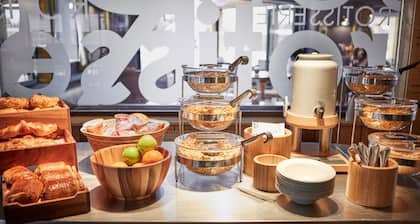
Best Western Heath Court Hotel
Moulton Road Newmarket England
Free Cancellation
Reserve now, pay when you stay
$82 nightly
The price is $98 total per night
$98 total
Sep 14 - Sep 15
Total with taxes and fees
A restaurant and a bar/lounge are featured at this hotel. Traveling on business? Take advantage of the business center and free WiFi in public areas. Free self parking, a terrace, and a computer station are also offered.
Pet friendly
Parking included
White Hart, Newmarket by Marston's Inns
134 High Street Newmarket England
Free Cancellation
Reserve now, pay when you stay
$57 nightly
The price is $69 total per night
$69 total
Aug 16 - Aug 17
Total with taxes and fees
A restaurant and a bar/lounge are featured at this inn. Guests will appreciate free perks like free self parking and WiFi in public areas. A garden is also provided.
Parking included
Free WiFi

The Packhorse Inn
Bridge St Newmarket England
Free Cancellation
Reserve now, pay when you stay
$116 nightly
The price is $140 total per night
$140 total
Aug 23 - Aug 24
Total with taxes and fees
A restaurant and a bar/lounge are featured at this inn. Guests will appreciate free perks like free self parking and WiFi in public areas. A terrace, a garden, and luggage storage are also on offer.
Pet friendly
Parking included

The Three Blackbirds
36 Ditton Green Newmarket England
Free Cancellation
Reserve now, pay when you stay
$149 nightly
The price is $178 total per night
$178 total
Aug 31 - Sep 1
Total with taxes and fees
A restaurant and a bar/lounge are featured at this inn. Guests will appreciate free perks like free self parking and WiFi in public areas.
Pet friendly
Parking included
Lowest nightly price found within the past 24 hours based on a 1 night stay for 2 adults. Prices and availability subject to change. Additional terms may apply.
Stay near popular Newmarket attractions
Frequently asked questions
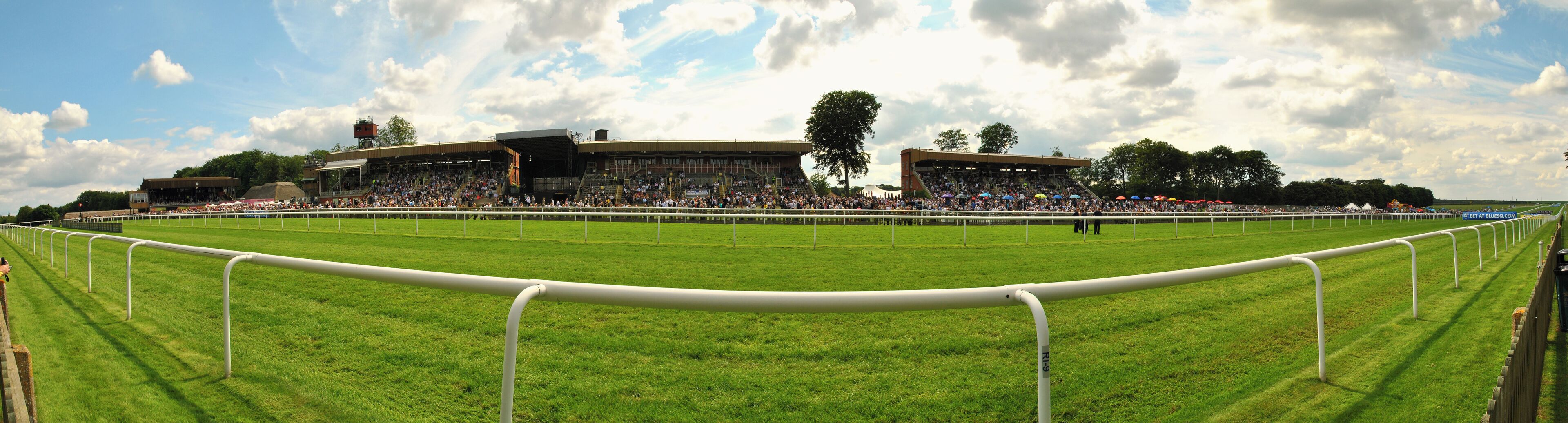
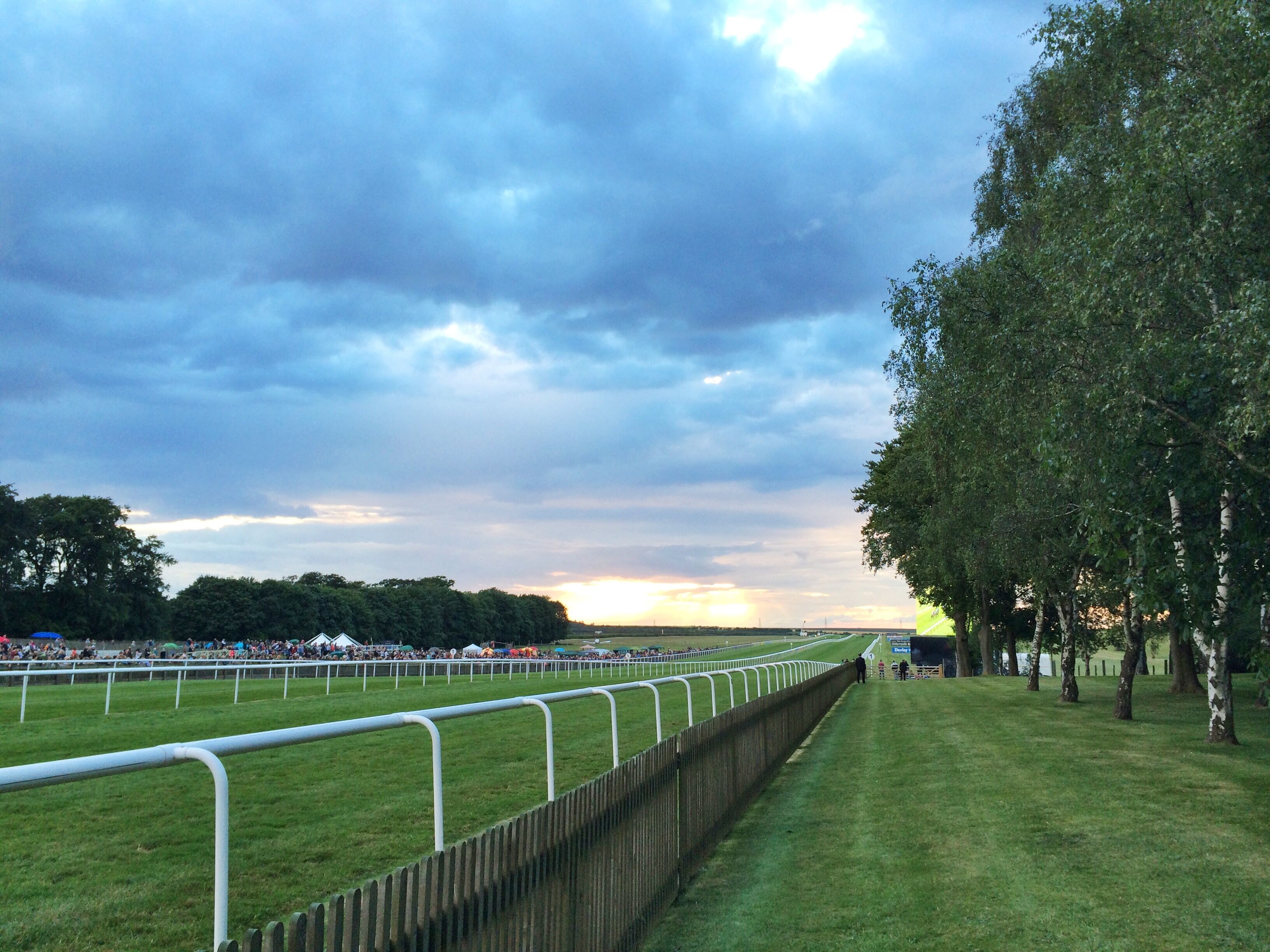
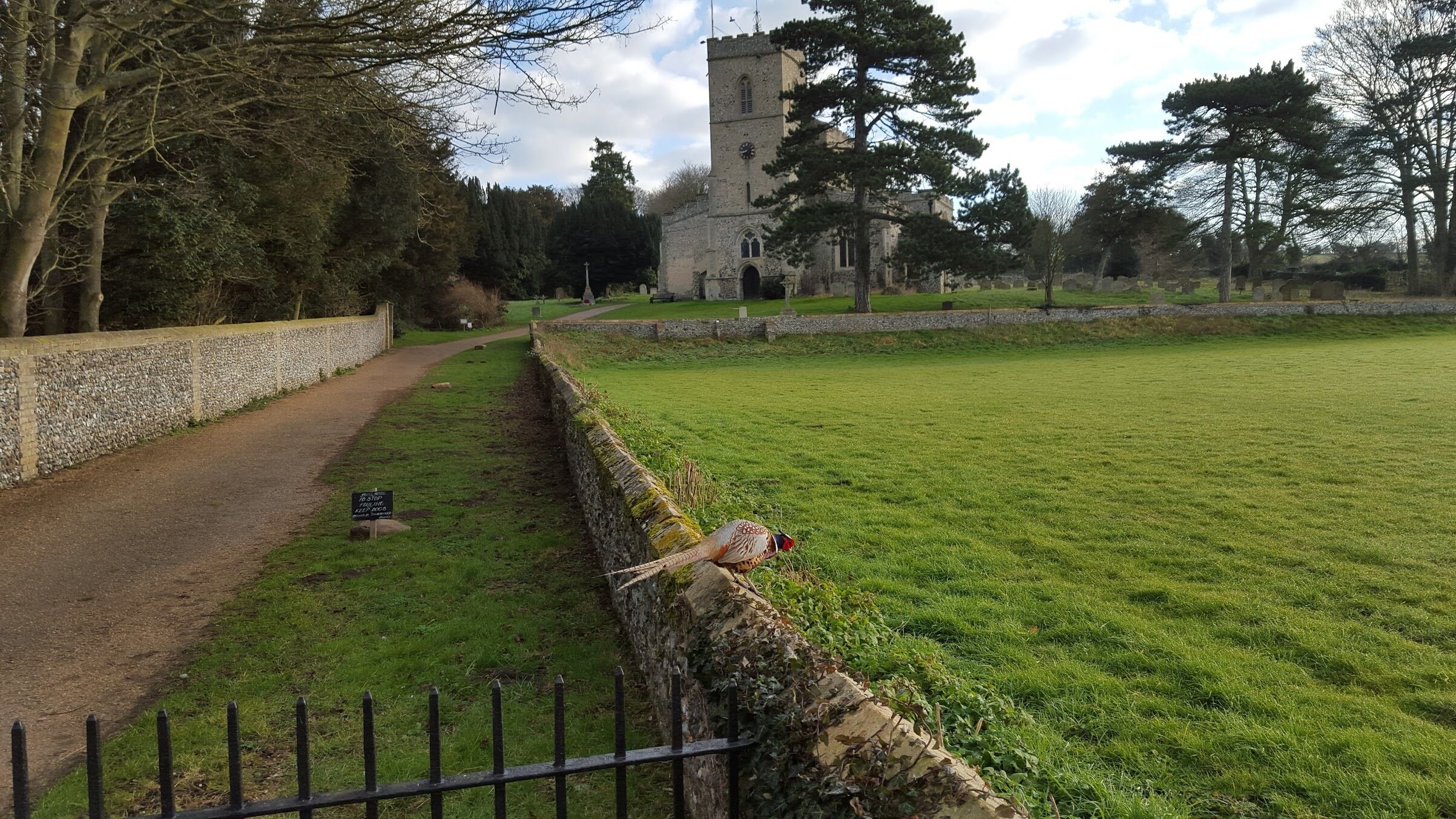
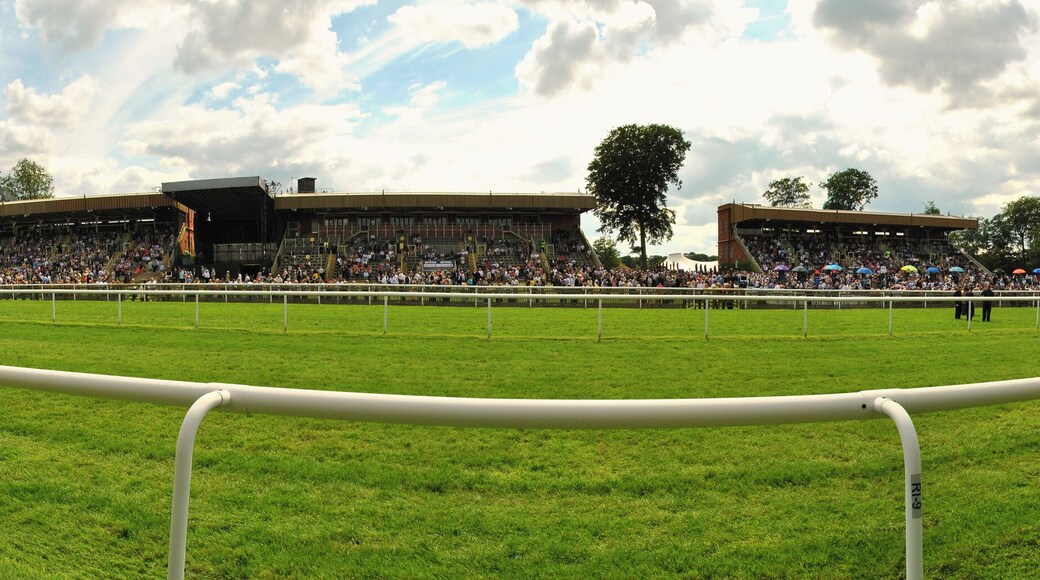
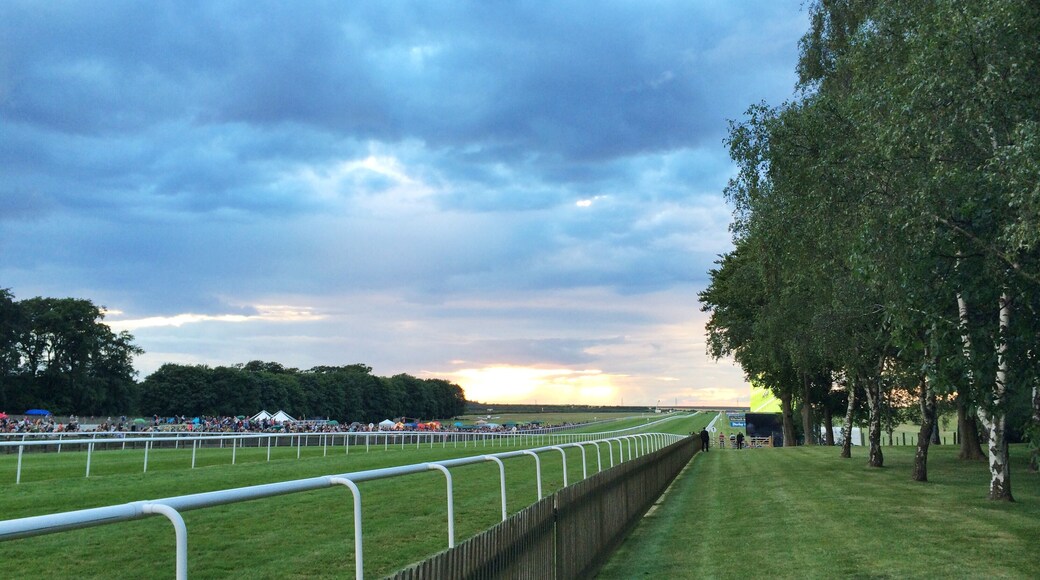
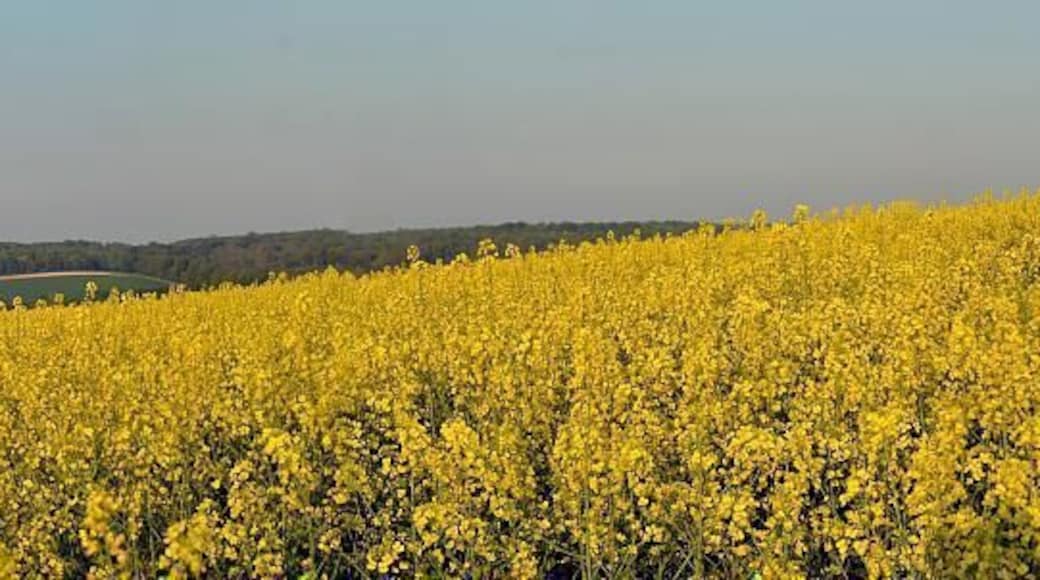
Photos of local treasures
Browse Newmarket vacation photos for more inspiration
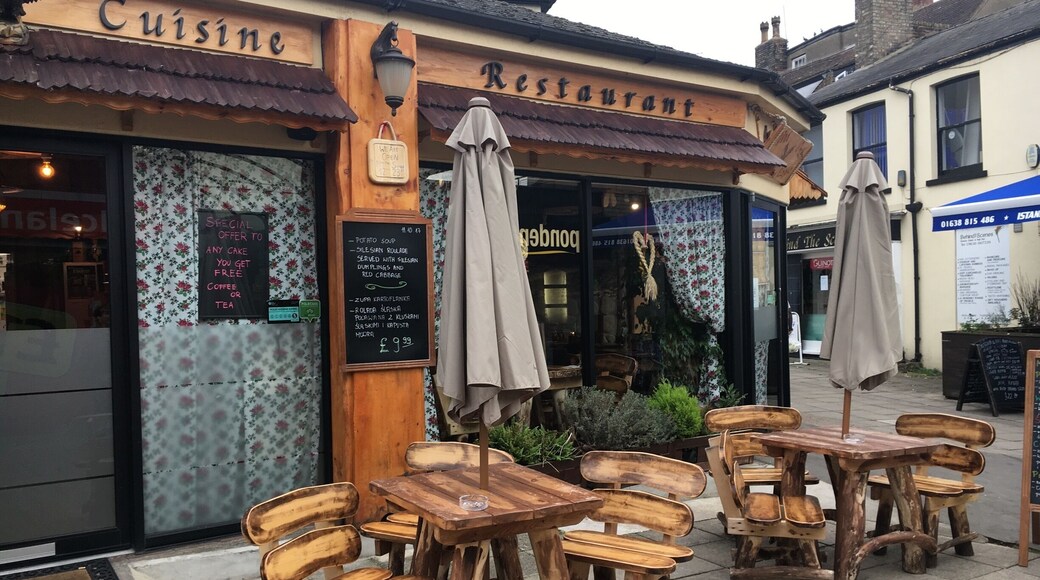

Book a vacation to Newmarket
Explore More Ways to Travel with Travelocity
- Clayton Hotel Cambridge
- Budget in Cambridge
- Hostels in Cambridge
- Cottages in Cambridge
- Adults Only Hotels in Cambridge City Centre
- Bedandbreakfast in Cambridge
- Apartments in Cambridge
- Cabins in Linton
- Cottages in Lakenheath
- Bedandbreakfast in Lakenheath
- Apartments in Lakenheath
- Hotels near King's College
- Hotels near Jesus College
- Family Friendly in Isle of Ely
- Cottages in Isle of Ely
- Hotels in Histon
- Bedandbreakfast in Fornham St Martin
- Early Check-in in Newmarket
- Rutland Arms
- The Jockey Club Rooms
- Hotels in Newmarket
- Caravanparks in Newmarket
- Agritourism in Cambridge
- Pet Friendly Hotels in Orchard Park
- Hotels near Parker's Piece
- Graduate by Hilton Cambridge
- Bar in Cambridge
- Kitchenette in Cambridge
- Luxury in Cambridge
- The Varsity Hotel & Spa
- University Arms Autograph Collection
- Hotels in Cambridge
- Hotels near Oliver Cromwell's House
- Privatevacationhomes in Bury St Edmunds
- Hotels in Bury St Edmunds
- Aparthotels in Bury St Edmunds
- Capsulehotels in Bury St Edmunds
- Bedandbreakfast in Bury St Edmunds
- Apartments in Bury St Edmunds
- Hostels in Barway
- Hotels near Anglia Ruskin University
- Hotels near Addenbrooke's Hospital
- Hotels near Emmanuel College
- Houseboats in Ely
- Hotels in Ely
- Lamb Hotel by Greene King Inns
- Recreation in Ely
- Aparthotels in Ely
- Hotels near Ely Cathedral
- Aparthotels in East of England
- Chesterton Hotels
- Hotels near Pembroke College
- Hotels near Sawston Hall
- Bedandbreakfast in Six Mile Bottom
- Hostels in Soham
- Hotels near St John's College
- Hotels near Trinity College
- Hostels in West Suffolk District
- Hotels near Wicken Fen National Nature Reserve
- LGBT Friendly in Newmarket
- Bedford Lodge Hotel & Spa
- Guesthouses in Mildenhall
- Cabins in Mildenhall
- Flights from Boston to Cambridge
- Qantas Sydney (SYD) to Cambridge (CBG) flights
- KLM Royal Dutch Airlines Amsterdam (AMS) to Cambridge (CBG) flights
- Icelandair Suðurnesjabær (KEF) to Cambridge (CBG) flights
- British Airways Manchester (MAN) to Cambridge (CBG) flights
- British Airways Gothenburg (GOT) to Cambridge (CBG) flights
- British Airways Jamaica (JFK) to Cambridge (CBG) flights
- Flights from Cambridge
- Flights to Bury St Edmunds
- Flights to Histon
- Flights to Ely
- Flights to Soham
- Flights to Mildenhall
- Flights to Lakenheath
- Flights from Stuttgart (STR) to Cambridge (CBG)
- Flights from Panama City (PTY) to Cambridge (CBG)
- Flights from Chicago (ORD) to Cambridge (CBG)
- Flights from Lagos (LOS) to Cambridge (CBG)
- Flights from Hounslow (LHR) to Cambridge (CBG)
- Flights from London (LCY) to Cambridge (CBG)
- Flights from Los Angeles (LAX) to Cambridge (CBG)
- Flights from Jamaica (JFK) to Cambridge (CBG)
- Flights from Farnborough (FAB) to Cambridge (CBG)
- Flights from Bilbao (BIO) to Cambridge (CBG)
- Flights from Houston to Cambridge
- Flights from Denver to Cambridge