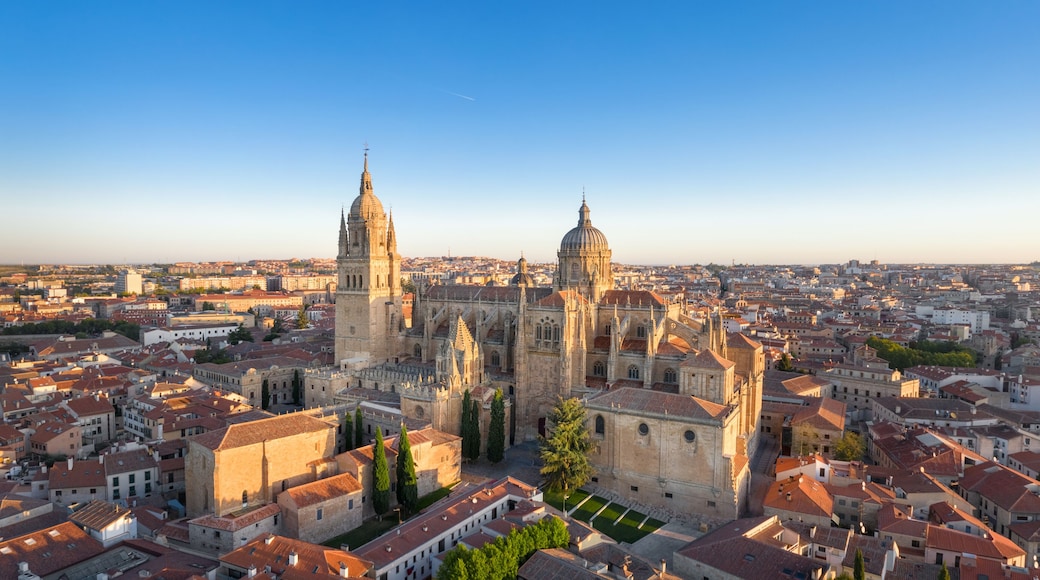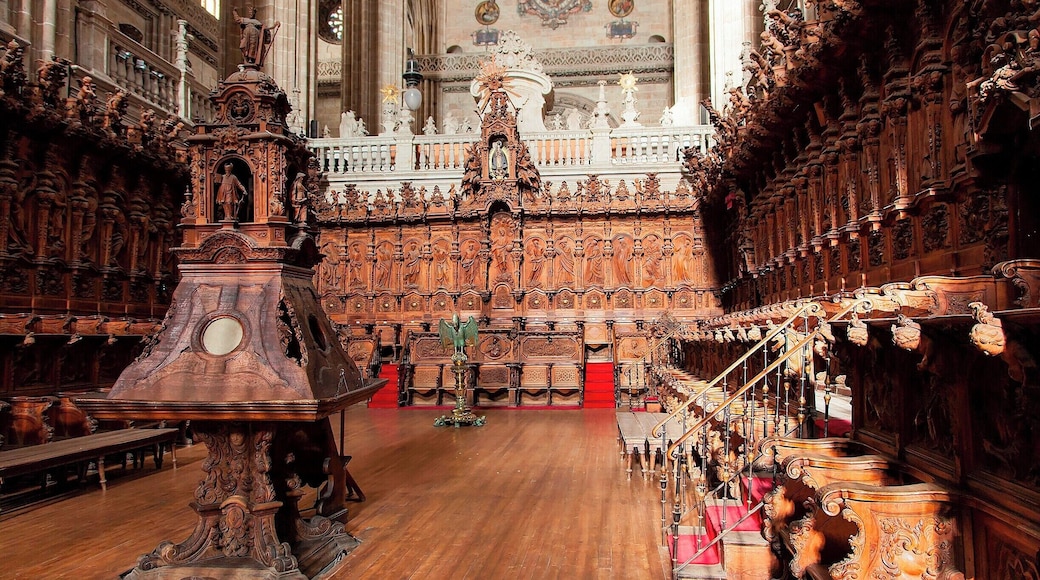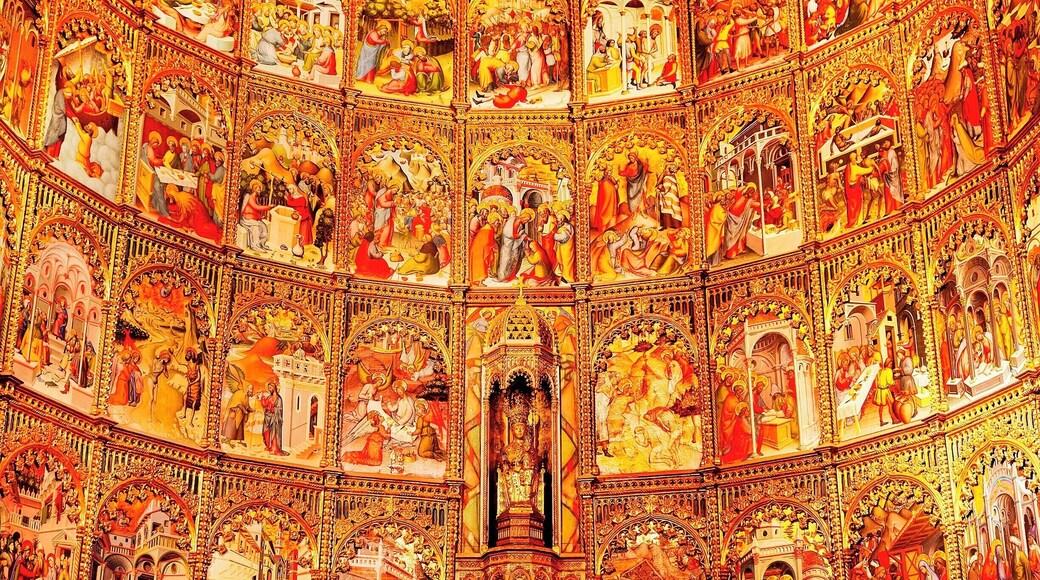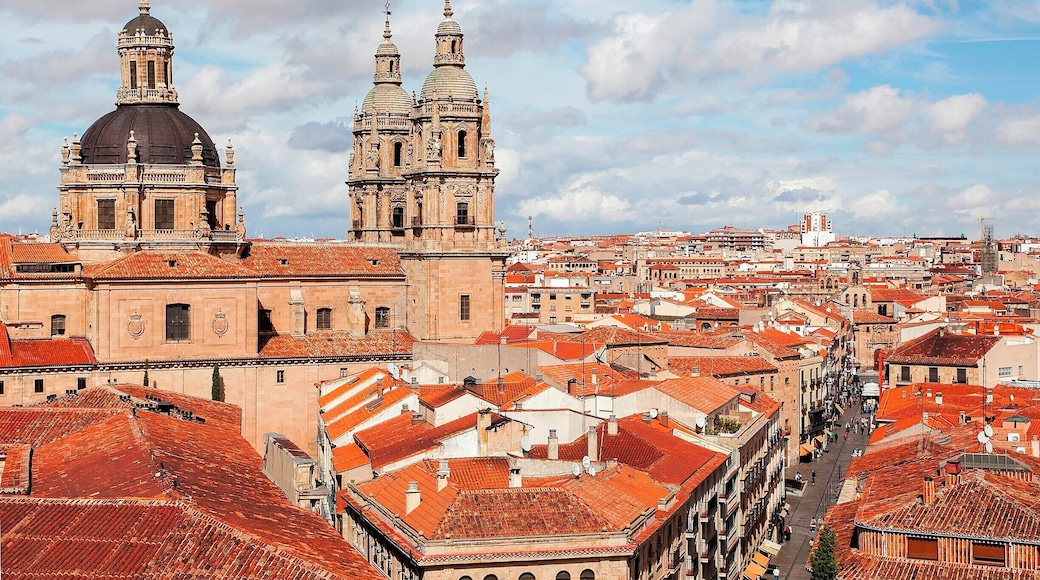
Reserva paquetes vacacionales exclusivos en Campo de Salamanca
Paquetes de vuelo y hotel en Campo de Salamanca
Precios encontrados en las últimas 48 horas. Haz clic en el anuncio para ver los precios actualizados.
B&B Madrid Aeropuerto T1 T2 T3
San Blas-Canillejas
El precio era de $1,037 y ahora es de $625 por persona
$625
por persona
9 dic - 11 dic
precio actual
Incl. vuelo redondo sin escalas
Boston (BOS) a Aeropuerto de Madrid-Adolfo Suárez Madrid Barajas (MAD)
Este hotel tiene wifi gratis en las áreas comunes, servicio de concierge y estacionamiento. Encontrarás resguardo de equipaje, al igual que atención las 24 horas en recepción.
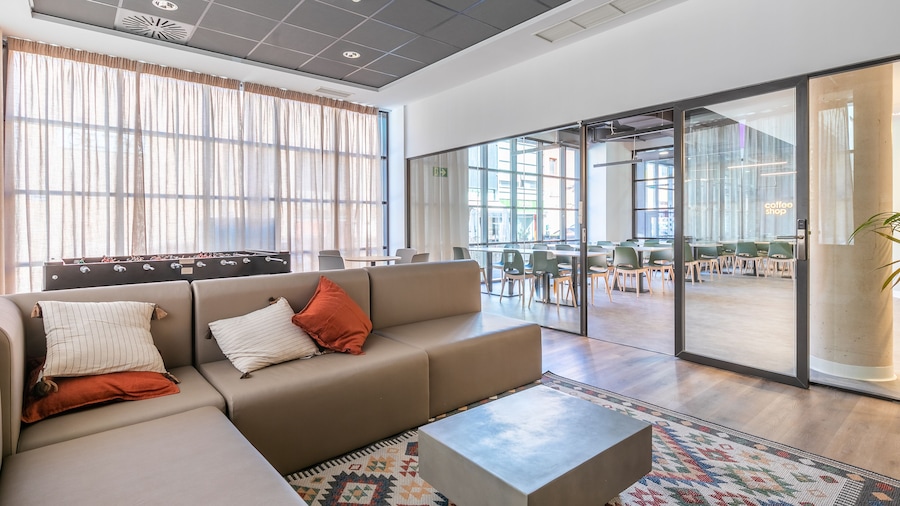
Micampus Estrada 11
Fuencarral-El Pardo
El precio era de $1,050 y ahora es de $629 por persona
$629
por persona
9 dic - 11 dic
precio actual
Incl. vuelo redondo sin escalas
Boston (BOS) a Aeropuerto de Madrid-Adolfo Suárez Madrid Barajas (MAD)
Este hotel cuenta con wifi gratis en las áreas comunes, un jardín y una lavandería. La recepción está disponible las 24 horas.
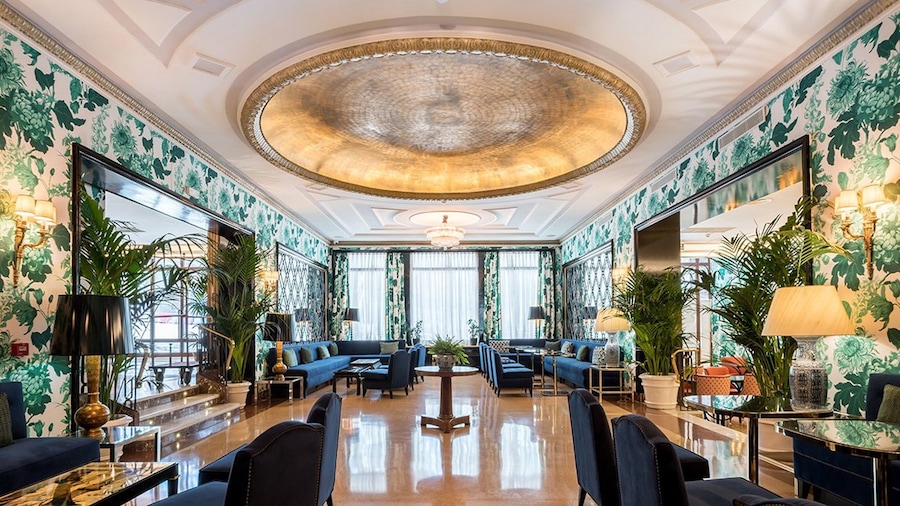
Hotel Principe Pio
Austrias
El precio era de $1,225 y ahora es de $739 por persona
$739
por persona
9 dic - 11 dic
precio actual
Incl. vuelo redondo sin escalas
Boston (BOS) a Aeropuerto de Madrid-Adolfo Suárez Madrid Barajas (MAD)
Este hotel tiene wifi gratis en las áreas comunes, una lavandería y estacionamiento. Asimismo, cuenta con resguardo de equipaje y una caja de seguridad.

Sercotel Madrid Aeropuerto
Barajas
El precio era de $1,088 y ahora es de $660 por persona
$660
por persona
9 dic - 11 dic
precio actual
Incl. vuelo redondo sin escalas
Boston (BOS) a Aeropuerto de Madrid-Adolfo Suárez Madrid Barajas (MAD)
Este hotel cuenta con un restaurante, un gimnasio y un bar o lounge. Hay un centro de negocios, wifi gratis en las áreas comunes y traslado desde/hacia el aeropuerto gratis por si tu viaje es de trabajo. Cuenta con una alberca al aire libre por temporada, además de una lavandería y servicio de concierge.

B&B Hotel Madrid Centro Plaza Mayor
Madrid Centro
El precio era de $1,110 y ahora es de $691 por persona
$691
por persona
9 dic - 11 dic
precio actual
Incl. vuelo redondo sin escalas
Boston (BOS) a Aeropuerto de Madrid-Adolfo Suárez Madrid Barajas (MAD)
Este hotel cuenta con servicios y amenidades como wifi gratis en las áreas comunes, resguardo de equipaje y una caja de seguridad. Asimismo, cuenta con una lavandería y servicio de concierge.
Las mejores ofertas de hoteles en Campo de Salamanca
Eurostars Las Claras
Calle Marquesa de Almarza, s/n Salamanca Salamanca
Cancelación gratuita
Reserva ahora y paga después
$84 por noche
El precio es de $93 en total por noche
$93 en total
14 oct. - 15 oct.
Total con impuestos y cargos
Este hotel tiene wifi gratis en las áreas comunes, servicio de concierge y estacionamiento. Hay un centro de negocios disponible las 24 horas, check-in exprés y espacio para conferencias por si tu viaje es de trabajo. Encontrarás resguardo de equipaje y personal multilingüe para atenderte las 24 horas.
Wifi gratis
A/A

Exe Salamanca
Calle Alava, 8 Salamanca Salamanca
Cancelación gratuita
Reserva ahora y paga después
$79 por noche
El precio es de $87 en total por noche
$87 en total
27 sep. - 28 sep.
Total con impuestos y cargos
Este hotel, además de estacionamiento, cuenta con un bar o lounge y servicio de recepción las 24 horas. El wifi es gratis. También hay un centro de negocios, una cafetería y un snack bar o deli.
Wifi gratis
A/A

NH Collection Salamanca Palacio de Castellanos
Calle San Pablo, 58 Salamanca Salamanca
$137 por noche
El precio es de $150 en total por noche
$150 en total
27 sep. - 28 sep.
Total con impuestos y cargos
Este hotel cuenta con un restaurante, un gimnasio y un bar o lounge. Hay 4 salas de conferencias, wifi gratis en las áreas comunes y servicio de lavandería o tintorería por si tu viaje es de trabajo. Aquí también contarás con estacionamiento, una terraza y resguardo de equipaje.
Mascotas
Wifi gratis
Hotel Silken Rona Dalba
Plaza San Juan Bautista 12 Salamanca Salamanca
Cancelación gratuita
Reserva ahora y paga después
$61 por noche
El precio es de $67 en total por noche
$67 en total
15 oct. - 16 oct.
Total con impuestos y cargos
Este hotel cuenta con un restaurante y 3 bares o lounges. Hay un centro de negocios, wifi gratis en las áreas comunes y traslado desde/hacia el aeropuerto por si tu viaje es de trabajo. Hay un gimnasio y servicio de recepción las 24 horas, además de una cafetería.
Mascotas
Wifi gratis

Parador de Salamanca
Teso de la Feria, 2 Salamanca Salamanca
Cancelación gratuita
Reserva ahora y paga después
$90 por noche
El precio es de $99 en total por noche
$99 en total
21 sep. - 22 sep.
Total con impuestos y cargos
Este hotel cuenta con un restaurante, una alberca al aire libre por temporada y un bar o lounge. Hay un centro de negocios y wifi gratis por si tu viaje es de trabajo. Disfruta de su terraza en la azotea y otras comodidades, entre ellas servicio de recepción las 24 horas y una lavandería.
Alberca
Wifi gratis
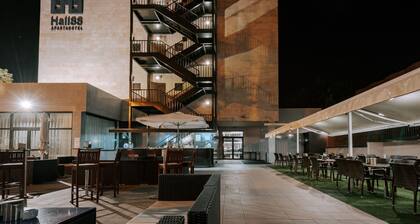
Zenit Aparthotel Hall88
Calle Peña De Francia 48 Salamanca Salamanca
$48 por noche
El precio es de $53 en total por noche
$53 en total
5 oct. - 6 oct.
Total con impuestos y cargos
Este apart-hotel tiene un restaurante y un bar o lounge. Hay un centro de negocios y wifi gratis por si tu viaje es de trabajo. Aquí también contarás con estacionamiento, una cafetería y una terraza.
Cocina
Wifi gratis
¿No encuentras lo que buscas?
Ve todas las propiedades disponibles en Campo de Salamanca
Ver todas las propiedadesPrecio más bajo por noche encontrado en las últimas 24 horas, con base en una estancia de 1 noche para 2 adultos. Los precios y la disponibilidad están sujetos a cambios. Aplican términos adicionales.
Hospédate cerca de algunas de las atracciones destacadas de Campo de Salamanca
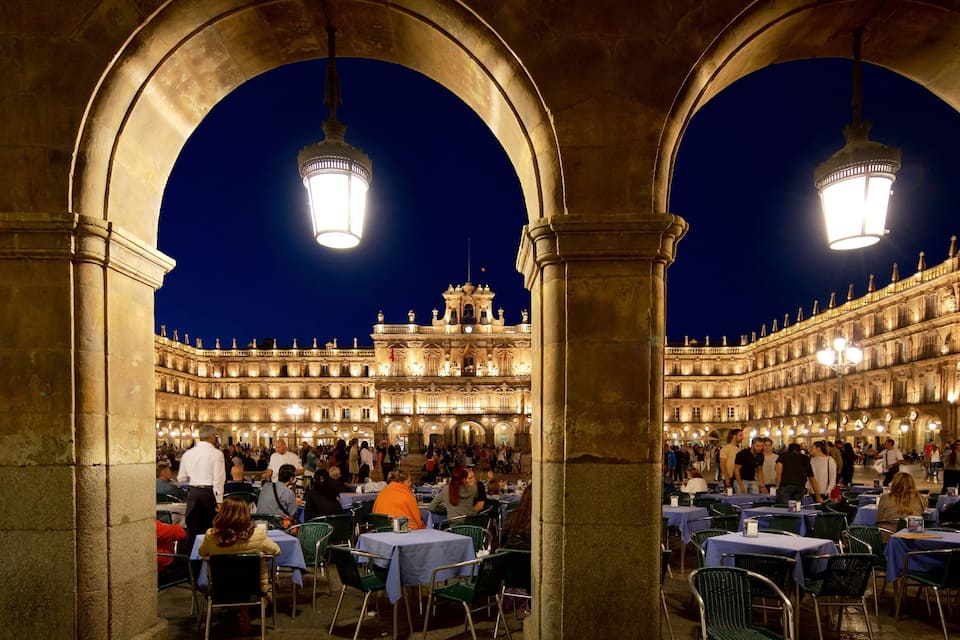

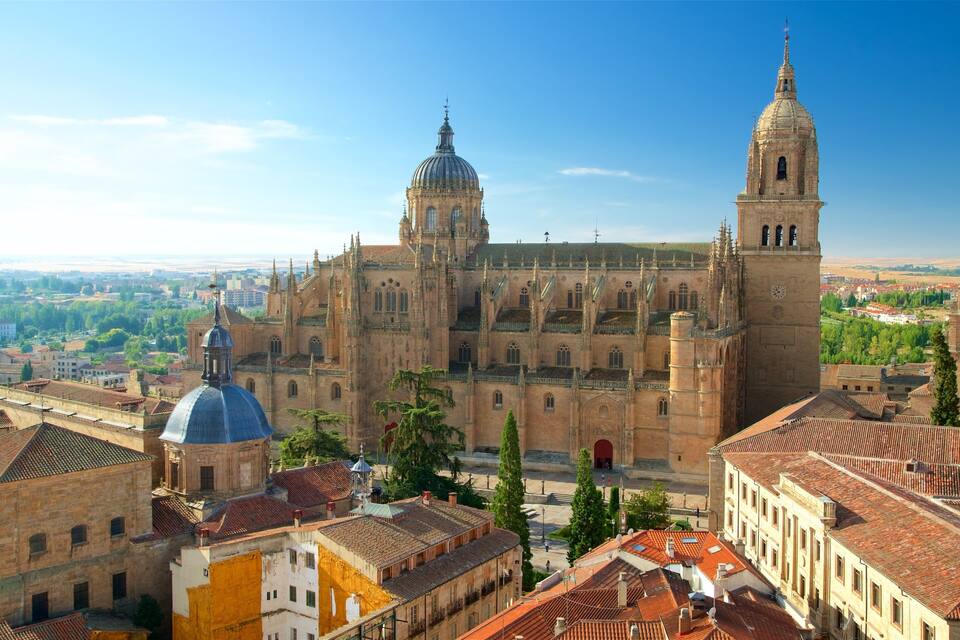
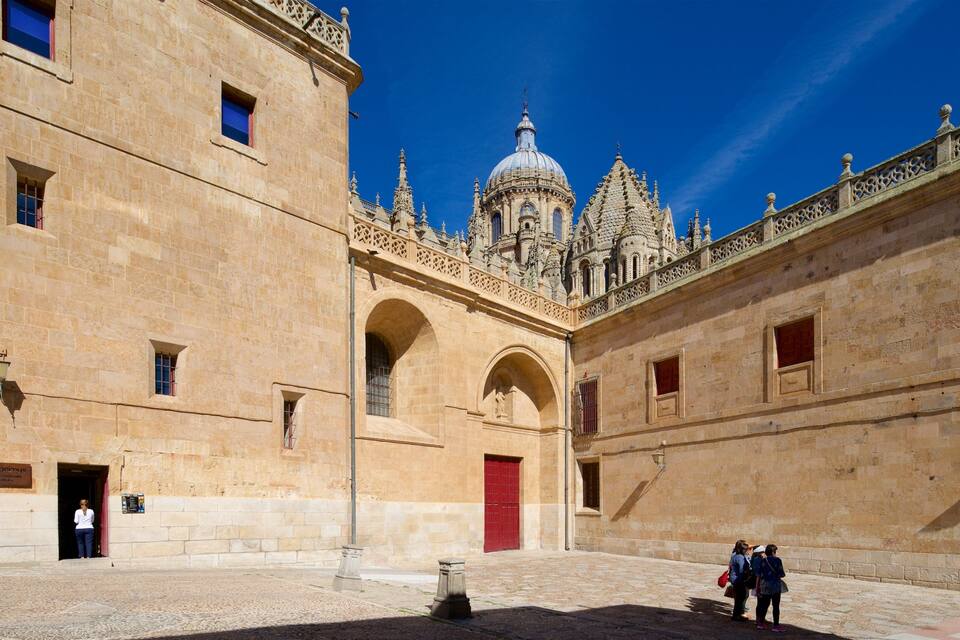

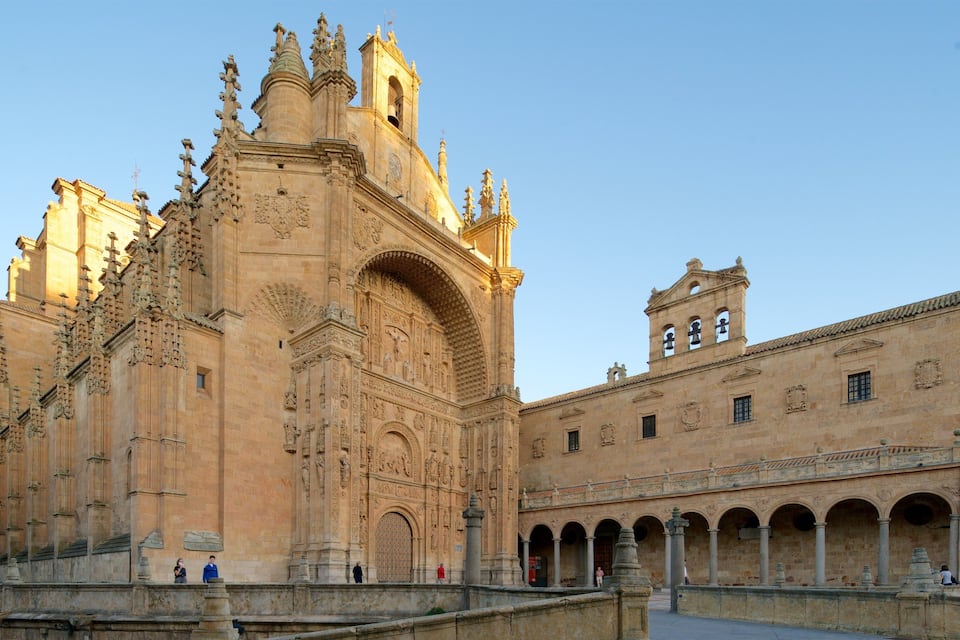
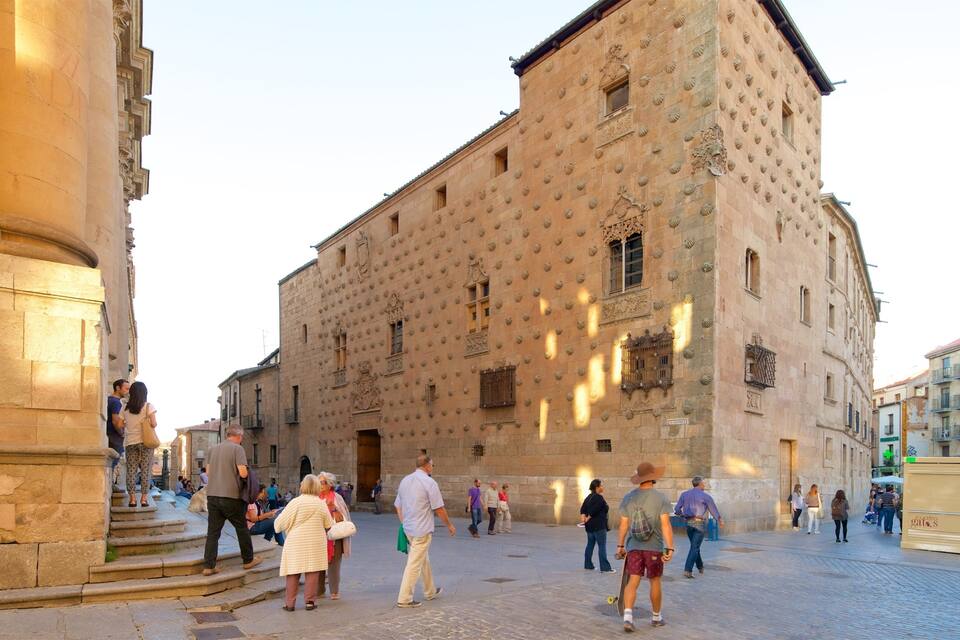
Fotos de tesoros locales
Explora las fotos de Campo de Salamanca y déjate inspirar para tus próximas vacaciones