Deals on vacations and trips to Angles-sur-lʼAnglin

Save when you book Angles-sur-lʼAnglin package deals

Choose two or more items and save on your trip:

Angles-sur-lʼAnglin flight + hotel vacation packages

Price found within the past 48 hours. Click for updated prices.
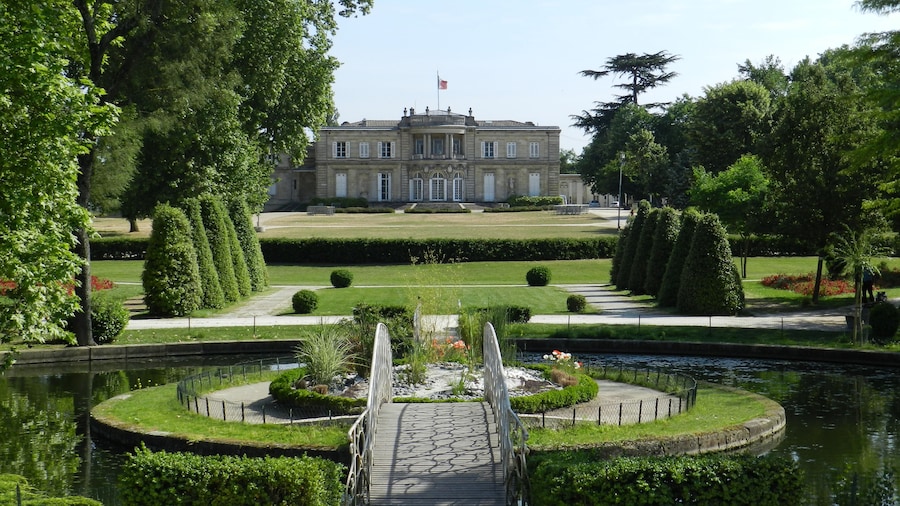
Hôtel La Zoologie
Intercontinental Bordeaux Le Grand Hotel by IHG
Maison Pavlov
Le Palais Gallien Hôtel & Spa
Le Boutique Hotel & Spa

Top Angles-sur-lʼAnglin hotels deals

Don't see what you're looking for?
See all available properties in Angles-sur-lʼAnglin
View all properties
Lowest nightly price found within the past 24 hours based on a 1 night stay for 2 adults. Prices and availability subject to change. Additional terms may apply.

Frequently asked questions

How much are vacation packages to Angles-sur-lʼAnglin?
Your vacation dreams can all come true in Angles-sur-lʼAnglin for as little as $1,445. Our vacation packages include flights and hotels, so they're bound to make booking a cinch. The only thing you'll have to concentrate on is having a good time.
Where can I get the best vacation package deals for Angles-sur-lʼAnglin?
Check out Travelocity. With access to 400 airline partners and a whopping 1,000,000 hotels all over the world, selecting the ultimate Angles-sur-lʼAnglin package deal couldn't be simpler.
Why should I purchase my Angles-sur-lʼAnglin vacation bundle via Travelocity?
Because you'll never wander on your own if you secure your trip with us, and we offer round-the-clock support and top-notch service to boot. Add to that our Price Match Guarantee and tons of destinations to select from. It's our job to help you jet off on the vacation of a lifetime.
Will I save money on my Angles-sur-lʼAnglin car rental if I bundle it with a hotel or flight?
Absolutely — bundle your car, flight and hotel into an Angles-sur-lʼAnglin vacation package and you can save a ton. With so many things to do in the Angles-sur-lʼAnglin area, that rental car will come in handy. Once you've slid into the driver's seat, crank up the music and make tracks to Circuit de la Sarthe, a renowned sight roughly 95 mi from Angles-sur-lʼAnglin.
Which airport is best for Angles-sur-lʼAnglin?
Many people choose to fly into Limoges Intl. Airport (LIG), 60 mi south of downtown Angles-sur-lʼAnglin. Others prefer Tours - Loire Valley Airport (TUF) (50 mi away from central Angles-sur-lʼAnglin) or Biard Airport (PIS) (30 mi away from central Angles-sur-lʼAnglin).
Where should I stay when visiting Angles-sur-lʼAnglin?
Many people choose to hit the hay at the Maison des Vacances au Calme à Proximité de la Brenne. It's an excellent base for your Angles-sur-lʼAnglin getaway.

Photos of local treasures

Browse Angles-sur-lʼAnglin vacation photos for more inspiration
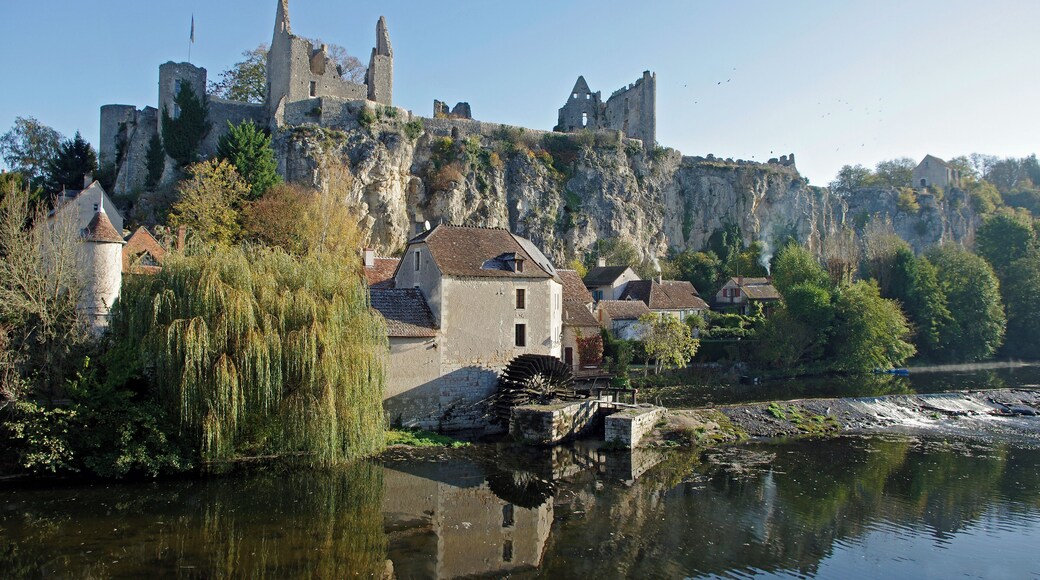
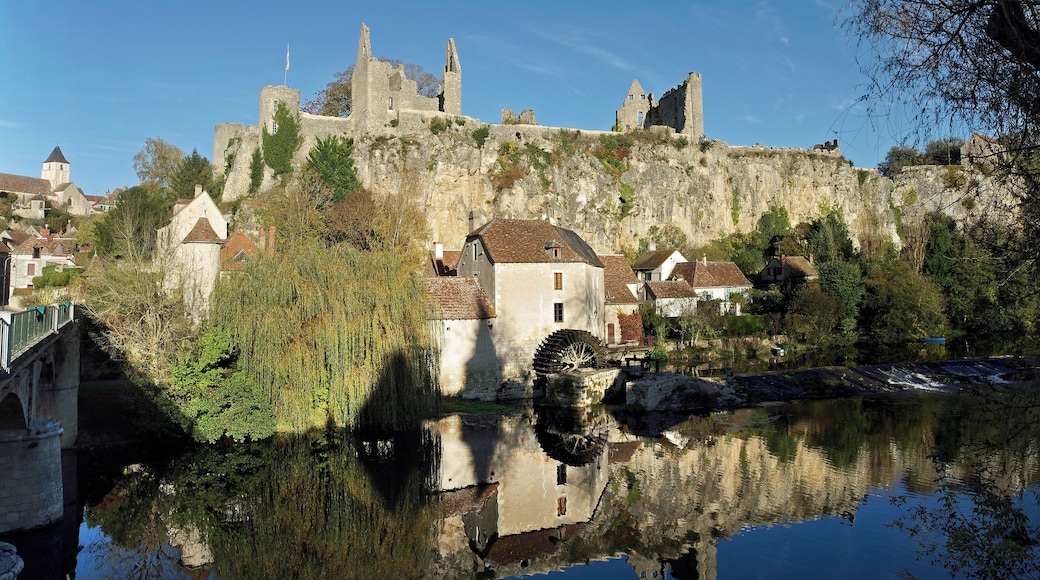
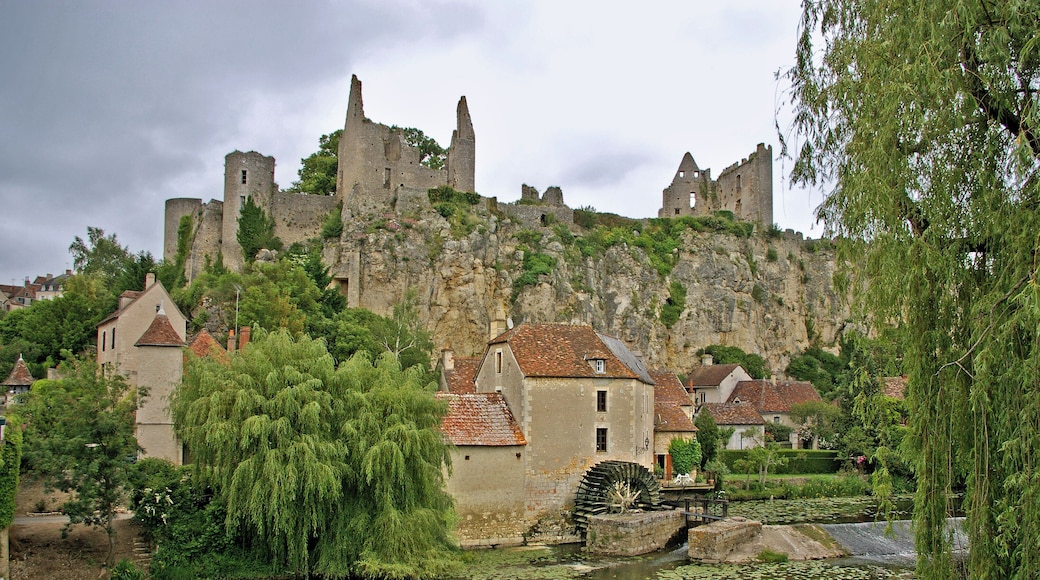
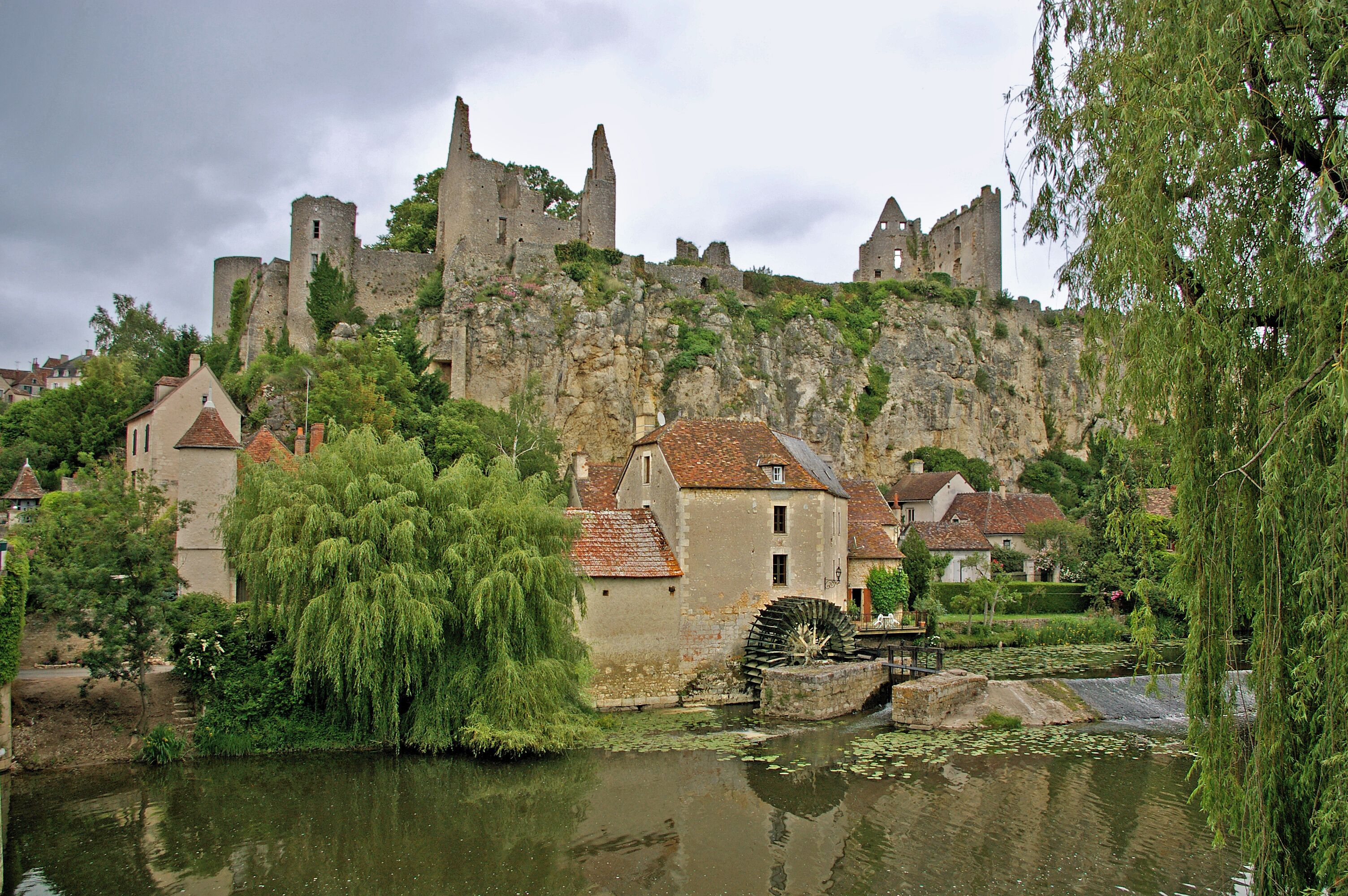
Angles-sur-l'Anglin (Vienne). Le moulin situé au pied de la forteresse était en fait le moulin de l’abbaye réservé à l’usage des moines et des habitants de Sainte-Croix. A la Révolution, il fut vendu aux enchères comme bien du Clergé. Il eut plusieurs propriétaires et plusieurs fonctions : scierie, meule à grain… Il cessa toute activité vers 1968. Le château a été construit vers 1025 par Gilbert, évêque de Poitiers. Au début du XIIème siècle, il est la possession de la famille des Lusignan Au XIIIème, les Lusignan revendent le château à Gauthier de Bruges, évêque de Poitiers. Guichard d’Angle, né au château, participe à la bataille de Maupertuis en 1356. Par le traité de Brétigny, en 1360, il cède la forteresse aux Anglais. Elle est reprise par Du Guesclin en 1372. Au début du XVème, deux évêques remanient la forteresse. Hugues de Combarel fait édifier un logis d’habitation qui évoque déjà la Renaissance. Guillaume Gouges de Charpaigne poursuit son œuvre. A la fin du XVème siècle, Pierre d’Amboise fait construire la résidence épiscopale de Dissay qui est préférée à la châtellenie d’Angles. Pendant les guerres de religion, les protestants, avec Coligny, pillent le château et l'abbaye Sainte-Croix avant d’être battus à Moncontour. 50 ans plus tard, les partisans de la Fronde prennent la forteresse qui est reconquise en 1652 par le duc de Roannez, gouverneur du Poitou. En 1708, le parlement de Paris exempte les évêques de Poitiers de leur devoir d’entretien. En 1792, la forteresse, en ruine, est confisquée et la commune décide de l’utiliser comme carrière de pierres. Au XIXème siècle, elle est transformée en parcelles cultivables. En 1882, le château est acheté par le baron de Puynode, propriétaire du château des Certeaux. Sa veuve revend le château à la société des Antiquaires de l’ouest en 1921 qui le fait classer monument historique en 1926 avec l’Eglise Saint-Martin et les restes de l’abbaye Sainte-Croix. La commune rachète la forteresse pour le franc symbolique en 1986. Angles sur l'Anglin (Vienne). The mill at the foot of the fortress was in fact the mill of the abbey for the exclusive use of the monks and people of St. Croix. During the Revolution, it was sold at auction like many of the clergy. He had several owners and several functions: mill, grinding grain ... It ceased activity around 1968. The castle was built in 1025 by Gilbert, Bishop of Poitiers. In the early twelfth century, it is the possession of the family of Lusignan The thirteenth, the Lusignan sell the castle of Bruges Gauthier, Bishop of Poitiers. Guichard d'Angle, born in the castle, takes part in the battle of Maupertuis in 1356. By the treaty of Bretigny, in 1360, he sold the castle to the English. It is taken by Du Guesclin in 1372. At the beginning of the fifteenth, two bishops rework the fortress. Hugues de Combarel had built a dwelling house which already evokes the Renaissance. William Gouges Charpaigne of continuing his work.
 At the end of the fifteenth century, Pierre d'Amboise built the episcopal residence in Diss which is preferred to the manor of Angles. During the wars of religion, the Protestants, with Coligny, pillage the castle and the abbey Holy Cross before being beaten to Moncontour. 50 years later, supporters of the Fronde take the fortress that was conquered in 1652 by the Duke of Roannez, governor of Poitou. In 1708, the parliament of Paris free the bishops of Poitiers their duty to maintain. In 1792, the fortress in ruins, was confiscated and the municipality decides to use it as a stone quarry. In the nineteenth century, it is transformed into arable plots. In 1882, the castle was bought by Baron Puynode, owner of the castle of Certeau. His widow sold the castle to the Society of Antiquaries of the West in 1921 that makes it a historical monument in 1926 with the St. Martin's Church and the remains of the abbey of Sainte-Croix. The town bought the castle for one symbolic franc in 1986.
Angles-sur-l'Anglin (Vienne). Le moulin situé au pied de la forteresse était en fait le moulin de l’abbaye réservé à l’usage des moines et des habitants de Sainte-Croix. A la Révolution, il fut vendu aux enchères comme bien du Clergé. Il eut plusieurs propriétaires et plusieurs fonctions : scierie, meule à grain… Il cessa toute activité vers 1968. Le château a été construit vers 1025 par Gilbert, évêque de Poitiers. Au début du XIIème siècle, il est la possession de la famille des Lusignan Au XIIIème, les Lusignan revendent le château à Gauthier de Bruges, évêque de Poitiers. Guichard d’Angle, né au château, participe à la bataille de Maupertuis en 1356. Par le traité de Brétigny, en 1360, il cède la forteresse aux Anglais. Elle est reprise par Du Guesclin en 1372. Au début du XVème, deux évêques remanient la forteresse. Hugues de Combarel fait édifier un logis d’habitation qui évoque déjà la Renaissance. Guillaume Gouges de Charpaigne poursuit son œuvre. A la fin du XVème siècle, Pierre d’Amboise fait construire la résidence épiscopale de Dissay qui est préférée à la châtellenie d’Angles. Pendant les guerres de religion, les protestants, avec Coligny, pillent le château et l'abbaye Sainte-Croix avant d’être battus à Moncontour. 50 ans plus tard, les partisans de la Fronde prennent la forteresse qui est reconquise en 1652 par le duc de Roannez, gouverneur du Poitou. En 1708, le parlement de Paris exempte les évêques de Poitiers de leur devoir d’entretien. En 1792, la forteresse, en ruine, est confisquée et la commune décide de l’utiliser comme carrière de pierres. Au XIXème siècle, elle est transformée en parcelles cultivables. En 1882, le château est acheté par le baron de Puynode, propriétaire du château des Certeaux. Sa veuve revend le château à la société des Antiquaires de l’ouest en 1921 qui le fait classer monument historique en 1926 avec l’Eglise Saint-Martin et les restes de l’abbaye Sainte-Croix. La commune rachète la forteresse pour le franc symbolique en 1986. Angles sur l'Anglin (Vienne). The mill at the foot of the fortress was in fact the mill of the abbey for the exclusive use of the monks and people of St. Croix. During the Revolution, it was sold at auction like many of the clergy. He had several owners and several functions: mill, grinding grain ... It ceased activity around 1968. The castle was built in 1025 by Gilbert, Bishop of Poitiers. In the early twelfth century, it is the possession of the family of Lusignan The thirteenth, the Lusignan sell the castle of Bruges Gauthier, Bishop of Poitiers. Guichard d'Angle, born in the castle, takes part in the battle of Maupertuis in 1356. By the treaty of Bretigny, in 1360, he sold the castle to the English. It is taken by Du Guesclin in 1372. At the beginning of the fifteenth, two bishops rework the fortress. Hugues de Combarel had built a dwelling house which already evokes the Renaissance. William Gouges Charpaigne of continuing his work.
 At the end of the fifteenth century, Pierre d'Amboise built the episcopal residence in Diss which is preferred to the manor of Angles. During the wars of religion, the Protestants, with Coligny, pillage the castle and the abbey Holy Cross before being beaten to Moncontour. 50 years later, supporters of the Fronde take the fortress that was conquered in 1652 by the Duke of Roannez, governor of Poitou. In 1708, the parliament of Paris free the bishops of Poitiers their duty to maintain. In 1792, the fortress in ruins, was confiscated and the municipality decides to use it as a stone quarry. In the nineteenth century, it is transformed into arable plots. In 1882, the castle was bought by Baron Puynode, owner of the castle of Certeau. His widow sold the castle to the Society of Antiquaries of the West in 1921 that makes it a historical monument in 1926 with the St. Martin's Church and the remains of the abbey of Sainte-Croix. The town bought the castle for one symbolic franc in 1986.
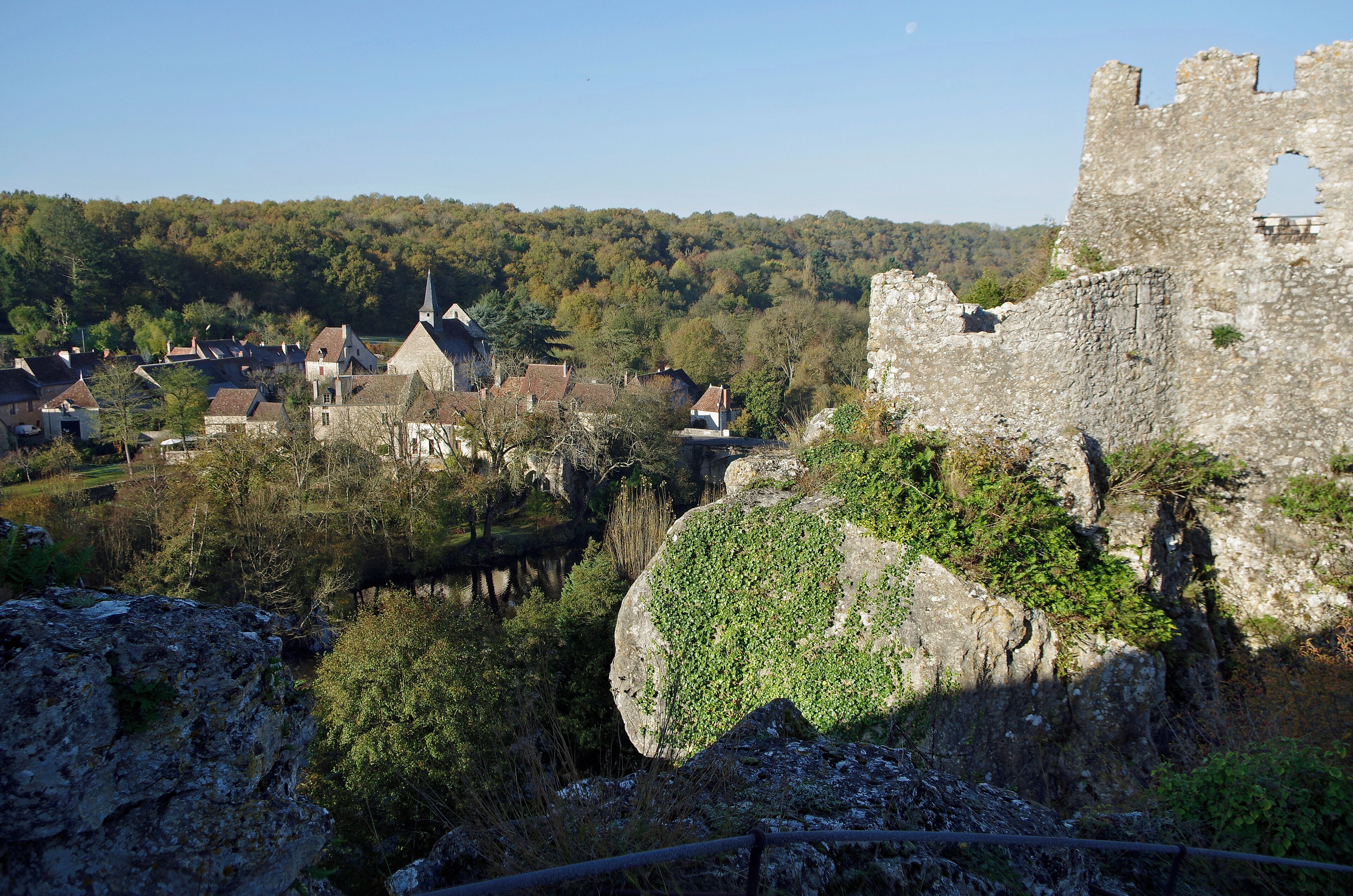
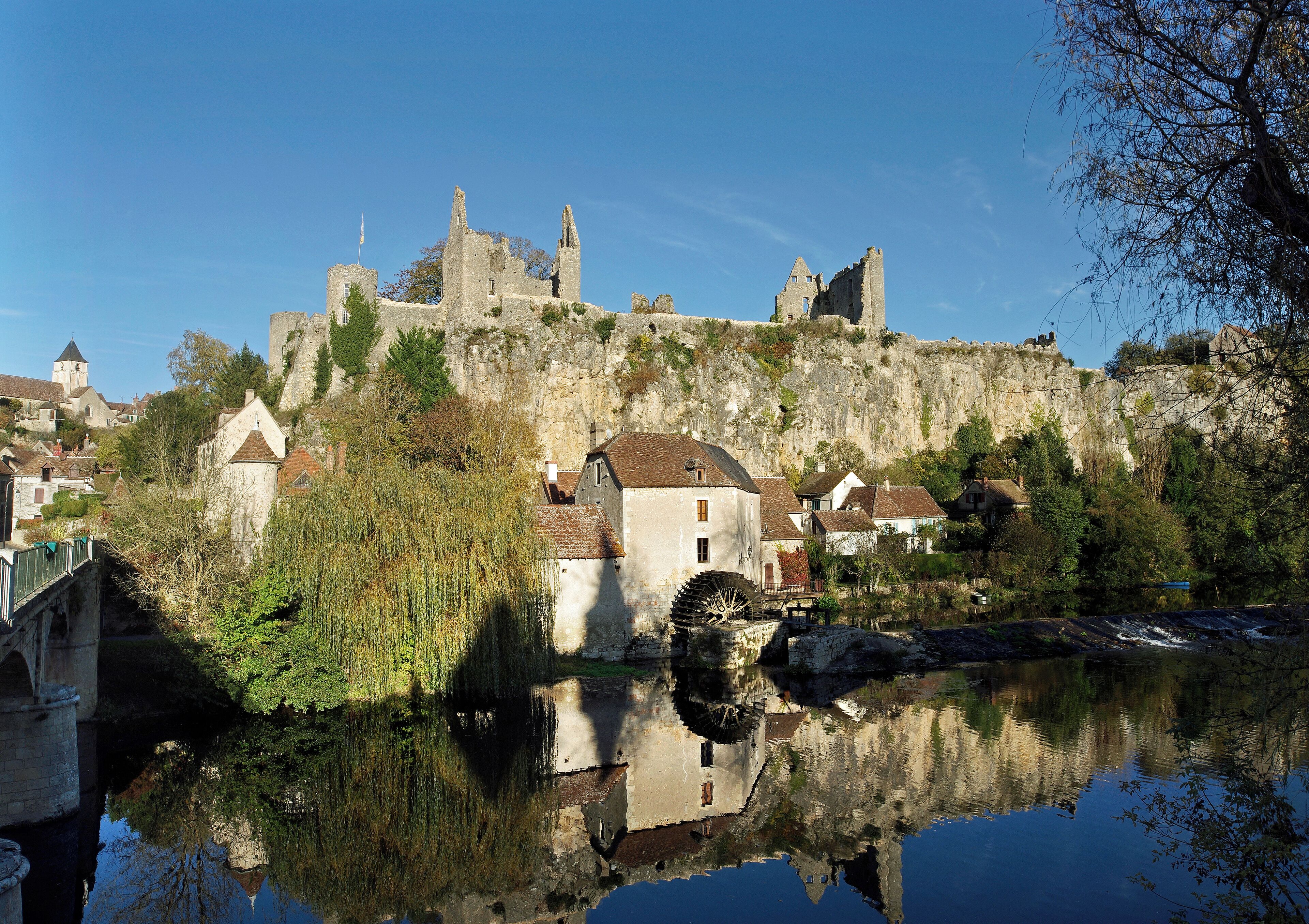
Angles-sur-l'Anglin (Vienne). La vallée de l'Anglin avec la ville basse, vue depuis le château médiéval.
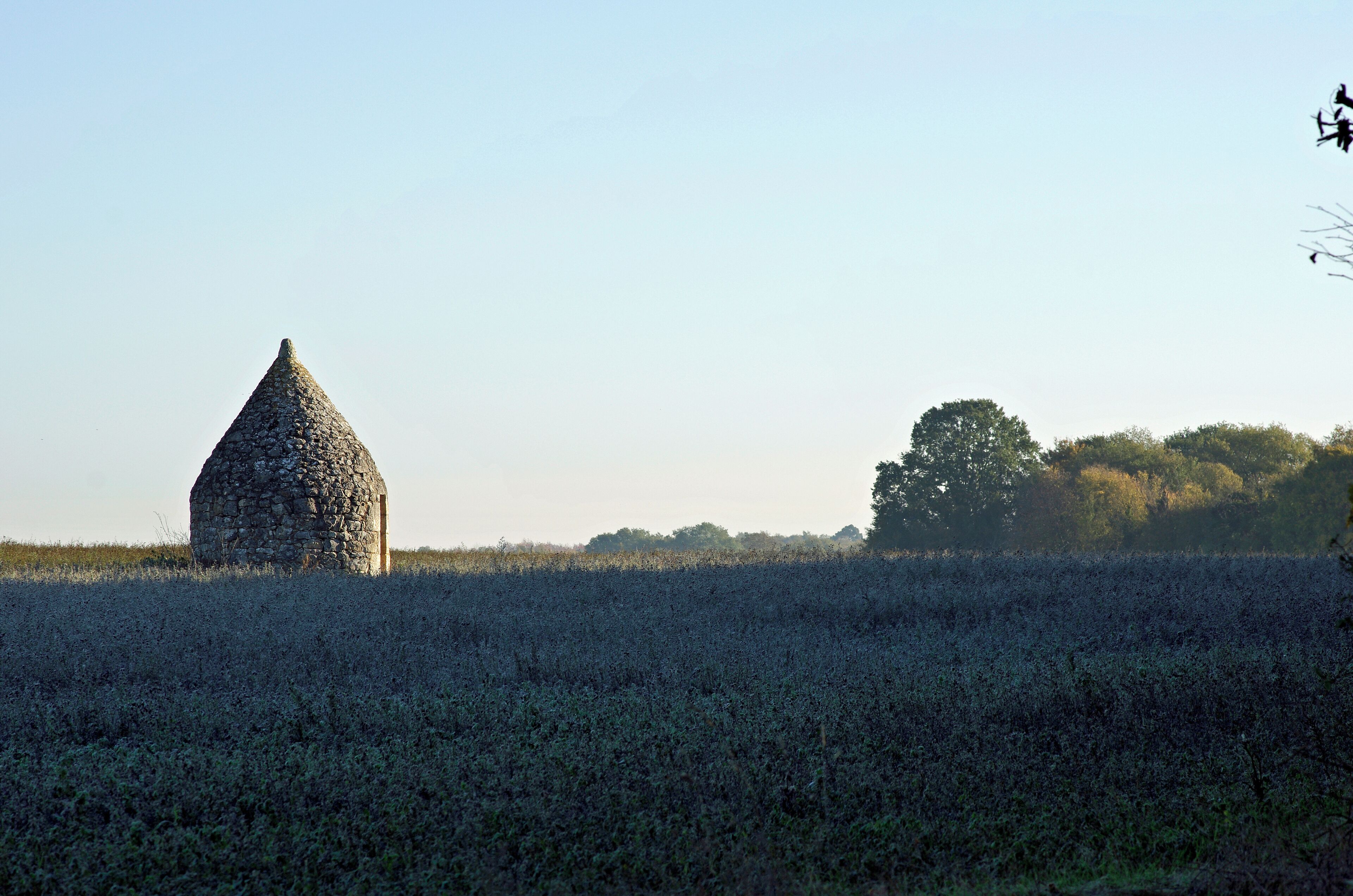
Angles-sur-l'Anglin (Vienne) Loge. les cabanes de pierres, en "pain de sucre", sont encore nombreuses autour d'Angles-sur-l'Anglin. Cette loge a vraisemblablement été restaurée. Ces loges se trouvaient au milieu des vignes, vignes qui peuvent avoir disparu aujourd'hui. Il est difficile de dater l'origine de ces loges, certaines pourraient remonter au néolithique, mais le développement de ces loges suit l'expansion de la culture de la vigne à partir du XVIIe siècle. inventaire.poitou-charentes.fr/operations/vals-de-gartemp...
Angles-sur-l'Anglin (Vienne). Le moulin situé au pied de la forteresse était en fait le moulin de l’abbaye réservé à l’usage des moines et des habitants de Sainte-Croix. A la Révolution, il fut vendu aux enchères comme bien du Clergé. Il eut plusieurs propriétaires et plusieurs fonctions : scierie, meule à grain… Il cessa toute activité vers 1968. Le château a été construit vers 1025 par Gilbert, évêque de Poitiers. Au début du XIIème siècle, il est la possession de la famille des Lusignan Au XIIIème, les Lusignan revendent le château à Gauthier de Bruges, évêque de Poitiers. Guichard d’Angle, né au château, participe à la bataille de Maupertuis en 1356. Par le traité de Brétigny, en 1360, il cède la forteresse aux Anglais. Elle est reprise par Du Guesclin en 1372. Au début du XVème, deux évêques remanient la forteresse. Hugues de Combarel fait édifier un logis d’habitation qui évoque déjà la Renaissance. Guillaume Gouges de Charpaigne poursuit son œuvre. A la fin du XVème siècle, Pierre d’Amboise fait construire la résidence épiscopale de Dissay qui est préférée à la châtellenie d’Angles. Pendant les guerres de religion, les protestants, avec Coligny, pillent le château et l'abbaye Sainte-Croix avant d’être battus à Moncontour. 50 ans plus tard, les partisans de la Fronde prennent la forteresse qui est reconquise en 1652 par le duc de Roannez, gouverneur du Poitou. En 1708, le parlement de Paris exempte les évêques de Poitiers de leur devoir d’entretien. En 1792, la forteresse, en ruine, est confisquée et la commune décide de l’utiliser comme carrière de pierres. Au XIXème siècle, elle est transformée en parcelles cultivables. En 1882, le château est acheté par le baron de Puynode, propriétaire du château des Certeaux. Sa veuve revend le château à la société des Antiquaires de l’ouest en 1921 qui le fait classer monument historique en 1926 avec l’Eglise Saint-Martin et les restes de l’abbaye Sainte-Croix. La commune rachète la forteresse pour le franc symbolique en 1986. Angles sur l'Anglin (Vienne). The mill at the foot of the fortress was in fact the mill of the abbey for the exclusive use of the monks and people of St. Croix. During the Revolution, it was sold at auction like many of the clergy. He had several owners and several functions: mill, grinding grain ... It ceased activity around 1968. The castle was built in 1025 by Gilbert, Bishop of Poitiers. In the early twelfth century, it is the possession of the family of Lusignan The thirteenth, the Lusignan sell the castle of Bruges Gauthier, Bishop of Poitiers. Guichard d'Angle, born in the castle, takes part in the battle of Maupertuis in 1356. By the treaty of Bretigny, in 1360, he sold the castle to the English. It is taken by Du Guesclin in 1372. At the beginning of the fifteenth, two bishops rework the fortress. Hugues de Combarel had built a dwelling house which already evokes the Renaissance. William Gouges Charpaigne of continuing his work.
 At the end of the fifteenth century, Pierre d'Amboise built the episcopal residence in Diss which is preferred to the manor of Angles. During the wars of religion, the Protestants, with Coligny, pillage the castle and the abbey Holy Cross before being beaten to Moncontour. 50 years later, supporters of the Fronde take the fortress that was conquered in 1652 by the Duke of Roannez, governor of Poitou. In 1708, the parliament of Paris free the bishops of Poitiers their duty to maintain. In 1792, the fortress in ruins, was confiscated and the municipality decides to use it as a stone quarry. In the nineteenth century, it is transformed into arable plots. In 1882, the castle was bought by Baron Puynode, owner of the castle of Certeau. His widow sold the castle to the Society of Antiquaries of the West in 1921 that makes it a historical monument in 1926 with the St. Martin's Church and the remains of the abbey of Sainte-Croix. The town bought the castle for one symbolic franc in 1986.