Deals on vacations and trips to Northeast Arizona
Save when you book Northeast Arizona package deals

Top Northeast Arizona hotels deals

The View Hotel
Indian Route 42 East Oljato-Monument Valley AZ
Stay at this hotel in Oljato-Monument Valley. Popular attractions Monument Valley Navajo Tribal Park and Wildcat Trailhead are located nearby.

Kayenta Monument Valley Inn
Junction Highway 160/Highway 163 Kayenta AZ
Free Cancellation
Reserve now, pay when you stay
$129 nightly
The price is $157 total per night
$157 total
Oct 16 - Oct 17
Total with taxes and fees
A restaurant and a 24-hour gym are featured at this hotel. Enjoy the seasonal outdoor pool and perks like free self parking and free WiFi. A terrace, a communal living room, and a picnic area are also on offer.
Pool
Pet friendly

Thunderbird Lodge
Route 7 Chinle AZ
Free Cancellation
Reserve now, pay when you stay
$92 nightly
The price is $104 total per night
$104 total
Oct 18 - Oct 19
Total with taxes and fees
This hotel doesn't skimp on freebies - guests receive free WiFi and free self parking. A restaurant is provided and the front desk is staffed around-the-clock.
Pet friendly
Parking included
Greentree Inn Holbrook
2596 E. Navajo Blvd Holbrook AZ
Free Cancellation
Reserve now, pay when you stay
$74 nightly
The price is $86 total per night
$86 total
Oct 21 - Oct 22
Total with taxes and fees
This motel doesn't skimp on freebies - guests receive free continental breakfast, free WiFi, and free self parking. Business travelers can take advantage of the business center. Enjoy the gym and conveniences like a 24-hour front desk and laundry facilities.
Breakfast included
Pet friendly

Clarion Pointe Winslow I-40
1701 N Park Dr Winslow AZ
Free Cancellation
$80 nightly
The price is $89 total per night
$89 total
Oct 18 - Oct 19
Total with taxes and fees
This hotel features an indoor pool and a hot tub. Traveling on business? Take advantage of the business center and free WiFi in public areas. Guests will appreciate freebies like buffet breakfast and free self parking.
Pool
Hot Tub

Navajoland Hotel of Tuba City
10 North Main Street Tuba City AZ
Free Cancellation
Reserve now, pay when you stay
$116 nightly
The price is $140 total per night
$140 total
Oct 22 - Oct 23
Total with taxes and fees
A restaurant and a 24-hour gym are featured at this hotel. Traveling on business? Take advantage of the business center and free WiFi in public areas. Enjoy the free cooked-to-order breakfast each morning.
Breakfast included
Pet friendly
Don't see what you're looking for?
See all available properties in Northeast Arizona
View all propertiesLowest nightly price found within the past 24 hours based on a 1 night stay for 2 adults. Prices and availability subject to change. Additional terms may apply.
Stay near popular Northeast Arizona attractions
Frequently asked questions
Photos of local treasures
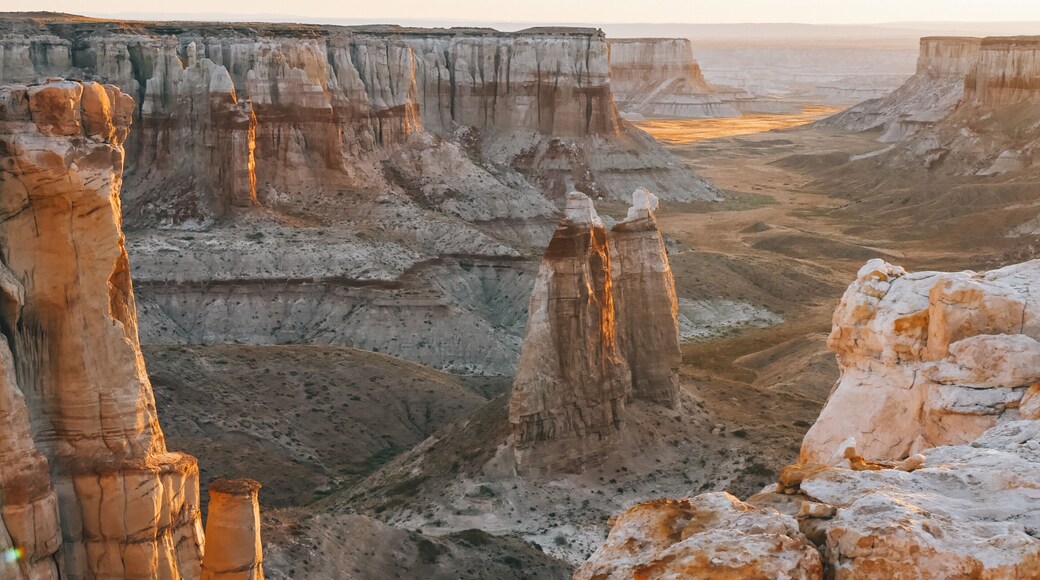
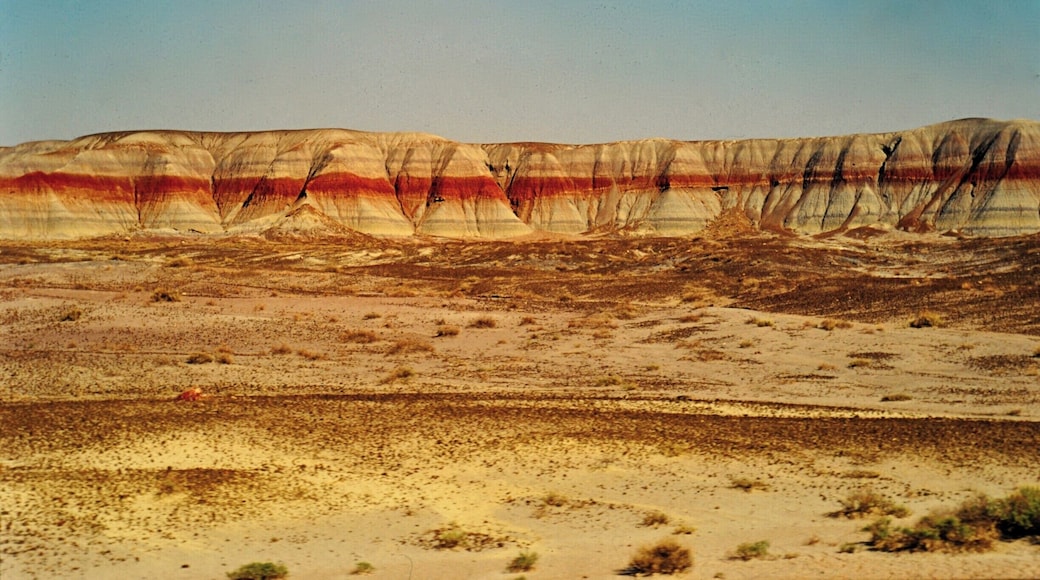
Browse Northeast Arizona vacation photos for more inspiration



Explore More Ways to Travel with Travelocity
- 3 Star Hotels in Chinle
- Hotels near Antelope House Overlook
- Hotels near Canyon De Chelly National Monument
- Aparthotels in Chinle
- Holiday Inn Canyon De Chelly by IHG
- Pet Friendly in Chinle
- Thunderbird Lodge
- Hotels in Chinle
- Privatevacationhomes in Chinle
- Cottages in Fort Defiance
- Aparthotels in Fort Defiance
- Guesthouses in Fort Defiance
- Aparthotels in Ganado
- Hotels in Ganado
- Motels in Ganado
- Hotels near Hubbell Trading Post
- Hotels near Hubbell Trading Post National Historic Site
- Kayenta Monument Valley Inn
- Pet Friendly in Kayenta
- Hotels in Kayenta
- Motels in Kayenta
- Hotels in Keams Canyon
- Motels in Keams Canyon
- Privatevacationhomes in Keams Canyon
- Hotels in Kykotsmovi Village
- Bedandbreakfast in Navajo County
- Privatevacationhomes in Navajo County
- Bedandbreakfast in Northeast Arizona
- Cabins in Northeast Arizona
- Aparthotels in Northeast Arizona
- Pet Friendly in Northeast Arizona
- Privatevacationhomes in Northeast Arizona
- Caravanparks in Northeast Arizona
- Agritourism in Northern Arizona
- Bedandbreakfast in Northern Arizona
- Cabins in Northern Arizona
- Chalets in Northern Arizona
- Condos in Northern Arizona
- Cottages in Northern Arizona
- Aparthotels in Northern Arizona
- Hostels in Northern Arizona
- Adults Only in Northern Arizona
- Recreation in Northern Arizona
- Beach in Northern Arizona
- Best Western in Northern Arizona
- Boutique in Northern Arizona
- Casino in Northern Arizona
- Budget in Northern Arizona
- Family Friendly in Northern Arizona
- LGBT Friendly in Northern Arizona
- Golf in Northern Arizona
- Hilton Hotels in Northern Arizona
- Lazy River in Northern Arizona
- Hot Tub in Northern Arizona
- Room Service in Northern Arizona
- Luxury in Northern Arizona
- Ocean View in Northern Arizona
- Pet Friendly in Northern Arizona
- Romantic in Northern Arizona
- Winery in Northern Arizona
- Lodges in Northern Arizona
- Motels in Northern Arizona
- Privatevacationhomes in Northern Arizona
- Ranches in Northern Arizona
- Resorts in Northern Arizona
- Caravanparks in Northern Arizona
- Safaritentalow in Northern Arizona
- Villas in Northern Arizona
- Hotels near Painted Desert
- Hotels in Pinon
- Hotels in Polacca
- Hopi Cultural Center
- Hotels in Second Mesa
- Hotels in Tsaile
- Hotels in Tsegi
- Hotels near Wheatfields Lake