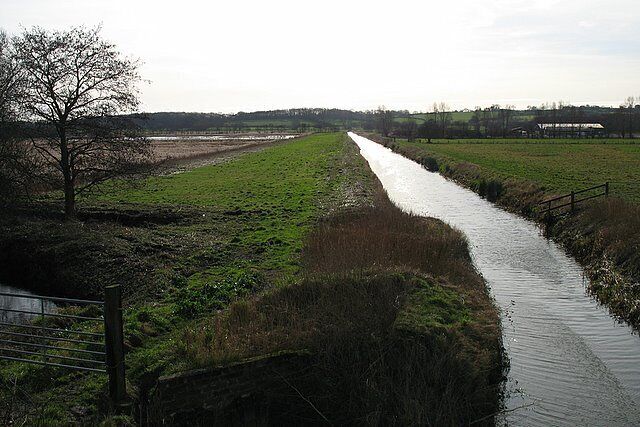
Reserva paquetes vacacionales exclusivos en Ashcott
Paquetes de vuelo y hotel en Ashcott
Precios encontrados en las últimas 48 horas. Haz clic en el anuncio para ver los precios actualizados.
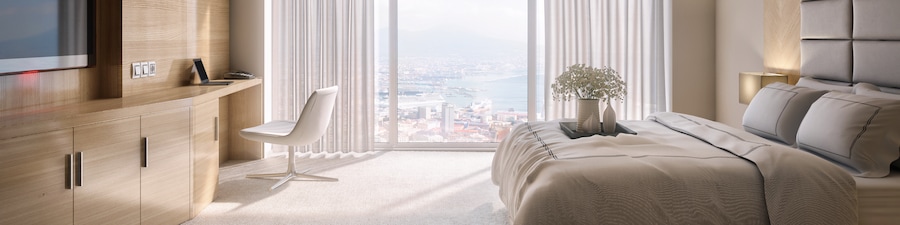
Tŷ Newport
Langstone
El precio era de $1,196 y ahora es de $1,143 por persona
$1,143
por persona
26 mar - 30 mar
precio hace 17 horas
Incl. vuelo redondo sin escalas
Detroit (DTW) a Bristol (BRS)
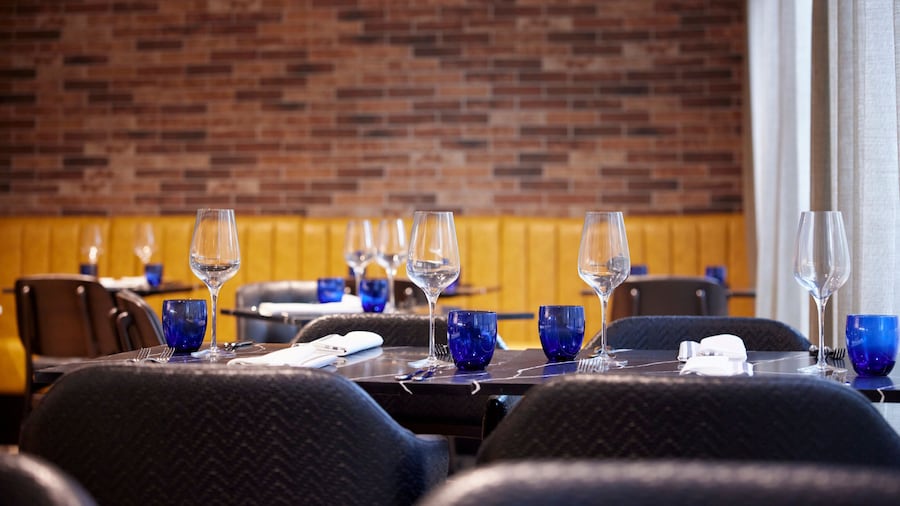
Este hotel tiene un restaurante y un bar o lounge. El wifi es gratis. Aquí también encontrarás estacionamiento y resguardo de equipaje en las instalaciones.
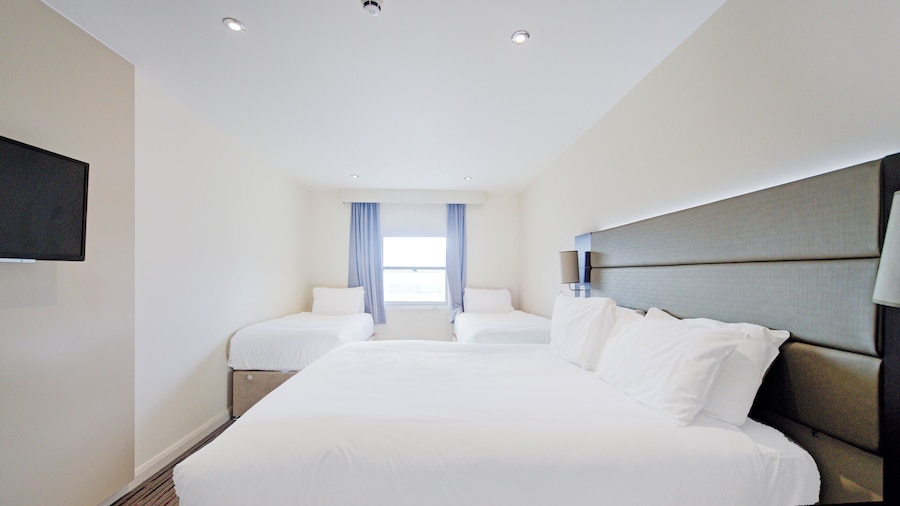
Belvilla Newport City Centre Hotel - Lifestyle
Newport City Centre
El precio era de $1,320 y ahora es de $1,172 por persona
$1,172
por persona
26 mar - 30 mar
precio hace 17 horas
Incl. vuelo redondo sin escalas
Detroit (DTW) a Bristol (BRS)
Este hotel cuenta con servicios y amenidades como wifi gratis en las áreas comunes. Aprovecha el desayuno continental gratis todos los días.

Celtic Manor Resort
El precio era de $1,564 y ahora es de $1,474 por persona
$1,474
por persona
26 mar - 30 mar
precio hace 17 horas
Incl. vuelo redondo sin escalas
Detroit (DTW) a Bristol (BRS)
Este hotel para no fumadores ofrece un campo de golf, un spa de servicio completo y 8 restaurantes. Ven con la familia y diviértanse con el campo de minigolf, el chapoteadero y las opciones de alimentos para niños. Prueba los platillos de cualquiera de sus 3 cafeterías y aprovecha cortesías como wifi y traslado por la zona.
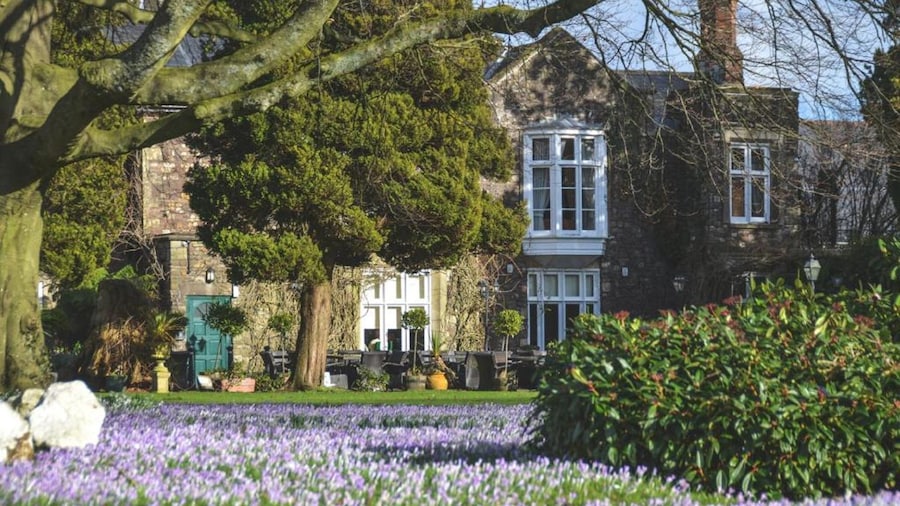
The Priory Hotel and Restaurant
Caerleon
El precio era de $1,298 y ahora es de $1,233 por persona
$1,233
por persona
26 mar - 30 mar
precio hace 17 horas
Incl. vuelo redondo sin escalas
Detroit (DTW) a Bristol (BRS)
Este hotel tiene un restaurante y un bar o lounge. Si viajas por trabajo, aprovecha el acceso a wifi gratis en las áreas comunes que encontrarás en esta propiedad. Aquí también contarás con estacionamiento gratis, una terraza y un jardín.
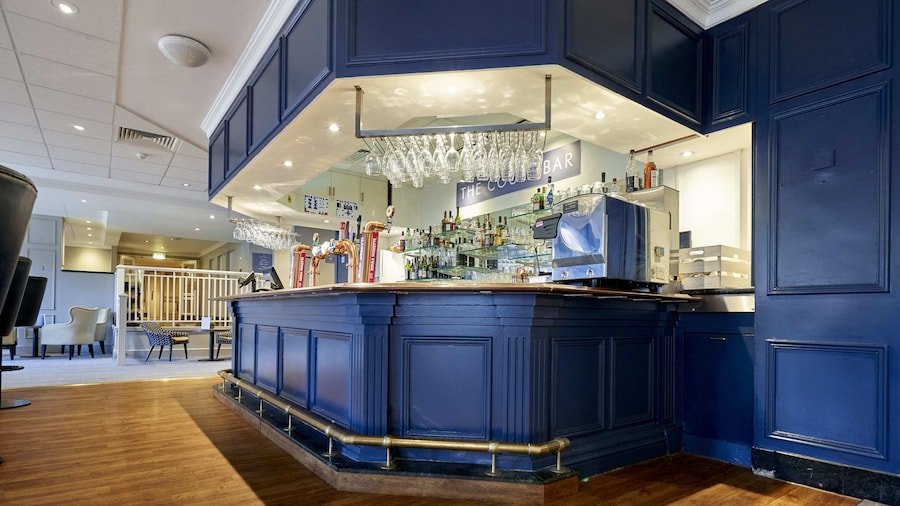
Coldra Court Hotel by Celtic Manor
Langstone
El precio era de $1,242 y ahora es de $1,183 por persona
$1,183
por persona
26 mar - 30 mar
precio hace 17 horas
Incl. vuelo redondo sin escalas
Detroit (DTW) a Bristol (BRS)
Este hotel cuenta con una alberca techada, un gimnasio y un restaurante. Pasa un rato agradable con su sauna y aprovecha beneficios como wifi gratis. La propiedad cuenta con un bar o lounge y servicio de recepción las 24 horas, además de ofrecer una lavandería.
Las mejores ofertas de hoteles en Ashcott

Hampton by Hilton Bristol Airport
Bristol Airport Bristol England
Cancelación gratuita
Reserva ahora y paga después
$130 por noche
El precio es de $156 en total por noche
$156 en total
29 ene. - 30 ene.
Total con impuestos y cargos
Este hotel cuenta con un restaurante, un gimnasio abierto las 24 horas y un bar o lounge. Hay un centro de negocios disponible las 24 horas, check-in exprés y espacio para conferencias por si tu viaje es de trabajo. Aprovecha el desayuno buffet gratis todos los días.
Desayuno incluido
Mascotas

DoubleTree by Hilton Hotel Bristol South - Cadbury House
Frost Hill Bristol England
Cancelación gratuita
Reserva ahora y paga después
$107 por noche
El precio es de $129 en total por noche
$129 en total
22 feb. - 23 feb.
Total con impuestos y cargos
En este hotel encontrarás un spa de servicio completo, 2 tinas de hidromasaje y un restaurante. Si viajas por trabajo, aprovecha el acceso a wifi gratis en las áreas comunes que encontrarás en esta propiedad. En las instalaciones encontrarás una alberca techada y un bar o lounge, además de servicio de recepción las 24 horas.
Alberca
Tina de hidromasaje
Sidcot Arms
Bridgwater Rd Winscombe England
Cancelación gratuita
Reserva ahora y paga después
$62 por noche
El precio es de $75 en total por noche
$75 en total
25 ene. - 26 ene.
Total con impuestos y cargos
Este hotel cuenta con servicios y amenidades como wifi gratis en las áreas comunes. Si tienes planes de viajar con tu amigo de cuatro patas, esta propiedad pet friendly te ofrece todo lo que necesitas para consentirlo, como platos de comida y agua y área para mascotas sin correa. Aprovecha al máximo servicios como estacionamiento gratis.
Mascotas
Estacionamiento incluido
Holiday Inn Taunton by IHG
Deane Gate Avenue Taunton England
Cancelación gratuita
$57 por noche
El precio es de $68 en total por noche
$68 en total
22 feb. - 23 feb.
Total con impuestos y cargos
Este hotel cuenta con un restaurante, una alberca techada y un bar o lounge. Hay un centro de negocios y wifi gratis por si tu viaje es de trabajo. Pasa un rato agradable con su gimnasio y aprovecha beneficios como estacionamiento gratis.
Alberca
Estacionamiento incluido
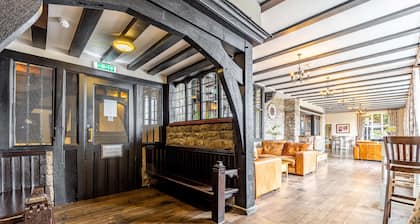
Best Western Webbington Hotel & Spa
Webbington Road Axbridge England
Cancelación gratuita
Reserva ahora y paga después
$50 por noche
El precio es de $60 en total por noche
$60 en total
1 feb. - 2 feb.
Total con impuestos y cargos
En este hotel encontrarás un spa de servicio completo, una alberca techada y un restaurante. Hay un centro de negocios y wifi gratis por si tu viaje es de trabajo. Pasa un rato agradable con su gimnasio y aprovecha beneficios como estacionamiento gratis.
Alberca
Spa

The Royal Hotel
1 South Parade Weston-super-Mare England
Cancelación gratuita
Reserva ahora y paga después
$79 por noche
El precio es de $95 en total por noche
$95 en total
22 feb. - 23 feb.
Total con impuestos y cargos
Este hotel tiene un restaurante y un bar o lounge. Hay un centro de negocios y wifi gratis por si tu viaje es de trabajo. Aquí también contarás con estacionamiento gratis, un jardín y un salón de belleza.
Estacionamiento incluido
Wifi gratis
¿No encuentras lo que buscas?
Ve todas las propiedades disponibles en Ashcott
Ver todas las propiedadesPrecio más bajo por noche encontrado en las últimas 24 horas, con base en una estancia de 1 noche para 2 adultos. Los precios y la disponibilidad están sujetos a cambios. Aplican términos adicionales.
Sitios más populares para visitar
Jardines amurallados de Cannington
Conéctate con la naturaleza en Jardines amurallados de Cannington, un espacio verde imperdible de Cannington. Descubre los sabores de la zona en sus propuestas para salidas nocturnas y sus increíbles restaurantes.
Nether Stowey & Holford
Para saber más sobre la historia de East Quantoxhead, solo tienes que pasar por Nether Stowey & Holford. Descubre el sabor de esta zona tranquila en sus increíbles restaurantes y sus propuestas para salidas nocturnas.
Coleridge Cottage
Conocerás de cerca la historia de Nether Stowey con una visita a Coleridge Cottage. Descubre los sabores de la zona en sus increíbles restaurantes y sus propuestas para salidas nocturnas.
Fotos de tesoros locales
Explora las fotos de Ashcott y déjate inspirar para tus próximas vacaciones