

Deals on vacations and trips to Albemarle County
Save when you book Albemarle County, VA package deals

Search vacation packages deals in Albemarle County's top destinations
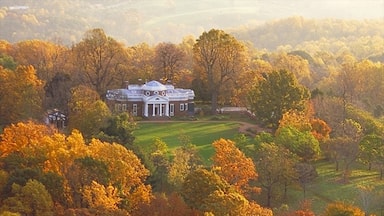
Charlottesville
Vacations
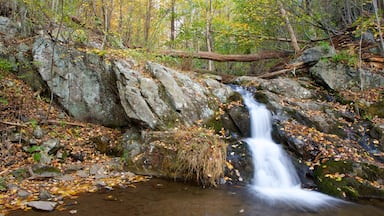

Albemarle County flight + hotel vacation packages
Price found within the past 48 hours. Click for updated prices.

Valley Extended Suites
Price was $1,176, price is now $896 per person
$896
per person
Nov 20 - Nov 22
found 17 hours ago
Roundtrip non-stop flight included
Richmond (RIC) to Weyers Cave (SHD)
This apartment doesn't skimp on freebies - guests receive free WiFi and free self parking. Free parking, express check-out, and a computer station are also offered.
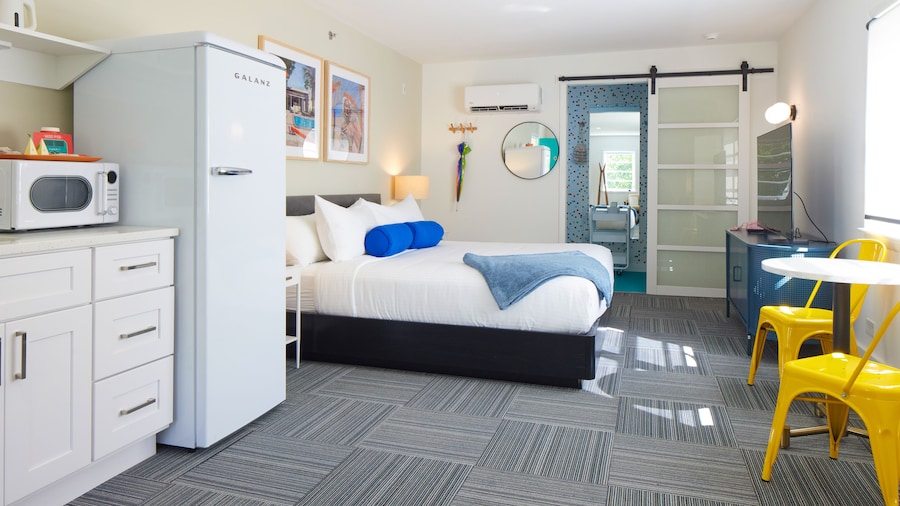
Little Mod Hotel at the University
Venable
Price was $1,456, price is now $1,060 per person
$1,060
per person
Nov 20 - Nov 22
found 1 day ago
Roundtrip non-stop flight included
Richmond (RIC) to Charlottesville (CHO)
This hotel features a restaurant, free WiFi in public areas, and a picnic area. If you want to take your pet along, this pet-friendly property offers everything you'll need for your pet including food and water bowls. Express check-in and express check-out are also provided.

Oakhurst Inn at the University
Jefferson Park Avenue
Price was $1,600, price is now $1,181 per person
$1,181
per person
Nov 20 - Nov 22
found 1 day ago
Roundtrip non-stop flight included
Richmond (RIC) to Charlottesville (CHO)
This hotel features a restaurant, an outdoor pool, and a bar/lounge. Traveling on business? Take advantage of the free WiFi in public areas, express check-out, and valet parking. Enjoy the sauna and conveniences like a 24-hour front desk and concierge services.

English Inn of Charlottesville
The Meadows
Price was $1,380, price is now $1,032 per person
$1,032
per person
Nov 20 - Nov 22
found 1 day ago
Roundtrip non-stop flight included
Richmond (RIC) to Charlottesville (CHO)
This hotel features an indoor pool and a 24-hour gym. Traveling on business? Take advantage of the 24-hour business center and free WiFi in public areas. Guests will appreciate freebies like buffet breakfast and free self parking.

The Doyle Hotel
Starr Hill
Price was $1,862, price is now $1,401 per person
$1,401
per person
Nov 20 - Nov 22
found 1 day ago
Roundtrip non-stop flight included
Richmond (RIC) to Charlottesville (CHO)
This smoke-free hotel's 2 restaurants, 2 bars/lounges, and gym are some of the featured amenities. Traveling on business? Take advantage of the business center and free WiFi in public areas. A coffee shop, a terrace, and a picnic area are also on offer.
Top Albemarle County hotels deals
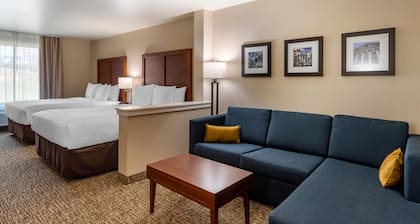
Comfort Inn & Suites Charlottesville Hollymead Town Center
1615 Timberwood Blvd Charlottesville VA
Free Cancellation
$88 nightly
The price is $100 total per night
$100 total
Nov 8 - Nov 9
Total with taxes and fees
This hotel doesn't skimp on freebies - guests receive free buffet breakfast, free WiFi, and free self parking. Business travelers can take advantage of the business center. Enjoy the gym and conveniences like a 24-hour front desk and laundry facilities.

Super 8 by Wyndham Charlottesville
390 Greenbrier Dr Charlottesville VA
Free Cancellation
Reserve now, pay when you stay
$75 nightly
The price is $85 total per night
$85 total
Nov 1 - Nov 2
Total with taxes and fees
This motel doesn't skimp on freebies - guests receive free WiFi and free self parking. Staff at the 24-hour front desk can provide around-the-clock assistance.
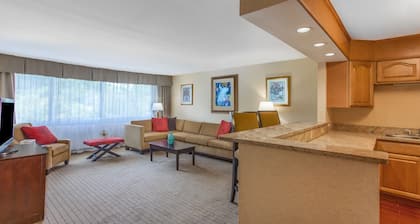
Holiday Inn Charlottesville-Monticello by IHG
1200 5th St. SW Charlottesville VA
Free Cancellation
$91 nightly
The price is $104 total per night
$104 total
Nov 16 - Nov 17
Total with taxes and fees
This hotel features a restaurant, an outdoor pool, and a bar/lounge. Traveling on business? Take advantage of the 24-hour business center and free WiFi in public areas. Enjoy the gym and perks like free self parking.

DoubleTree by Hilton Hotel Charlottesville
990 Hilton Heights Rd Charlottesville VA
Free Cancellation
Reserve now, pay when you stay
$102 nightly
The price is $116 total per night
$116 total
Oct 25 - Oct 26
Total with taxes and fees
This hotel features a restaurant, an indoor pool, and a bar/lounge. Traveling on business? Take advantage of the free WiFi in public areas, express check-in, and free airport shuttle. There's a 24-hour gym on site, and concierge services and wedding services are also offered.

Boar's Head Resort
200 Ednam Drive Charlottesville VA
$297 nightly
The price is $340 total per night
$340 total
Oct 25 - Oct 26
Total with taxes and fees
This luxury hotel features a golf course, a full-service spa, and 2 restaurants. There's fun for all ages with a children's club and a children's pool, and families will appreciate the onsite laundry facilities. Enjoy the 3 outdoor pools and perks like free self parking and free WiFi.
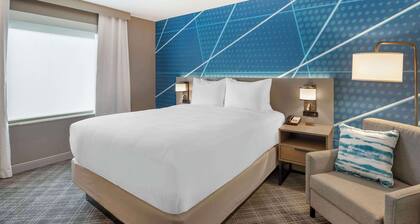
Comfort Inn Monticello
2097 Inn Dr Charlottesville VA
Free Cancellation
$76 nightly
The price is $86 total per night
$86 total
Nov 10 - Nov 11
Total with taxes and fees
This hotel doesn't skimp on freebies - guests receive free buffet breakfast, free WiFi, and free self parking. Traveling on business? Take advantage of the 24-hour business center and free internet in public areas. There's a seasonal outdoor pool on site, and a 24-hour front desk and express check-out are also provided.
Don't see what you're looking for?
See all available properties in Albemarle County
View all propertiesLowest nightly price found within the past 24 hours based on a 1 night stay for 2 adults. Prices and availability subject to change. Additional terms may apply.
Stay near popular Albemarle County attractions
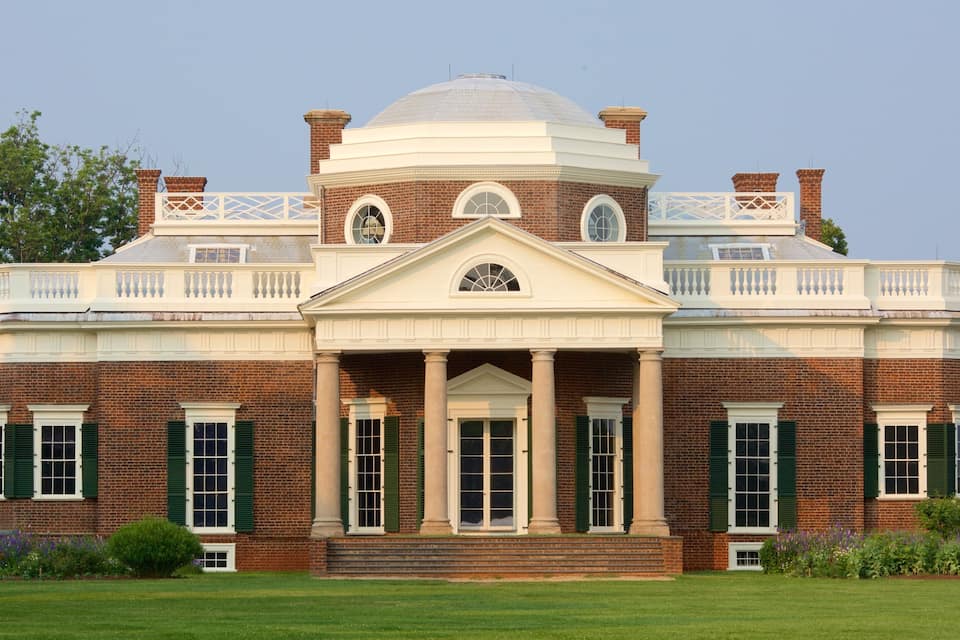
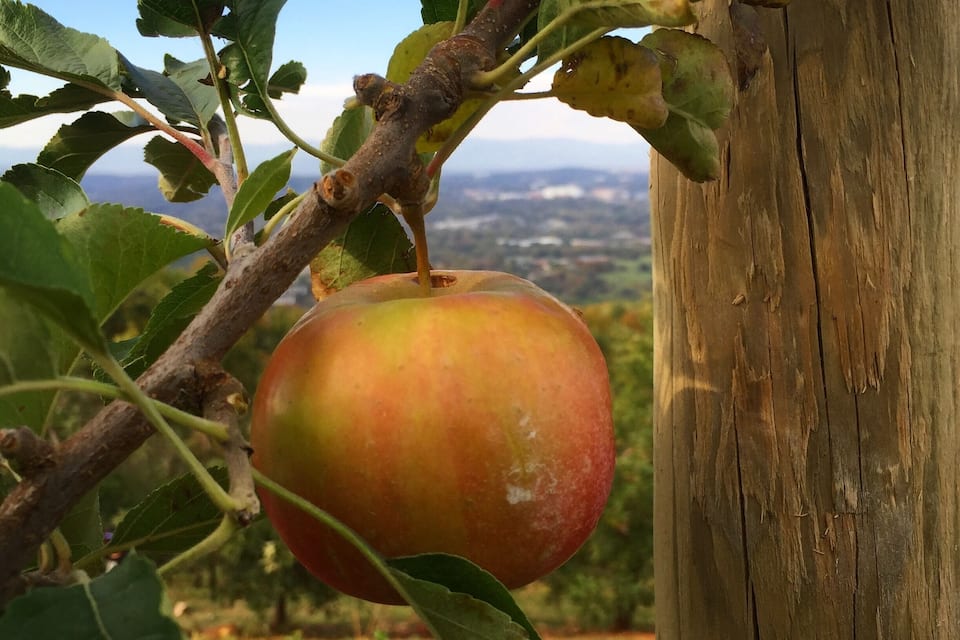
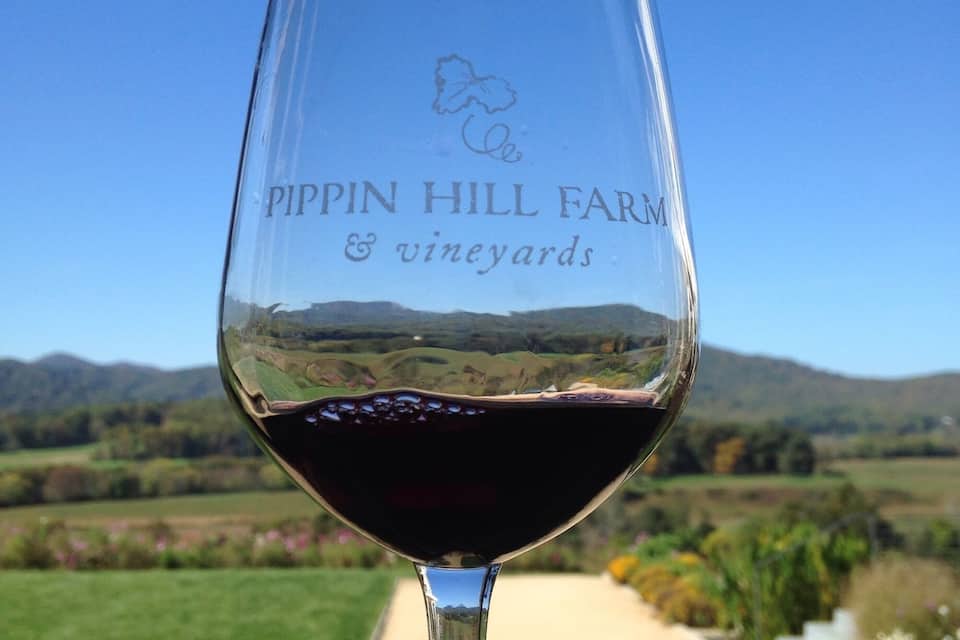

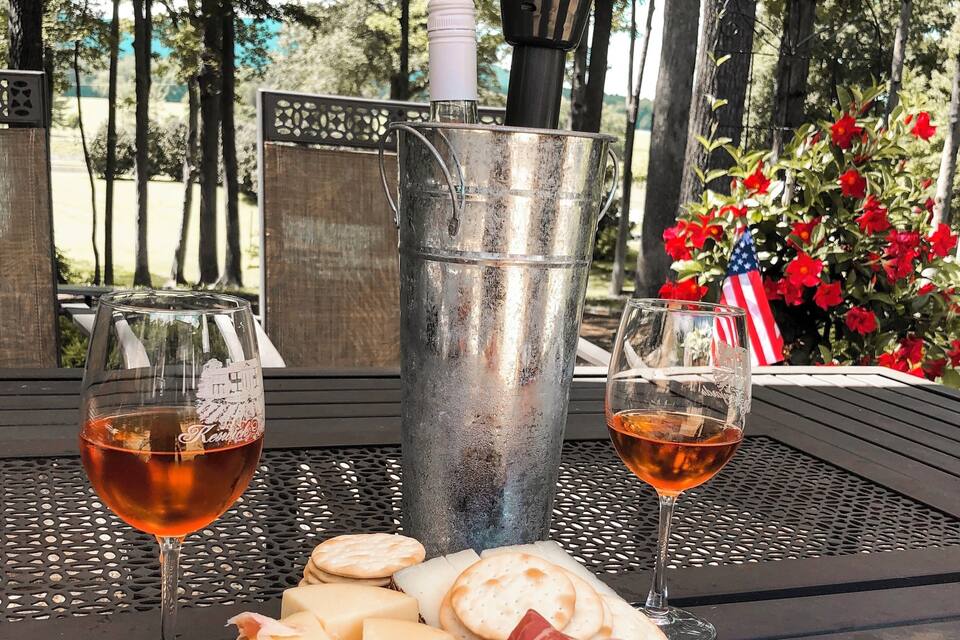
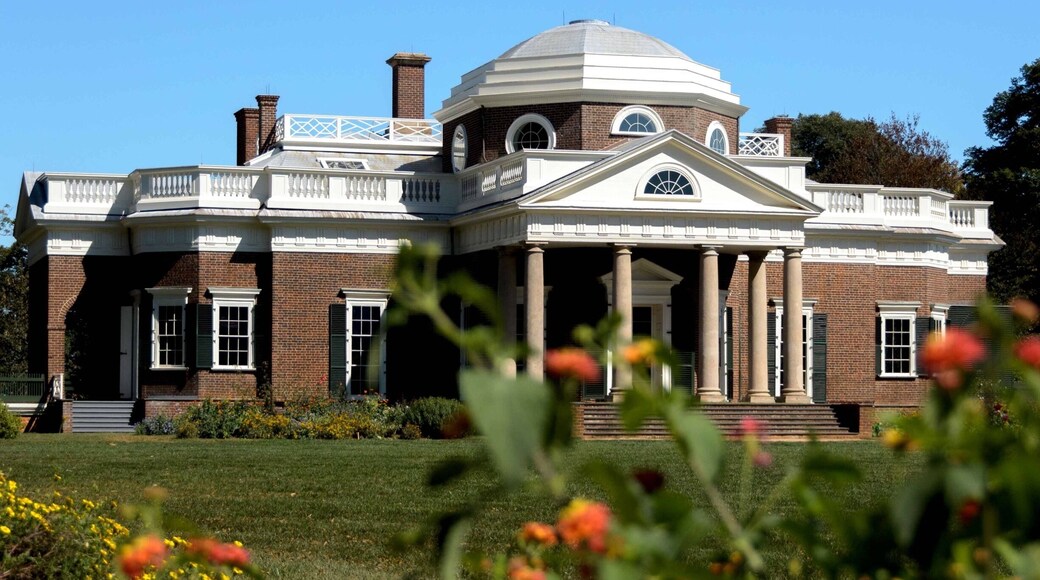
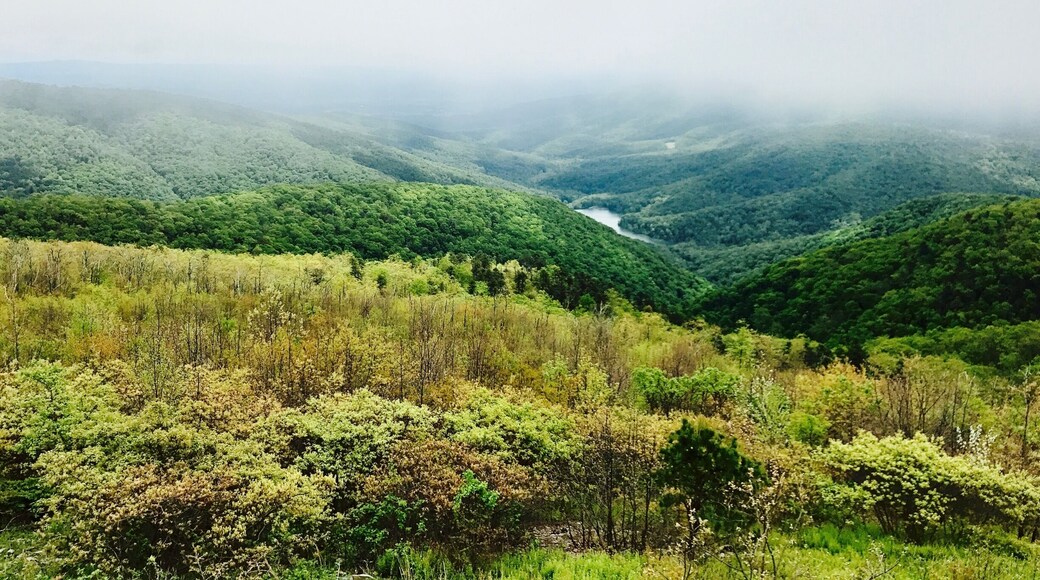
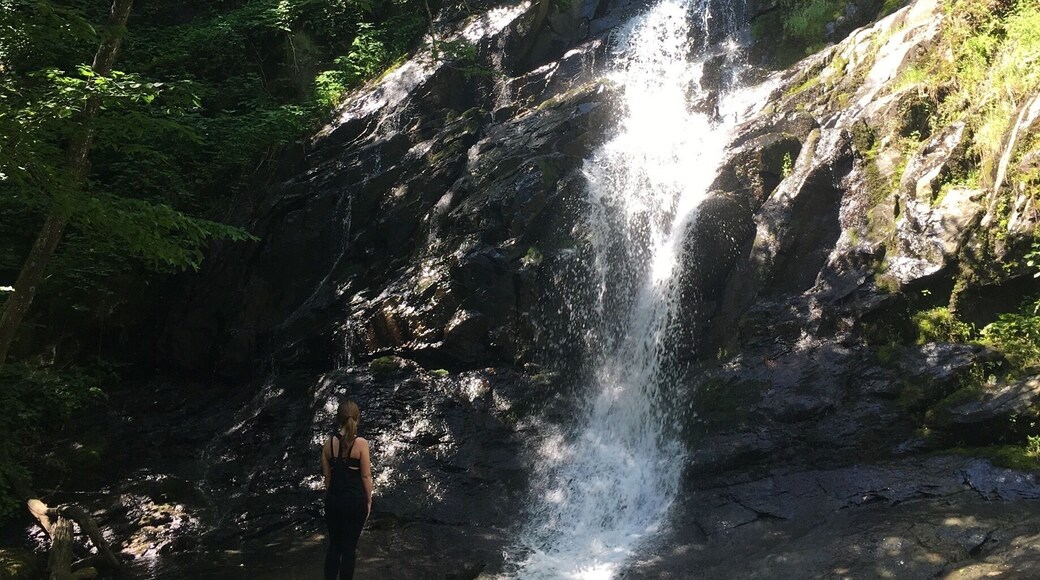
Photos of local treasures
Browse Albemarle County vacation photos for more inspiration
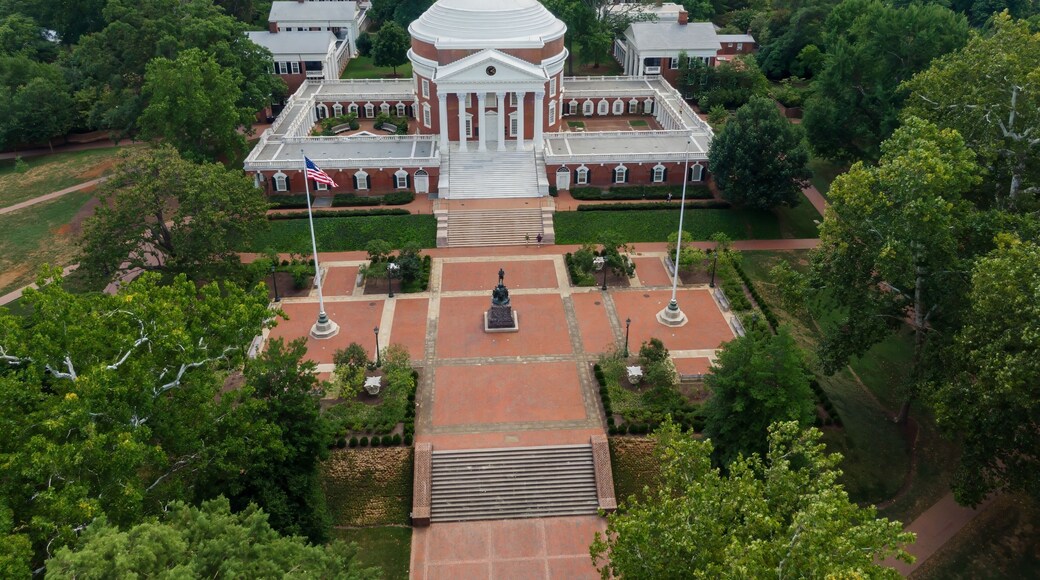
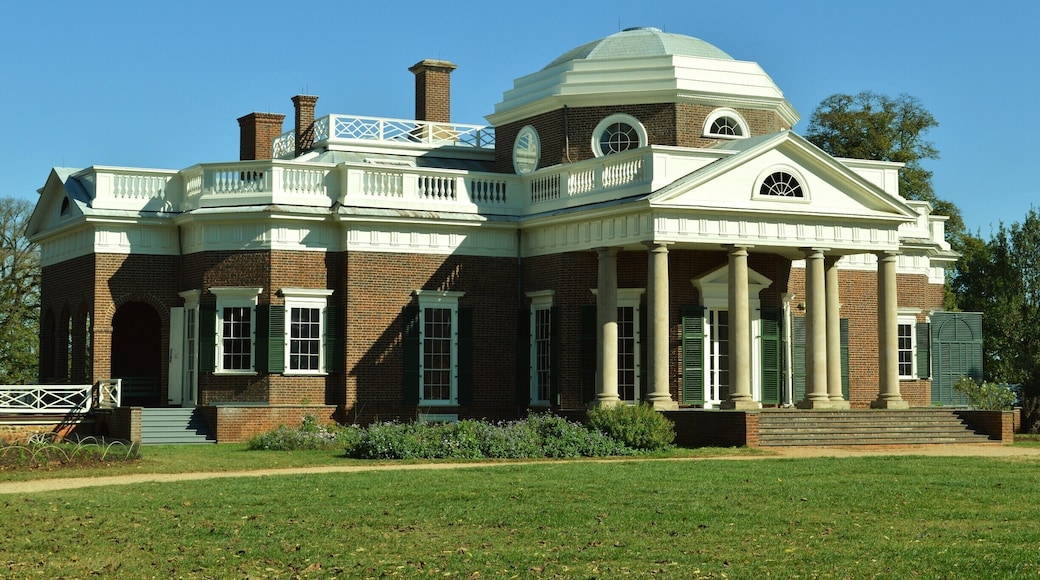
Frequently asked questions
Book a vacation to Albemarle County
Explore More Ways to Travel with Travelocity
- Hotels in Afton
- Inns in Albemarle County
- Hotels near Blue Ridge Parkway North Entrance
- Hotels near Carter Mountain Orchard
- Hotels near Charlottesville VA
- Bedandbreakfast in Charlottesville
- Aparthotels in Charlottesville
- Boar's Head Resort
- Boutique in Charlottesville
- Budget in Charlottesville
- English Inn of Charlottesville
- Graduate by Hilton Charlottesville
- Free Airport Transportation in Charlottesville
- Hot Tub in Charlottesville
- Indoor Pool in Charlottesville
- Kimpton The Forum Hotel by IHG
- Oakhurst Inn at the University
- Omni Charlottesville Hotel
- Pet Friendly in Charlottesville
- The Doyle Hotel
- Winery in Charlottesville
- Hotels in Charlottesville
- Motels in Charlottesville
- Bedandbreakfast in Crozet
- Cabins in Crozet
- Pet Friendly in Crozet
- Winery in Crozet
- Hotels in Crozet
- Hotels near Downtown Mall
- Hotels in Earlysville
- Hotels in Elkton
- Hotels in Harrisonburg
- Ivy Hotels
- Hotels near James Madison University
- Hotels near John Paul Jones Arena
- Hotels near King Family Vineyards
- Hotels in Lexington
- Hotels near Luray Caverns
- Hotels in Luray
- Hotels in Lynchburg
- Hotels in Massanutten
- Hotels near Monticello
- Hotels near Rockfish Gap Entrance Shenandoah
- Hotels near Shenandoah National Park
- Hotel 24 South
- Hotels in Staunton
- Hotels near The Jefferson Theater
- Hotels near Trump Winery
- Hotels near University of Virginia Hospital
- Hotels near University of Virginia
- Hotels in Waynesboro
- Cottages in White Hall
- Hotels near Wintergreen Resort
- Flights to Charlottesville
- Flights from Charlottesville VA
- Flights from Weyers Cave VA
- Delta Air Lines Atlanta (ATL) to Charlottesville (CHO) flights
- Flights from Latham (ALB) to Charlottesville (CHO)
- Flights from Boston (BOS) to Charlottesville (CHO)
- Flights from Denver (DEN) to Charlottesville (CHO)
- Flights from Flushing (LGA) to Charlottesville (CHO)
- Flights from Kansas City (MCI) to Charlottesville (CHO)
- Flights from Chicago (ORD) to Charlottesville (CHO)
- Flights from San Juan (SJU) to Charlottesville (CHO)
- Afton Mountain Vineyards Vacations
- Bold Rock Hard Cider Nellysford Cidery Vacations
- Carter Mountain Orchard Vacations
- Charlottesville Vacations
- Culpeper Vacations
- Dukes of Hazzard Museum Vacations
- Harrisonburg Vacations
- James Madison University Vacations
- Luray Caverns Vacations
- Luray Vacations
- Massanutten Resort Vacations
- Massanutten Water Park Vacations
- Monticello Vacations
- P Buckley Moss Gallery Vacations
- Palmyra Vacations
- Schuyler Vacations
- Shenandoah National Park Vacations
- Showalter Orchard & Greenhouse Vacations
- Skyland Vacations
- State Farm Vacations
- Staunton Vacations
- Swift Run Gap Entrance Shenandoah Vacations
- Syria Vacations
- Trump Winery Vacations
- Walton's Mountain Museum Vacations
- Waynesboro Vacations
- Weyers Cave Vacations
- Wintergreen Resort Vacations
- Wintergreen Vacations