
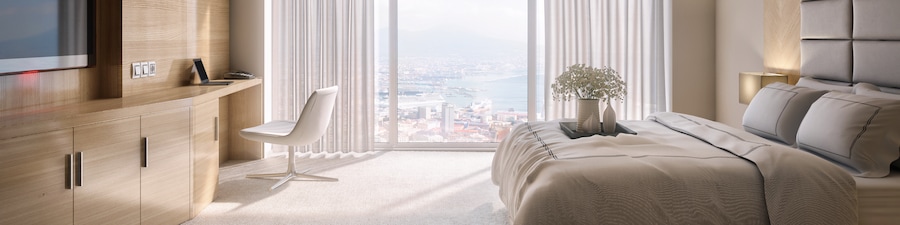
Deals on vacations and trips to 17th Arrondissement

17th Arrondissement flight + hotel vacation packages
Price found within the past 48 hours. Click for updated prices.

Hotel de Seine
Saint-Germain-des-Prés
Save 100% on your flight
Price was $2,048, price is now $1,365 per person
$1,365
per person
May 19 - May 22
found 5 hours ago
Roundtrip non-stop flight included
New York (JFK) to Paris (CDG)
This hotel features a bar/lounge, free WiFi in public areas, and dry cleaning. Traveling on business? Take advantage of the 24-hour business center and airport pick-up service. Luggage storage, concierge services, and free newspapers are also on offer.
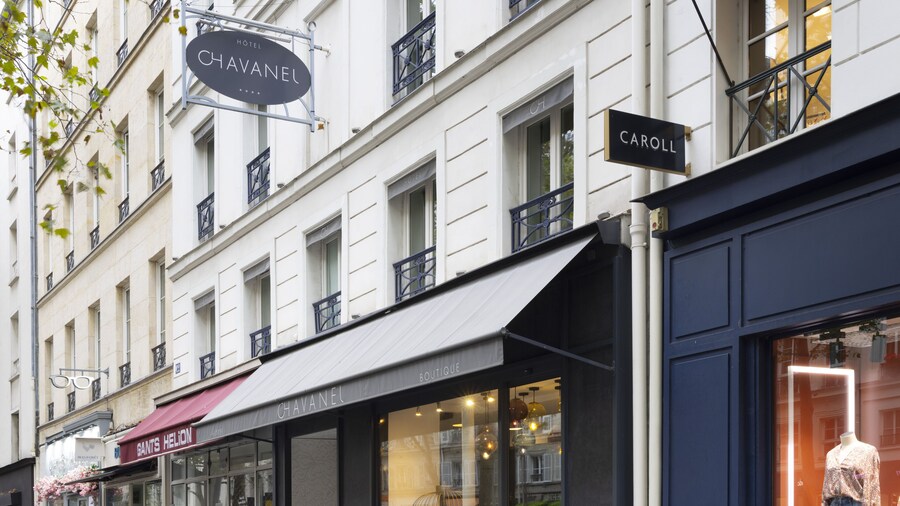
Hotel Chavanel Paris
8th Arrondissement
Save 100% on your flight
Price was $3,102, price is now $1,830 per person
$1,830
per person
May 19 - May 25
found 1 day ago
Roundtrip non-stop flight included
Boston (BOS) to Paris (CDG)
Free WiFi in public areas, dry cleaning, and luggage storage are available at this hotel. There's a safe deposit box and multilingual staff can provide around-the-clock assistance.
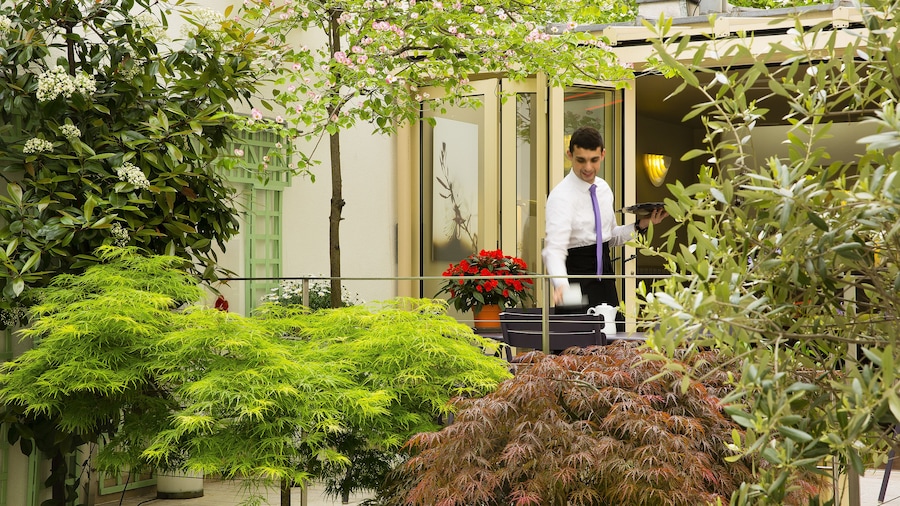
Hôtel Mistral
Montparnasse
Save 100% on your flight
Price was $2,407, price is now $1,553 per person
$1,553
per person
May 19 - May 25
found 1 day ago
Roundtrip non-stop flight included
Boston (BOS) to Paris (CDG)
This hotel features a bar/lounge, free WiFi in public areas, and a terrace. Traveling on business? Take advantage of the airport shuttle and free internet in public areas. A garden, a library, and a computer station are also on offer.

Hôtel Brittany Opéra
9th Arrondissement
Save 100% on your flight
Price was $2,524, price is now $1,632 per person
$1,632
per person
May 19 - May 25
found 1 day ago
Roundtrip non-stop flight included
Boston (BOS) to Paris (CDG)
This hotel features a bar/lounge, free WiFi in public areas, and express check-in. Families will appreciate the onsite laundry facilities and babysitting. If you want to take your pet along, this pet-friendly property offers everything you'll need for your pet including food and water bowls.

CARD Hôtel
17th Arrondissement
Save 100% on your flight
Price was $2,790, price is now $1,853 per person
$1,853
per person
May 19 - May 25
found 1 day ago
Roundtrip non-stop flight included
Boston (BOS) to Paris (CDG)
This hotel features a 24-hour gym and a bar/lounge. Business travelers can take advantage of the free WiFi in public areas. Self parking, a garden, and a snack bar/deli are also offered.
Top 17th Arrondissement hotels deals

Hyatt Regency Paris Etoile
3, Place du Général Kœnig Paris Paris
Free Cancellation
Reserve now, pay when you stay
$231 nightly
The price is $274 total per night
$274 total
Mar 29 - Mar 30
Total with taxes and fees
This hotel features a restaurant, a 24-hour gym, and a bar/lounge. Traveling on business? Take advantage of the business center and free WiFi in public areas. A coffee shop, limo/town car service, and a snack bar/deli are also on offer.
Pet friendly
Free WiFi
Le Méridien Paris Arc De Triomphe
81 Boulevard Gouvion Saint-cyr Paris Paris
Free Cancellation
Reserve now, pay when you stay
$168 nightly
The price is $205 total per night
$205 total
Mar 27 - Mar 28
Total with taxes and fees
This hotel features a restaurant, a 24-hour gym, and a bar/lounge. Traveling on business? Take advantage of the business center and free WiFi in public areas. Self parking, a coffee shop, and a terrace are also offered.
Pet friendly
Free WiFi
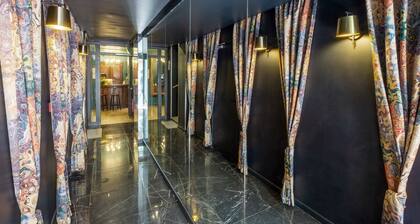
HOTEL MAAT ETOILE
5 Rue Poncelet Paris Paris
$84 nightly
The price is $100 total per night
$100 total
Apr 19 - Apr 20
Total with taxes and fees
This hotel features free WiFi in public areas, luggage storage, and concierge services. Staff at the 24-hour front desk can provide around-the-clock assistance.
Free WiFi
Breakfast available
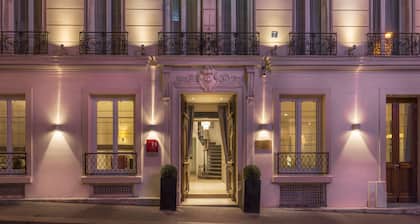
Hotel Magda Champs Elysées
7 Rue Troyon Paris Paris
Free Cancellation
Reserve now, pay when you stay
This hotel features a bar/lounge, free WiFi in public areas, and a terrace. If you want to take your pet along, this pet-friendly property offers everything you'll need for your pet including food and water bowls. Express check-in, express check-out, and dry cleaning are also on offer.
Pet friendly
Free WiFi

B&B HOTEL Paris 17 Batignolles
4 Boulevard Berthier Paris
$93 nightly
The price is $115 total per night
$115 total
Apr 19 - Apr 20
Total with taxes and fees
A restaurant and a bar/lounge are featured at this hotel. Traveling on business? Take advantage of the business center, free WiFi in public areas, and airport shuttle. A coffee shop, a terrace, and a snack bar/deli are also on offer.
Pet friendly
Free WiFi

Hôtel Regent's Garden - Astotel
6 Rue Pierre Demours Paris Paris
Free Cancellation
Reserve now, pay when you stay
$143 nightly
The price is $176 total per night
$176 total
Apr 19 - Apr 20
Total with taxes and fees
Free WiFi in public areas, a terrace, and a garden are available at this hotel. Business travelers can take advantage of the laundry service. A computer station, luggage storage, and laundry facilities are also on offer.
Free WiFi
Air conditioning
Don't see what you're looking for?
See all available properties in 17th Arrondissement
View all propertiesLowest nightly price found within the past 24 hours based on a 1 night stay for 2 adults. Prices and availability subject to change. Additional terms may apply.
Popular places to visit

Palais des Congrès de Paris
4.5/5(138 reviews)
Learn about the events happening at Palais des Congrès de Paris during your trip to Paris. Discover the acclaimed theater scene and stunning cathedral in this vibrant area.

Square des Batignolles
4/5(1 review)
After visiting Square des Batignolles, make a plan to see the other sights and activities in Paris. Experience the acclaimed theater scene and fascinating museums in this vibrant area.
Place de Clichy
3.5/5(5 reviews)
You can learn about the history of Paris with a trip to Place de Clichy. Visit the stunning cathedral and notable monuments in this vibrant area.
Frequently asked questions
Photos of local treasures
Browse 17th Arrondissement vacation photos for more inspiration


