Reserva paquetes vacacionales exclusivos en Surakarta
Las mejores ofertas de hoteles en Surakarta

Alila Solo, Java
Jl. Slamet Riyadi No. 562 Surakarta Central Java
Cancelación gratuita
Reserva ahora y paga después
$68 por noche
El precio es de $75 en total por noche
$75 en total
11 may. - 12 may.
Total con impuestos y cargos
En este hotel de lujo encontrarás un spa de servicio completo, un gimnasio abierto las 24 horas y un restaurante. Ven con la familia y diviértanse con el club infantil gratuito, el chapoteadero y el área de juegos infantiles. Pasa un rato agradable con su alberca al aire libre y aprovecha beneficios como estacionamiento gratis y wifi gratis.

Moxy Solo
Jl. Slamet Riyadi No.173, Kemlayan Surakarta Central Java
Cancelación gratuita
Reserva ahora y paga después
$34 por noche
El precio es de $38 en total por noche
$38 en total
12 may. - 13 may.
Total con impuestos y cargos
Este hotel cuenta con un restaurante, una alberca al aire libre y un bar o lounge. Sus huéspedes aprovechan cortesías como estacionamiento gratis y wifi. También hay una cafetería, un snack bar o deli y resguardo de equipaje.
Alberca
Estacionamiento incluido
Novotel Solo
Jalan Slamet Riyadi 272 Surakarta Central Java
Cancelación gratuita
Reserva ahora y paga después
$31 por noche
El precio es de $34 en total por noche
$34 en total
7 may. - 8 may.
Total con impuestos y cargos
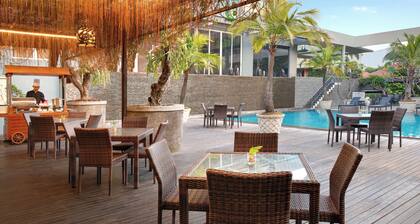
En este hotel, además de un entorno 100% libre de humo de cigarro, encontrarás un spa de servicio completo, 2 albercas al aire libre y una tina de hidromasaje. Aquí encontrarás un club infantil gratuito y un chapoteadero para la diversión de toda la familia, al igual que un área con asadores. Prueba los platillos de su restaurante y aprovecha beneficios como estacionamiento gratis y wifi gratis.
The Royal Surakarta Heritage - Handwritten Collection
Jalan Slamet Riyadi No. 06 Surakarta Central Java
$30 por noche
El precio es de $33 en total por noche
$33 en total
9 may. - 10 may.
Total con impuestos y cargos
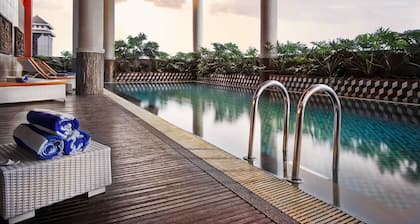
En este hotel, además de un entorno 100% libre de humo de cigarro, encontrarás un spa de servicio completo, una alberca al aire libre y un restaurante. Hay un centro de negocios, wifi gratis en las áreas comunes y traslado desde/hacia el aeropuerto por si tu viaje es de trabajo. Pasa un rato agradable con su gimnasio y aprovecha beneficios como valet parking gratis.
Swiss-Belhotel Solo
Jalan Ahmad Yani 45 Surakarta Jawa Tengah
Cancelación gratuita
Reserva ahora y paga después
$37 por noche
El precio es de $41 en total por noche
$41 en total
4 jun. - 5 jun.
Total con impuestos y cargos
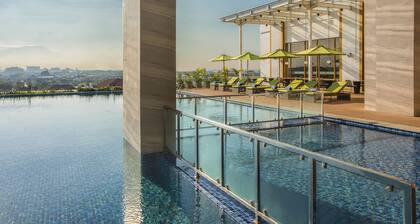
En este hotel encontrarás un spa de servicio completo, una alberca al aire libre y un restaurante. Hay un centro de negocios, wifi gratis en las áreas comunes y traslado desde/hacia el aeropuerto por si tu viaje es de trabajo. Pasa un rato agradable con su gimnasio y aprovecha beneficios como estacionamiento gratis.
Alberca
Spa

Pose in Solo by Wstay
Jl. Monginsidi No.125 Surakarta Central Java
$18 por noche
El precio es de $19 en total por noche
$19 en total
6 may. - 7 may.
Total con impuestos y cargos
Este hotel cuenta con un restaurante, una alberca techada y un bar o lounge. Hay un centro de negocios, wifi gratis en las áreas comunes y traslado desde/hacia el aeropuerto por si tu viaje es de trabajo. Aquí también contarás con estacionamiento gratis, check-in exprés y servicio de lavandería o tintorería.
Alberca
Estacionamiento incluido
¿No encuentras lo que buscas?
Ve todas las propiedades disponibles en Surakarta
Ver todas las propiedadesPrecio más bajo por noche encontrado en las últimas 24 horas, con base en una estancia de 1 noche para 2 adultos. Los precios y la disponibilidad están sujetos a cambios. Aplican términos adicionales.
Sitios más populares para visitar
Universidad Sebelas Maret
Haz un tour por el campus o simplemente recorre la zona de Universidad Sebelas Maret cuando visites Surakarta. Esta zona con una rica herencia cultural es perfecta para deleitarte con los musicales.
Solo Paragon Lifestyle Mall (centro comercial)
En tu viaje a Surakarta, podrás deleitarte con las tiendas de Solo Paragon Lifestyle Mall (centro comercial). Esta zona con una rica herencia cultural te invita a recorrer sus museos interesantes y deleitarte con los musicales.
Universidad Muhammadiyah de Surakarta
Conocerás de cerca la historia de Kartosuro cuando visites Universidad Muhammadiyah de Surakarta.
Las mejores zonas para hospedarse en Surakarta
- Te dará mucho gusto saber todo lo que hay por ver y hacer en Banjarsari. Inicia tus paseos en Museo y biblioteca Radya Pustaka. ¿Quién sabe hacia dónde irás después? Cuando se trata de opciones de hospedaje, tendrás muchas alternativas. Revisa lo que ofrecen D'Paragon Sumber, Omah Sinten Heritage Hotel & Resto y Loji Hotel Solo. Con seguridad, encontrarás algo que se ajuste a lo que buscas.
- Hay muchas opciones cuando se trata de lugares para quedarse y cosas por ver y hacer en Laweyan. Recarga tus baterías en Front One Boutique Brani Solo, Pop! Hotel Solo o en RedDoorz Premium near Solo Grand Mall. Así, estarás lleno de energía para explorar extraordinarias atracciones, tales como Danar Hadi, Sriwedari Amusement Park y Centro comercial Solo Square.
- Si estás buscando un lugar que amen tanto tú como tus hijos, elige Centro de la ciudad de Solo. Emocionantes atracciones para toda la familia, como Palacio Mangkunegaran, con seguridad mantendrán a los más pequeños ocupados. Una vez que se hayan divertido hasta cansarse, acuéstalos a dormir en De Solo Boutique Hotel, Kusuma Sahid Prince Hotel o en Omah Sinten Heritage Hotel & Resto antes de que termines tu día con una o dos copas de vino.
- Es muy fácil entender porqué los fanáticos del arte regresan a Colomadu a explorar sus atracciones artísticas, como Centro de turismo y patrimonio educativo De' Tjolomadoe. ¿No sabes dónde llegar a descansar por la noche? Ramada Suites by Wyndham Solo, SADINAH SAHID JOSODIPURO HOTEL y Grand Laguna Hotel & Villa son de las opciones más recomendadas.
- Por su carácter y personalidad tan especiales, Manahan es una excelente opción si buscas quedarte en la ciudad. Pasa tu días conociendo las populares atracciones locales y tus noches descansando en un lugar cómodo, como Simple Inn Solo o Dinasty Smart Hotel.
Fotos de tesoros locales
Explora las fotos de Surakarta y déjate inspirar para tus próximas vacaciones