Reserva paquetes vacacionales exclusivos en Pantego
Paquetes de vuelo y hotel en Pantego
Precios encontrados en las últimas 48 horas. Haz clic en el anuncio para ver los precios actualizados.
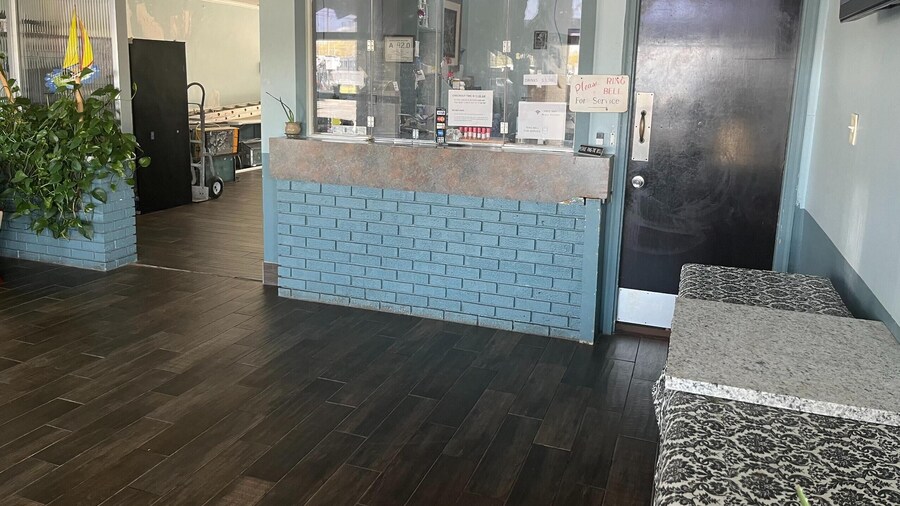
Washington Motel By OYO
El precio era de $529 y ahora es de $468 por persona
$468
por persona
16 jun - 20 jun
precio hace 1 día
Incl. vuelo redondo sin escalas
Nueva Orleans (MSY) a Greenville (PGV)
Este hotel ofrece servicios en cortesía a sus huéspedes, entre ellos wifi gratis y valet parking gratis. Si viajas por trabajo, aprovecha el centro de negocios que encontrarás en esta propiedad. Aquí contarás con recepción disponible las 24 horas y estacionamiento gratis.
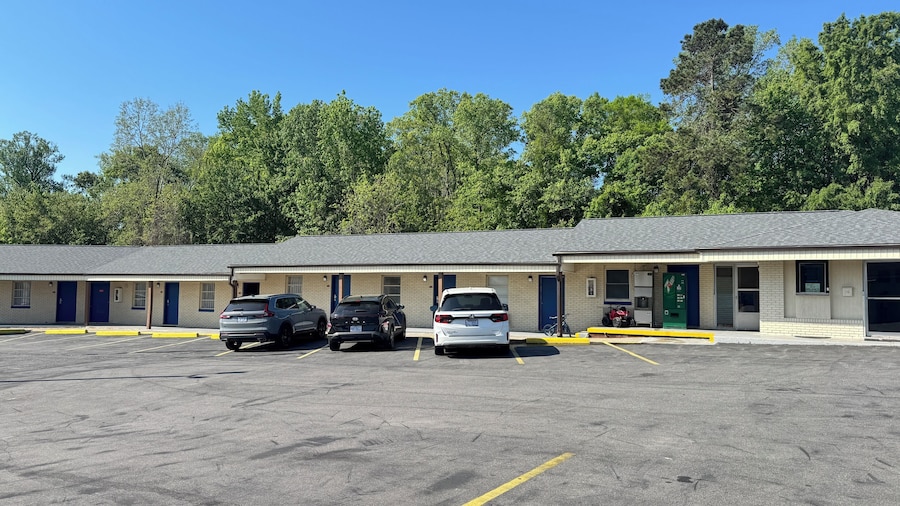
Williamston Inn NC Near Greenville US 64
El precio era de $577 y ahora es de $509 por persona
$509
por persona
16 jun - 20 jun
precio hace 1 día
Incl. vuelo redondo sin escalas
Nueva Orleans (MSY) a Greenville (PGV)
Entre los servicios y amenidades de este motel, además de estacionamiento gratis, encontrarás un restaurante y servicio de recepción las 24 horas. El wifi es gratis. Para tu comodidad, cuenta con una lavandería.

Super 8 by Wyndham Greenville
El precio era de $570 y ahora es de $524 por persona
$524
por persona
16 jun - 20 jun
precio hace 1 día
Incl. vuelo redondo sin escalas
Nueva Orleans (MSY) a Greenville (PGV)
Este motel ofrece servicios en cortesía a sus huéspedes, entre ellos desayuno para llevar gratuito, wifi gratis y estacionamiento gratis. Si viajas por trabajo, aprovecha el centro de negocios que encontrarás en esta propiedad. Hay una alberca al aire libre por temporada y servicio de recepción las 24 horas, además de una terraza.
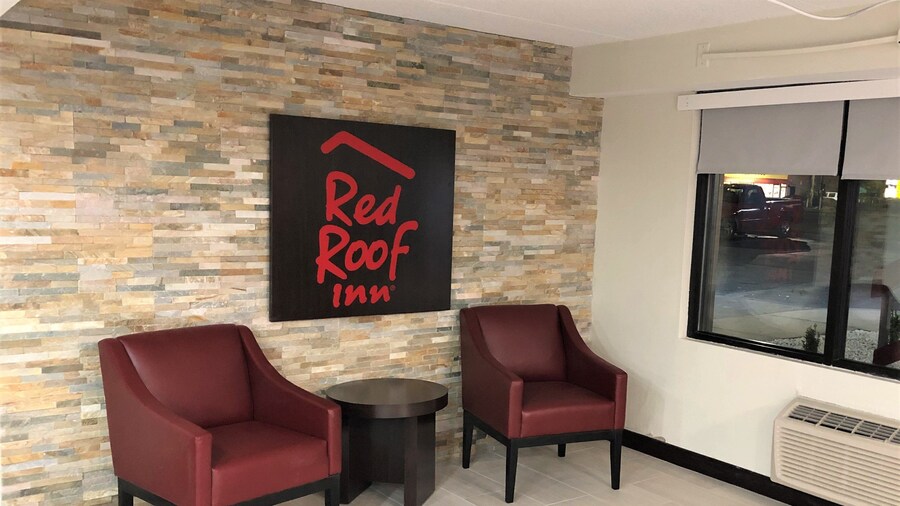
Red Roof Inn Greenville, NC
El precio era de $533 y ahora es de $499 por persona
$499
por persona
16 jun - 20 jun
precio hace 1 día
Incl. vuelo redondo sin escalas
Nueva Orleans (MSY) a Greenville (PGV)
Este hotel ofrece servicios en cortesía a sus huéspedes, entre ellos wifi gratis y estacionamiento gratis. La recepción está disponible las 24 horas.
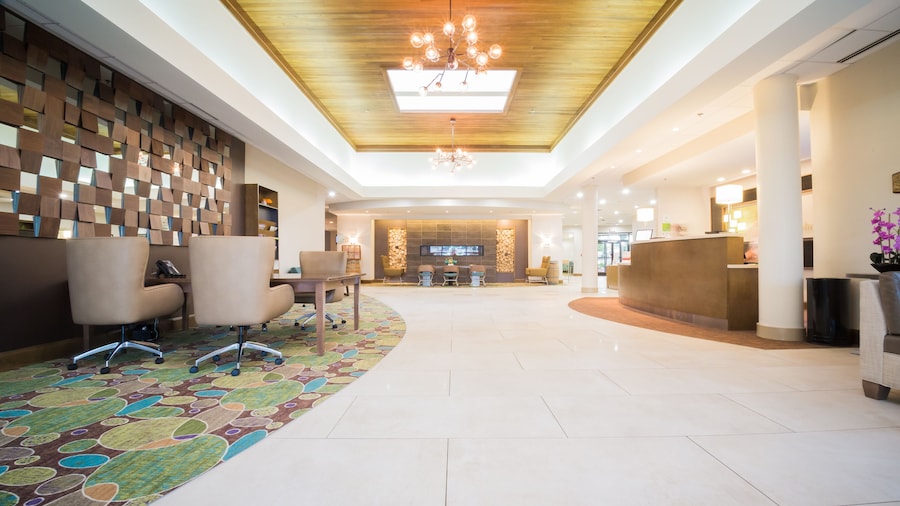
Holiday Inn Greenville by IHG
Convention District
El precio era de $807 y ahora es de $757 por persona
$757
por persona
16 jun - 20 jun
precio hace 1 día
Incl. vuelo redondo sin escalas
Nueva Orleans (MSY) a Greenville (PGV)
Este hotel cuenta con un restaurante, un gimnasio y un bar o lounge. Hay un centro de negocios y wifi gratis por si tu viaje es de trabajo. Pasa un rato agradable con su alberca al aire libre por temporada y aprovecha beneficios como estacionamiento gratis.
Las mejores ofertas de hoteles en Pantego

Fairfield Inn and Suites by Marriott Washington
2090 West 15th Street Washington NC
Cancelación gratuita
Reserva ahora y paga después
$114 por noche
El precio es de $128 en total por noche
$128 en total
10 may. - 11 may.
Total con impuestos y cargos
Este hotel cuenta con una alberca techada y un gimnasio abierto las 24 horas. Hay un centro de negocios y wifi gratis por si tu viaje es de trabajo. Sus huéspedes aprovechan cortesías como desayuno buffet y estacionamiento gratis.
Alberca
Desayuno incluido

Quality Inn Williamston
102 East Boulevard Williamston NC
Cancelación gratuita
$72 por noche
El precio es de $82 en total por noche
$82 en total
2 jun. - 3 jun.
Total con impuestos y cargos
Además de ofrecer estacionamiento gratis, este hotel cuenta con un gimnasio. Los huéspedes aprovechan beneficios como desayuno continental y wifi. Encontrarás una caja de seguridad, al igual que atención las 24 horas en recepción.
Desayuno incluido
Mascotas
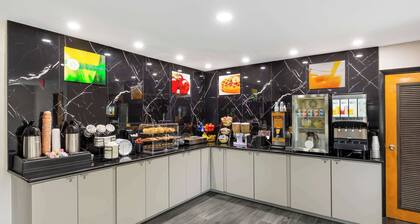
Quality Inn Washington NC
1636 Carolina Ave Washington NC
Cancelación gratuita
$76 por noche
El precio es de $85 en total por noche
$85 en total
1 jun. - 2 jun.
Total con impuestos y cargos
Este hotel cuenta con una alberca al aire libre y un gimnasio. Hay un centro de negocios y wifi gratis por si tu viaje es de trabajo. Sus huéspedes aprovechan cortesías como desayuno buffet y estacionamiento gratis.
Alberca
Desayuno incluido

Hampton Inn Washington
2085 W 15th St Washington NC
Cancelación gratuita
Reserva ahora y paga después
$122 por noche
El precio es de $130 en total por noche
$130 en total
10 may. - 11 may.
Total con impuestos y cargos
Este hotel cuenta con una alberca techada y un gimnasio. Hay un centro de negocios y wifi gratis por si tu viaje es de trabajo. Pasa un rato agradable con su tina de hidromasaje y aprovecha cortesías como desayuno buffet y estacionamiento gratis.
Alberca
Tina de hidromasaje

Days Inn by Wyndham Washington
916 Carolina Ave Washington NC
Cancelación gratuita
Reserva ahora y paga después
$67 por noche
El precio es de $75 en total por noche
$75 en total
5 may. - 6 may.
Total con impuestos y cargos
Este motel ofrece servicios en cortesía a sus huéspedes, entre ellos wifi gratis y estacionamiento gratis. Si viajas por trabajo, aprovecha el centro de negocios que encontrarás en esta propiedad. Disfruta de su alberca al aire libre y otras comodidades, entre ellas servicio de recepción las 24 horas y periódicos gratis.
Alberca
Mascotas
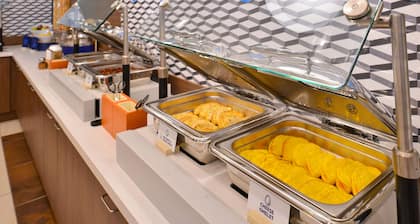
Holiday Inn Express Plymouth by IHG
840 Us Highway 64 W Plymouth NC
Cancelación gratuita
$97 por noche
El precio es de $110 en total por noche
$110 en total
10 may. - 11 may.
Total con impuestos y cargos
Este hotel cuenta con una alberca al aire libre y un gimnasio. Hay un centro de negocios y wifi gratis por si tu viaje es de trabajo. Pasa un rato agradable con su tina de hidromasaje y aprovecha cortesías como desayuno buffet y estacionamiento gratis.
Alberca
Tina de hidromasaje
¿No encuentras lo que buscas?
Ve todas las propiedades disponibles en Pantego
Ver todas las propiedadesPrecio más bajo por noche encontrado en las últimas 24 horas, con base en una estancia de 1 noche para 2 adultos. Los precios y la disponibilidad están sujetos a cambios. Aplican términos adicionales.
Fotos de tesoros locales
Explora las fotos de Pantego y déjate inspirar para tus próximas vacaciones