

Deals on vacations and trips to Macon County
Save when you book Macon County, GA package deals

Macon County flight + hotel vacation packages
Price found within the past 48 hours. Click for updated prices.

Motel 6 Forsyth, GA – Tift College
Price was $1,021, price is now $977 per person
$977
per person
Nov 20 - Nov 25
found 1 day ago
Roundtrip non-stop flight included
Dallas (DFW) to Macon (MCN)
This hotel doesn't skimp on freebies - guests receive free WiFi and free self parking. Traveling on business? Take advantage of the business center and free internet in public areas. A safe deposit box is provided and the front desk is staffed around-the-clock.
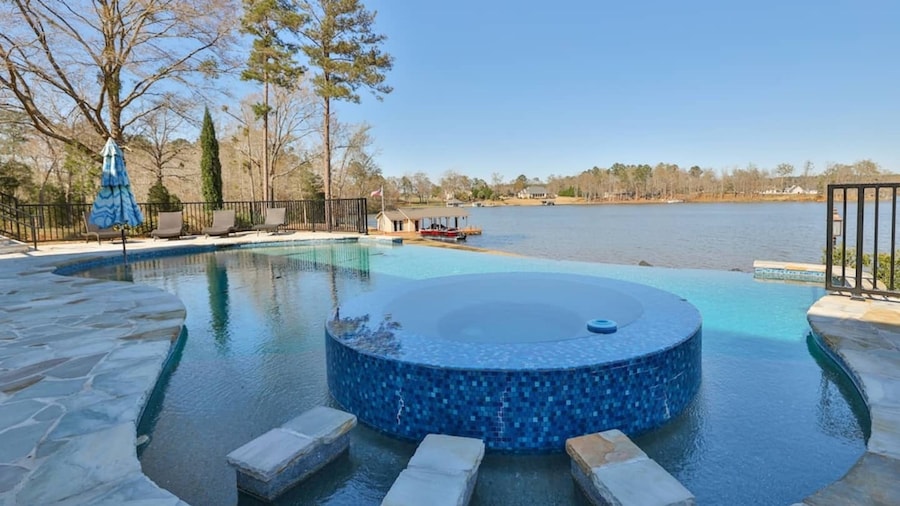
Private 7BR Lakehouse Estate Pool Hottub 13 Beds
Price was $4,894, price is now $4,380 per person
$4,380
per person
Nov 20 - Nov 25
found 1 day ago
Roundtrip non-stop flight included
Dallas (DFW) to Macon (MCN)
A sauna is featured at this vacation home, along with free WiFi in public areas and a garden. There's fun for all ages with a playground and an arcade/game room, and barbecue grills are available on site.
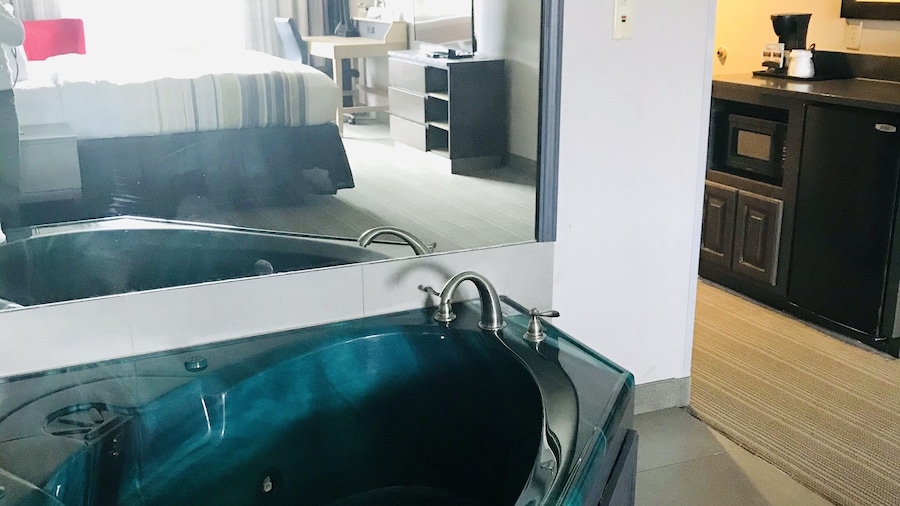
Country Inn & Suites by Radisson, Warner Robins, GA
Price was $1,213, price is now $1,129 per person
$1,129
per person
Nov 20 - Nov 25
found 1 day ago
Roundtrip non-stop flight included
Dallas (DFW) to Macon (MCN)
This hotel features an indoor pool and a gym. Traveling on business? Take advantage of the 24-hour business center and free WiFi in public areas. Guests will appreciate freebies like buffet breakfast and free self parking.
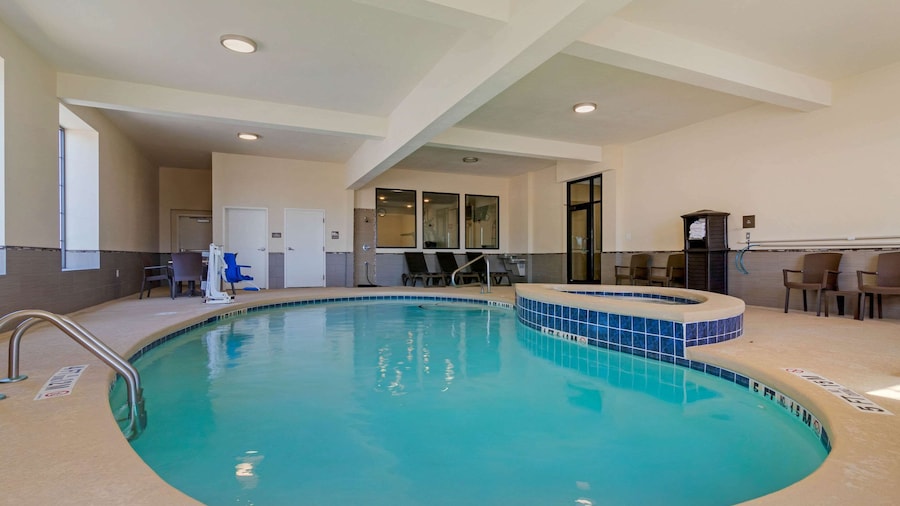
Comfort Inn & Suites Macon West
Price was $1,157, price is now $1,083 per person
$1,083
per person
Nov 20 - Nov 25
found 1 day ago
Roundtrip non-stop flight included
Dallas (DFW) to Macon (MCN)
This hotel doesn't skimp on freebies - guests receive free continental breakfast, free WiFi, and free self parking. Traveling on business? Take advantage of the business center and free internet in public areas. There's an indoor pool on site, and laundry facilities and free newspapers are also offered.
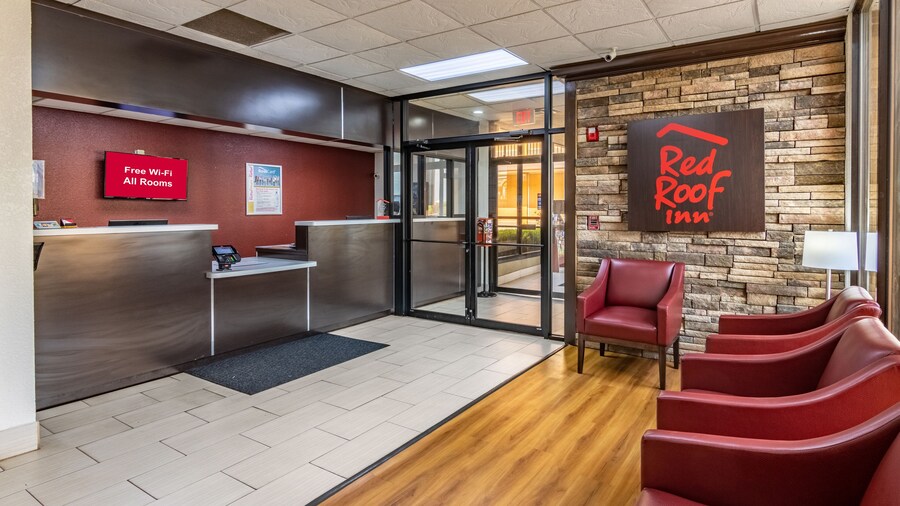
Red Roof Inn Forsyth
Price was $1,032, price is now $982 per person
$982
per person
Nov 20 - Nov 25
found 1 day ago
Roundtrip non-stop flight included
Dallas (DFW) to Macon (MCN)
This hotel features free WiFi in public areas, laundry facilities, and free self parking. Enjoy the free continental breakfast each morning. Staff at the 24-hour front desk can provide around-the-clock assistance.
Top Macon County hotels deals
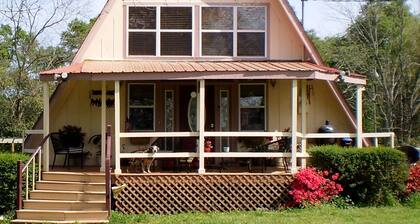
Grandeur Farm Equine Retreat
9975 GA Hwy 127 E Marshallville GA
Free Cancellation
Reserve now, pay when you stay
$98 nightly
The price is $111 total per night
$111 total
Oct 5 - Oct 6
Total with taxes and fees
This bed & breakfast doesn't skimp on freebies - guests receive free full breakfast, free WiFi, and free self parking. Business travelers can take advantage of the business center. Enjoy the hot tub and conveniences like a terrace and laundry facilities.
Hot Tub
Breakfast included
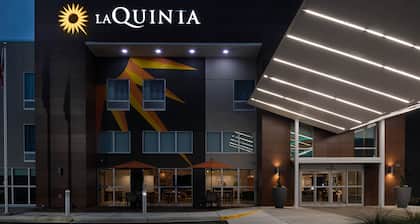
La Quinta Inn & Suites by Wyndham Perry
102 Plaza Dr Perry GA
Free Cancellation
Reserve now, pay when you stay
$103 nightly
The price is $124 total per night
$124 total
Oct 18 - Oct 19
Total with taxes and fees
This hotel features a 24-hour gym and a seasonal outdoor pool. Traveling on business? Take advantage of the 24-hour business center and free WiFi in public areas. Guests will appreciate freebies like buffet breakfast and free self parking.
Pool
Breakfast included
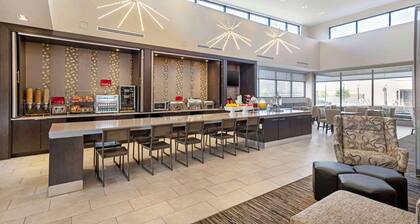
Best Western Plus Executive Residency Rigby's Water World Hotel
1056 GA Highway 96 Warner Robins GA
Free Cancellation
Reserve now, pay when you stay
$137 nightly
The price is $164 total per night
$164 total
Nov 1 - Nov 2
Total with taxes and fees
This hotel features a gym and a seasonal outdoor pool. Traveling on business? Take advantage of the 24-hour business center and free WiFi in public areas. Relax with a drink at the bar/lounge and enjoy free perks like full breakfast and free self parking.
Pool
Breakfast included

Courtyard by Marriott Warner Robins
589 Carl Vinson Pkwy Warner Robins GA
Free Cancellation
Reserve now, pay when you stay
$132 nightly
The price is $158 total per night
$158 total
Oct 25 - Oct 26
Total with taxes and fees
This hotel features a restaurant, an indoor pool, and a bar/lounge. Traveling on business? Take advantage of the 24-hour business center and free WiFi in public areas. Enjoy the 24-hour gym and perks like free self parking.
Pool
Parking included
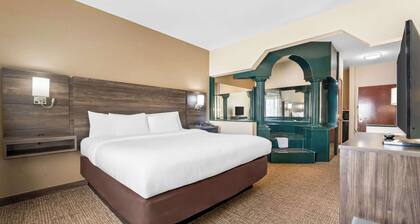
Comfort Suites near Robins Air Force Base
3101 Watson Blvd Warner Robins GA
Free Cancellation
$98 nightly
The price is $119 total per night
$119 total
Oct 19 - Oct 20
Total with taxes and fees
This hotel doesn't skimp on freebies - guests receive free buffet breakfast, free WiFi, and free self parking. Business travelers can take advantage of the business center. There's an indoor pool on site, and laundry facilities and free newspapers are also offered.
Pool
Breakfast included
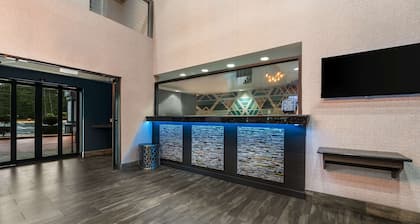
Best Western Bradbury Inn & Suites
205 Lect St Perry GA
Free Cancellation
Reserve now, pay when you stay
$94 nightly
The price is $115 total per night
$115 total
Oct 20 - Oct 21
Total with taxes and fees
This hotel features an indoor pool and a gym. Traveling on business? Take advantage of the business center and free WiFi in public areas. Enjoy the seasonal outdoor pool and free perks like self-serve breakfast and free self parking.
Pool
Breakfast included
Lowest nightly price found within the past 24 hours based on a 1 night stay for 2 adults. Prices and availability subject to change. Additional terms may apply.
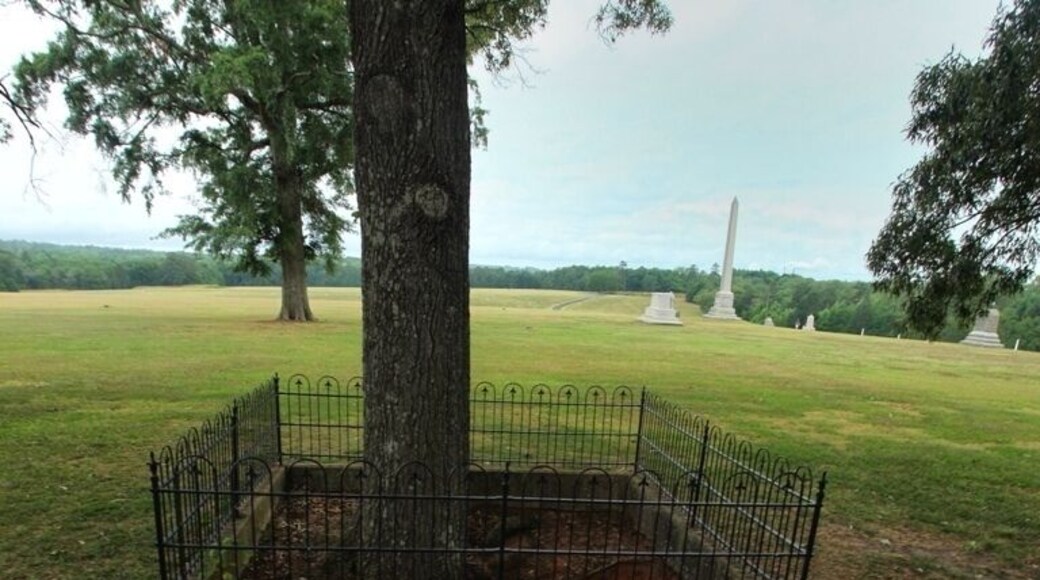
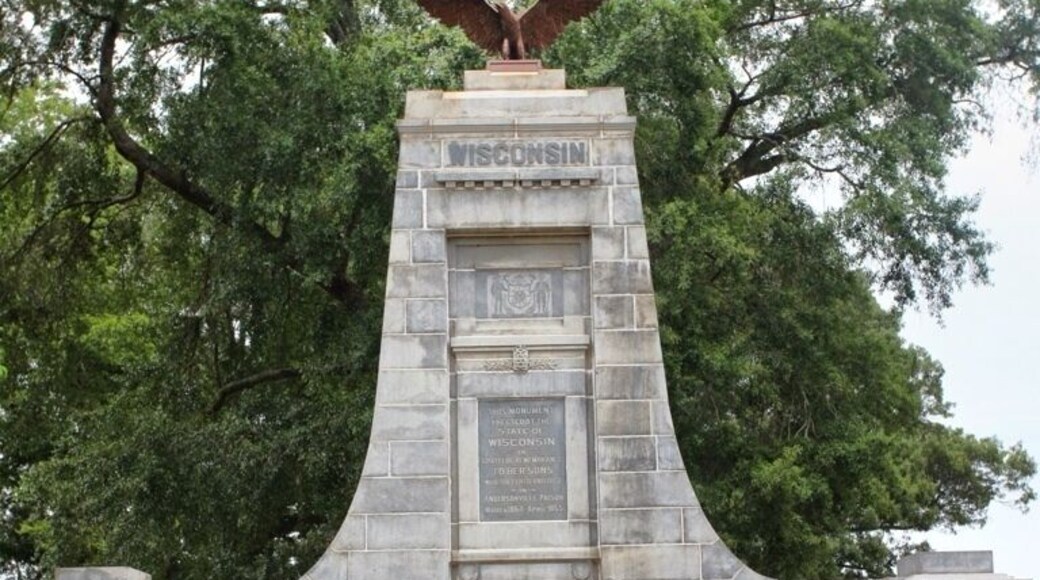
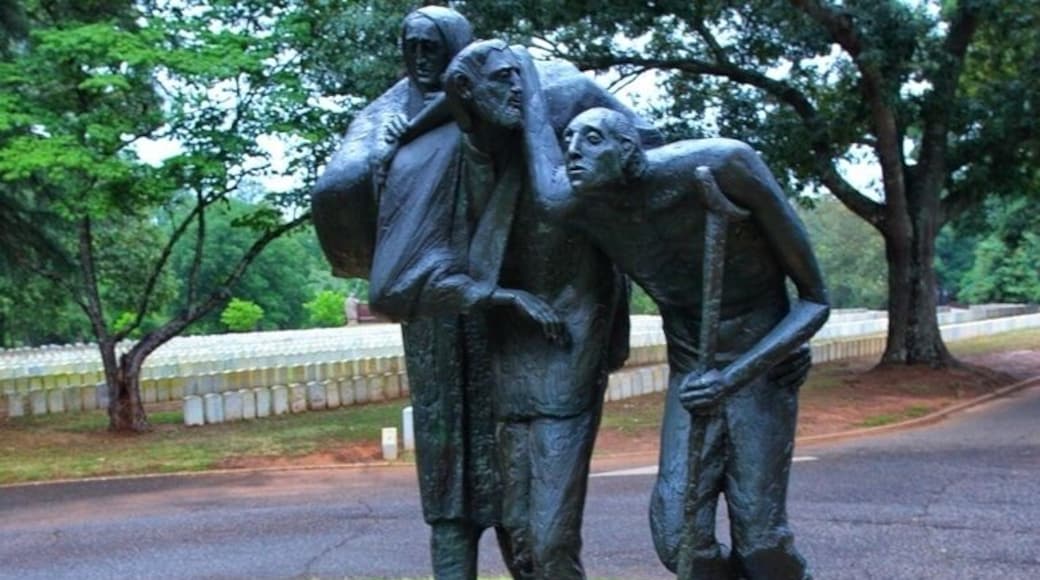
Stay near popular Macon County attractions
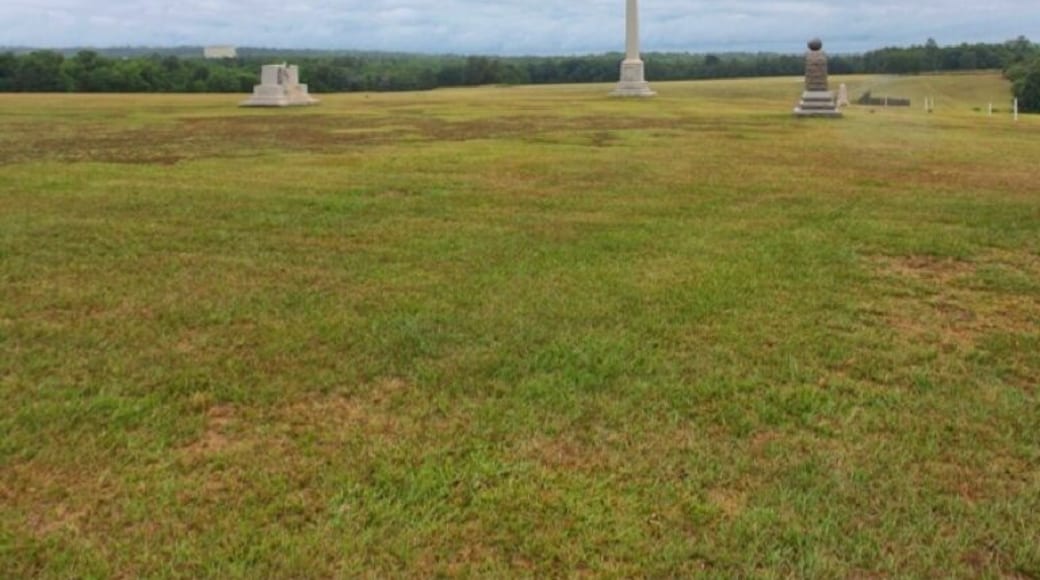
Photos of local treasures
Browse Macon County vacation photos for more inspiration

Frequently asked questions
Book a vacation to Macon County
Explore More Ways to Travel with Travelocity
- Agritourism in Macon County
- Pet Friendly in Macon
- Hotels in Byron
- Cabins in Butler
- Hotels in Buena Vista
- Hotels near Andersonville National Historic Site
- Cabins in Andersonville
- Bedandbreakfast in Andersonville
- Hotels in Columbus
- Hotels in Americus
- Romantic in Americus
- Privatevacationhomes in Vienna
- Hot Tub in Warner Robins
- InTown Suites Extended Stay Warner Robins GA
- Hotels in Warner Robins
- Hotels in Albany
- Windsor Hotel an Ascend Collection Hotel
- 5 Star Hotels in Reynolds
- 4 Star Hotels in Americus
- Luxury in Americus
- Hot Tub in Americus
- Budget in Americus
- Cottages in Americus
- Cabins in Americus
- Bedandbreakfast in Americus
- Hotels in Macon
- Bedandbreakfast in Marshallville
- Cabins in Marshallville
- Grandeur Farm Equine Retreat
- Privatevacationhomes in Marshallville
- Bedandbreakfast in Montezuma
- Hotels in Montezuma
- Privatevacationhomes in Montezuma
- Hotels near National Infantry Museum and Soldier Center
- Flint River Home w Private Pond & Game Room
- Agritourism in Peach County
- Aparthotels in Peach County
- Cabins in Perry
- Aparthotels in Perry
- Budget in Perry
- Hot Tub in Perry
- Indoor Pool in Perry
- Luxury in Perry
- Motel 6 Perry GA
- Pet Friendly in Perry
- Hotels in Perry
- Motels in Perry
- Motels in Pinehurst
- Hotels in Plains
- Hotels near Providence Canyon State Park
- Bedandbreakfast in Reynolds
- Cabins in Reynolds
- Hotels in Reynolds
- Bedandbreakfast in Ellaville
- Privatevacationhomes in Dooly County
- Cottages in Schley County
- Hotels in Unadilla
- Hotels in Vienna
- Motels in Vienna
- Cabins in Dooly County
- Hotels in Cordele
- Pet Friendly in Cordele
- Privatevacationhomes in Ellaville
- Hotels in Fort Moore
- Bedandbreakfast in Fort Valley
- Cabins in Fort Valley
- Aparthotels in Fort Valley
- Hotels in Fort Valley
- Privatevacationhomes in Fort Valley
- Hotels near Georgia National Fairgrounds & Agricenter
- Hotels near Lake Blackshear Resort Golf Club
- Americus Vacations
- Warm Springs Vacations
- Albany Vacations
- Macon Vacations
- Providence Canyon State Park Vacations
- Reynolds Vacations
- Rigby's Entertainment Complex Vacations
- Sylvester Vacations
- The Allman Brothers Band Museum at the Big House Vacations
- Cordele Vacations
- Columbus Vacations
- Forsyth Vacations
- Fort Moore Vacations