Deals on vacations and trips to Koggala
Save when you book Koggala package deals

Koggala flight + hotel vacation packages
Price found within the past 48 hours. Click for updated prices.

Trillium Boutique Express Hotel
Borella
Price was $1,573, price is now $1,443 per person
$1,443
per person
Nov 21 - Nov 23
found 1 day ago
Roundtrip non-stop flight included
New York (JFK) to Colombo (CMB)
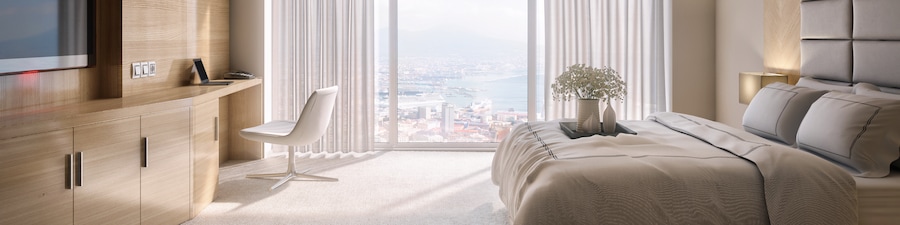
This hotel doesn't skimp on freebies - guests receive free WiFi and free self parking. Business travelers can take advantage of the business center. There's an outdoor pool on site, and a 24-hour front desk and a snack bar/deli are also provided.
Trillium Boutique City Hotel
Thimbirigasyaya
Price was $1,665, price is now $1,470 per person
$1,470
per person
Nov 21 - Nov 23
found 1 day ago
Roundtrip non-stop flight included
New York (JFK) to Colombo (CMB)
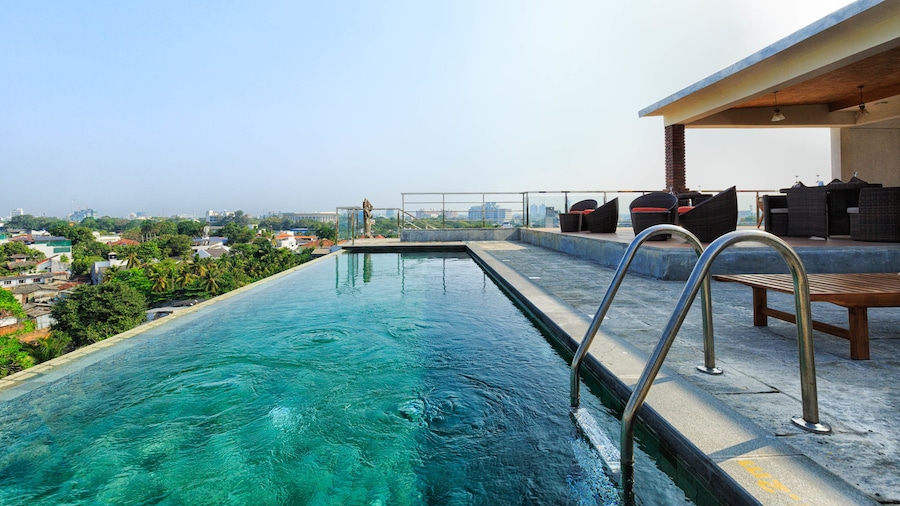
A full-service spa, a 24-hour gym, and a restaurant are all featured at this luxury hotel. Traveling on business? Take advantage of the business center, free WiFi in public areas, and airport shuttle. Enjoy the outdoor pool and perks like free valet parking.

Zylan Colombo
Cinnamon Gardens
Price was $1,579, price is now $1,484 per person
$1,484
per person
Nov 21 - Nov 23
found 1 day ago
Roundtrip non-stop flight included
New York (JFK) to Colombo (CMB)
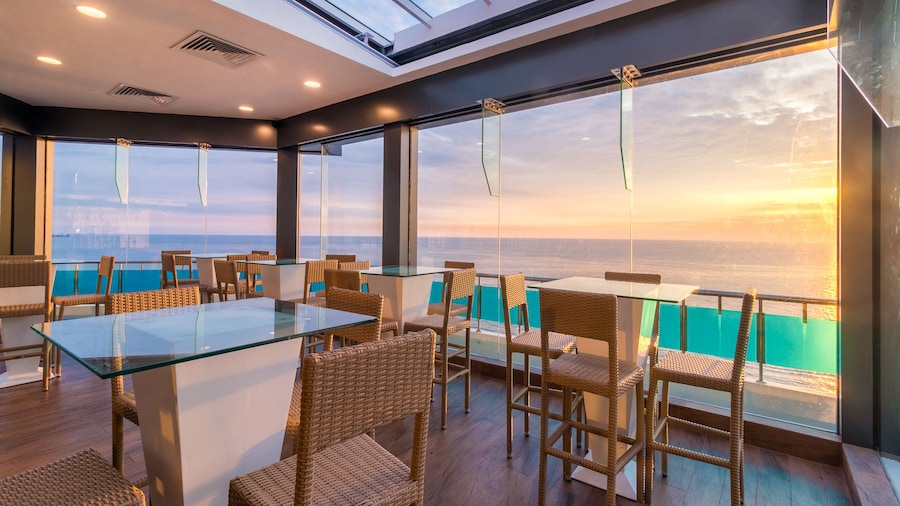
This smoke-free hotel features 2 restaurants, a bar/lounge, and an outdoor pool. Traveling on business? Take advantage of the free WiFi in public areas, laundry service, and airport shuttle. Enjoy the a rooftop terrace and perks like free self parking.
Global Towers Hotel & Apartments
Wellawatte
Price was $1,513, price is now $1,448 per person
$1,448
per person
Nov 21 - Nov 23
found 1 day ago
Roundtrip non-stop flight included
New York (JFK) to Colombo (CMB)
This hotel features an indoor pool and a gym. Enjoy the steam room and perks like free self parking and free WiFi. There's a bar/lounge on site, and laundry facilities and concierge services are also provided.

Villa Hundira
Price was $2,766, price is now $2,657 per person
$2,657
per person
Jan 1 - Jan 3
found 1 hour ago
Roundtrip flight included
Charlotte (CLT) to Colombo (CMB)
An attached winery, a full-service spa, and 2 outdoor pools are all featured at this hotel. There's fun for all ages with a playground and an arcade/game room, and families will appreciate the onsite laundry facilities. Enjoy a meal from the restaurant and perks like free self parking and free WiFi.
Top Koggala hotels deals

The Fortress Resort & Spa Galle
Habaraduwa, Galle District Koggala Southern Province
$140 nightly
The price is $169 total per night
$169 total
Oct 31 - Nov 1
Total with taxes and fees
This luxury hotel includes 3 restaurants, an outdoor pool, and an indoor pool. Traveling on business? Take advantage of the business center, free WiFi in public areas, and free valet parking. Enjoy the gym and perks like free self parking.
Pool
Parking included

Tabula Rasa Resort & Spa
Polkanda Road Galle Habraduwa
$96 nightly
The price is $120 total per night
$120 total
Oct 22 - Oct 23
Total with taxes and fees
A full-service spa, an outdoor pool, and a restaurant are all featured at this hotel. Enjoy the a rooftop terrace and perks like free self parking and free WiFi. There's a bar/lounge on site, and a 24-hour front desk and laundry facilities are also provided.
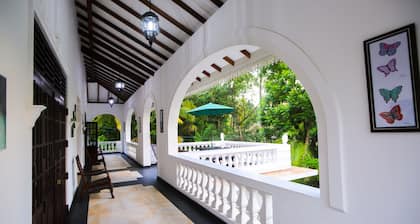
Sri Lankan Villa
No 126, Giniwella Road Koggala Southern Province
Free Cancellation
$46 nightly
The price is $55 total per night
$55 total
Oct 20 - Oct 21
Total with taxes and fees
This aparthotel features a full-service spa and a beach bar. Take the free beach shuttle and relax with beach cabanas and sun loungers. Free perks include English breakfast, free self parking, and a beach shuttle.

Radisson Blu Resort Galle
523C Galle Road, Ginthota Galle
Free Cancellation
$139 nightly
The price is $169 total per night
$169 total
Oct 22 - Oct 23
Total with taxes and fees
A full-service spa, 3 restaurants, and an outdoor pool are all featured at this luxury hotel. There's fun for all ages with a free kid's club and a children's pool, and families will appreciate the onsite laundry facilities. Relax with a drink at one of the 2 bars/lounges and enjoy free perks like free self parking and WiFi in public areas.

Weligama Bay Marriott Resort & Spa
700 Matara Road, Pelana Weligama
Free Cancellation
Reserve now, pay when you stay
$186 nightly
The price is $227 total per night
$227 total
Oct 25 - Oct 26
Total with taxes and fees
A full-service spa, 3 restaurants, and 3 outdoor pools are all featured at this luxury hotel. There's fun for all ages with a free kid's club and a children's pool, and barbecue grills are available on site. Relax with a drink at one of the 2 bars/lounges and enjoy free perks like valet parking and WiFi in public areas.

Cape Weligama - Relais and Chateaux
Abimanagama Rd Weligama Central Province
$416 nightly
The price is $498 total per night
$498 total
Oct 18 - Oct 19
Total with taxes and fees
This luxury resort features 4 restaurants, 13 outdoor pools, and a gym. Enjoy beachfront dining and relax with sun loungers and beach umbrellas. Relax with a drink at one of the 2 bars/lounges and enjoy free perks like valet parking and WiFi in public areas.
Lowest nightly price found within the past 24 hours based on a 1 night stay for 2 adults. Prices and availability subject to change. Additional terms may apply.
Stay near popular Koggala attractions
Frequently asked questions
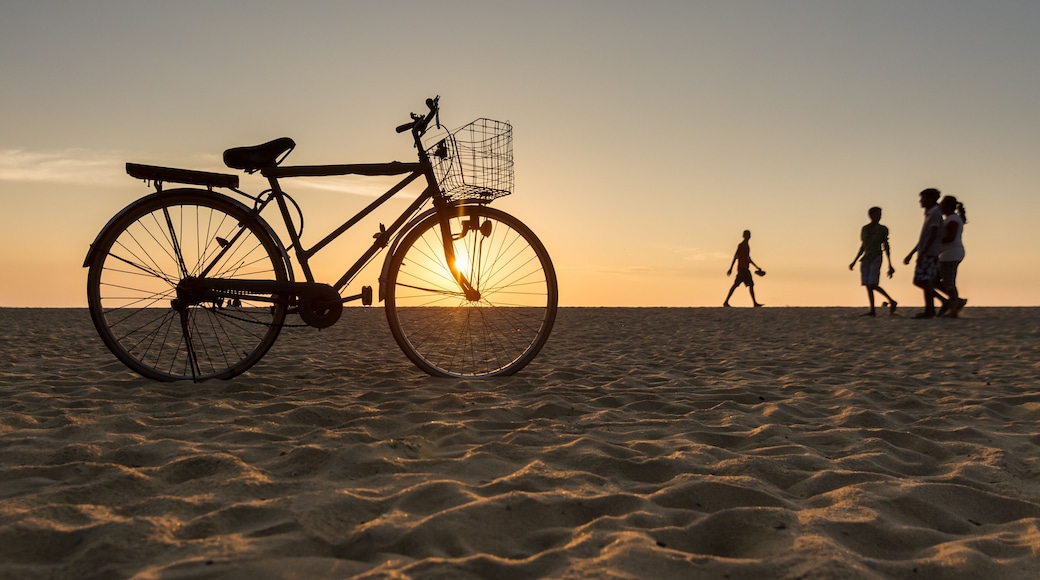
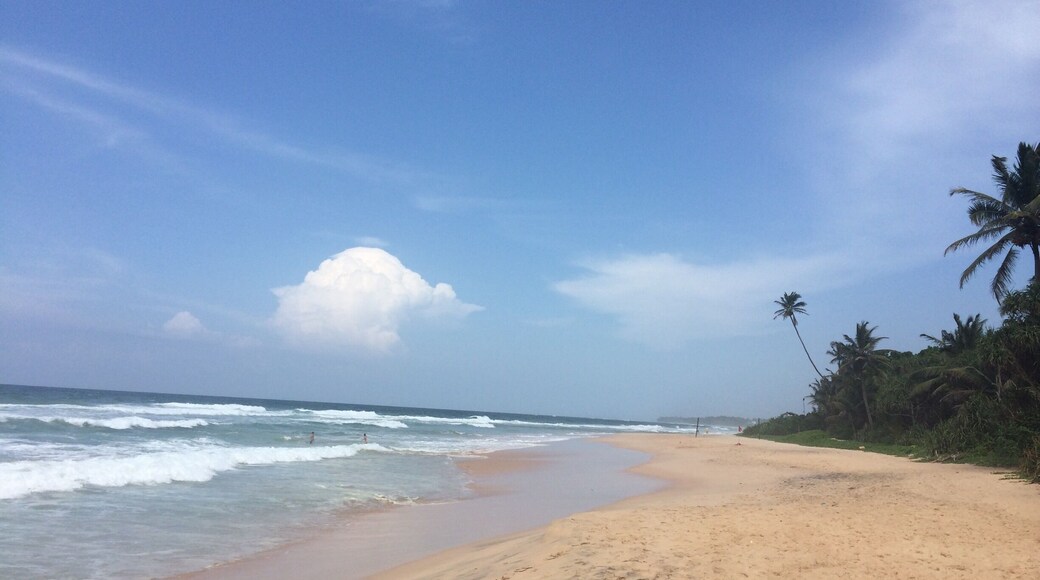
Photos of local treasures
Browse Koggala vacation photos for more inspiration



Book a vacation to Koggala
Explore More Ways to Travel with Travelocity
- Venus Villa
- Villa in South Sri Lanka Ahangama Near Galle Weligama With pool Near to Beach
- Hotels in Ahangama
- Privatevacationhomes in Ahangama
- Free Parking in Habaraduwa
- Spa in Habaraduwa
- Wedding in Habaraduwa
- Hotels near Kabalana Beach
- Guesthouses in Koggala
- Arunalu Lake Front
- Arunalu Lake Front
- Skye House
- The Fortress Resort & Spa Galle
- Wedding in Koggala
- Hotels in Koggala
- Hotels in Rumassala
- Casa Tikiri - BOUTIQUE HOTEL Adults-Only
- Beach in Ahangama
- Ahangama Eco Villa
- 2-bedroom villa in delightful Ahangama with AC WiFi
- Hostels in Ahangama
- Guesthouses in Ahangama
- Hotels in Ahangama Central
- Apartments in Ahangama
- The Jini House - Kabalana
- Solas Surf
- SAMA Ahangama
- Luxury in Ahangama
- Family Friendly in Ahangama
- Talpe Hotels
- Hotels near Unawatuna Beach
- All-Inclusive in Unawatuna
- Angel Beach Unawatuna
- Apa Villa Thalpe
- Cocobay Unawatuna
- Family Friendly in Unawatuna
- Happy Valley Residence Unawatuna
- Joe's Resort Unawatuna
- Jungle Village By Thawthisa
- KAJU GREEN eco lodges
- KK Beach
- Levels Unawatuna
- Luxurious 5-bedroom villa with WiFi AC Swimmingpool in beautiful Unawatuna
- Mount rich
- Palm& Maple private 2-bedroom villa in Talpe Sri Lanka
- Thaproban Pavilion Waves Unawatuna
- Unawatuna Royal Lotus Villa
- Villa Samas Family Stay- Near Thalpe & Unawatuna
- Wedding in Unawatuna
- Hotels in Unawatuna
- Villas in Unawatuna
- Romantic Honeymoon Villa Overlooking Rice Fields
- Ayurvie Weligama - Ayurvedic Retreat by Thema Collection - Adults Only-
- Cape Weligama - Relais and Chateaux
- Ceylon House in Weligama
- Cinnamon House by The Serendipity Collection
- Golf in Weligama
- Mzion Hotel Weligama
- Naomi Beach Resort
- Parangi Weligama Bay
- Sugar Surf Lodge - Coliving & Coworking
- Hotels in Weligama
- Weligama Bay Resort
- Weligama Bay Marriott Resort & Spa
- Wedding in Weligama
- W15 Weligama