Reserva paquetes vacacionales exclusivos en Horbling

Elige dos o más componentes y ahorra en tu viaje:

Paquetes de vuelo y hotel en Horbling

Precios encontrados en las últimas 48 horas. Haz clic en el anuncio para ver los precios actualizados.
Garner Hotel Nottingham City Centre by IHG
Mercure Nottingham City Centre George Hotel

Las mejores ofertas de hoteles en Horbling

¿No encuentras lo que buscas?
Ve todas las propiedades disponibles en Horbling
Ver todas las propiedades
Precio más bajo por noche encontrado en las últimas 24 horas, con base en una estancia de 1 noche para 2 adultos. Los precios y la disponibilidad están sujetos a cambios. Aplican términos adicionales.

Sitios más populares para visitar

Fotos de tesoros locales

Explora las fotos de Horbling y déjate inspirar para tus próximas vacaciones

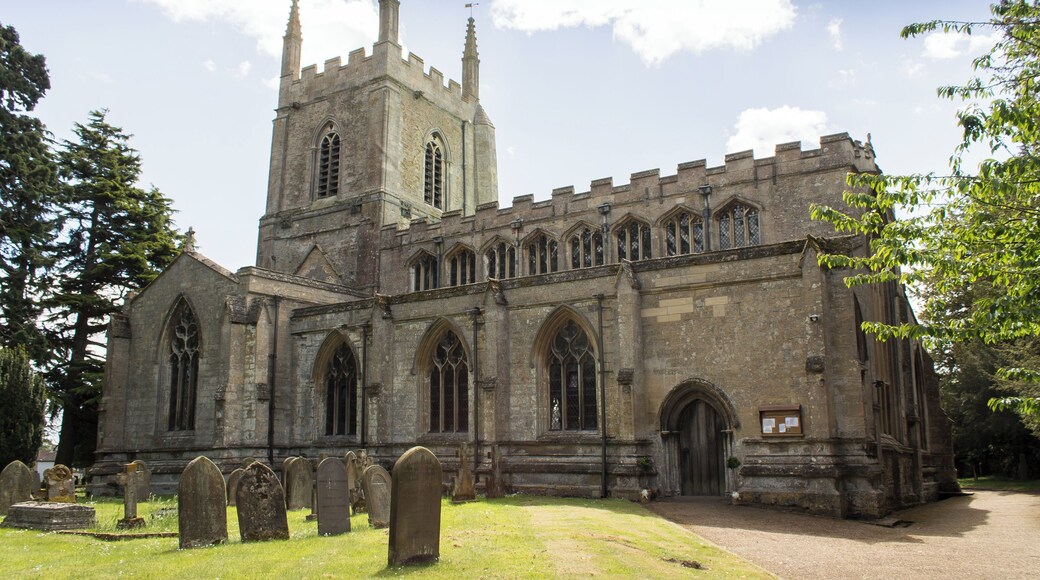
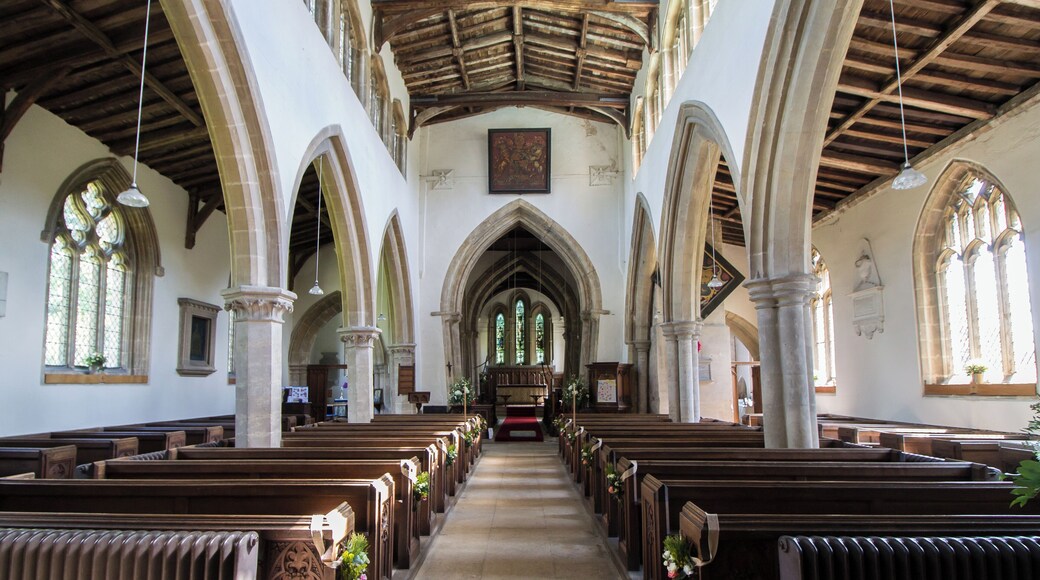
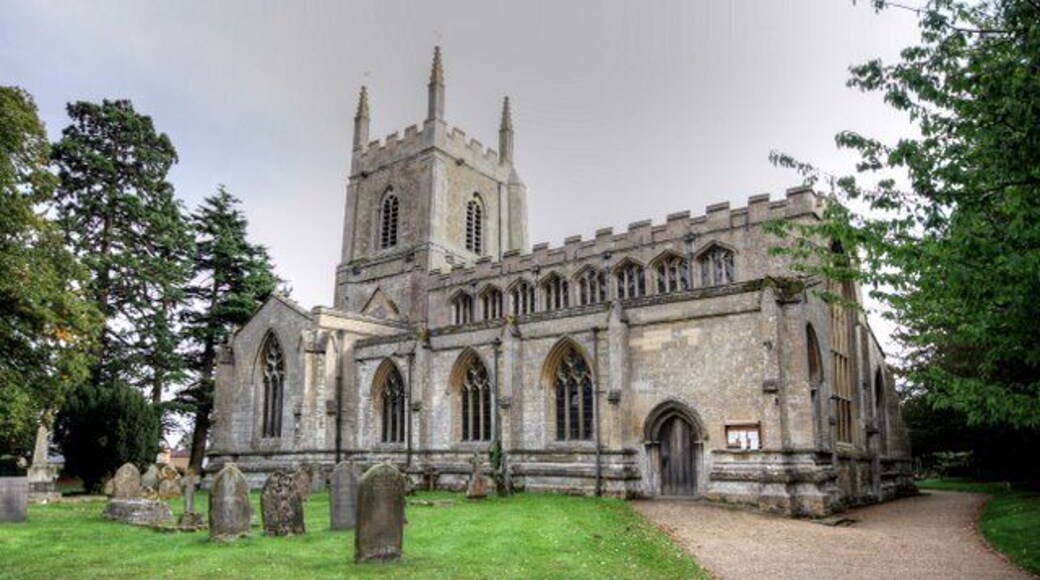
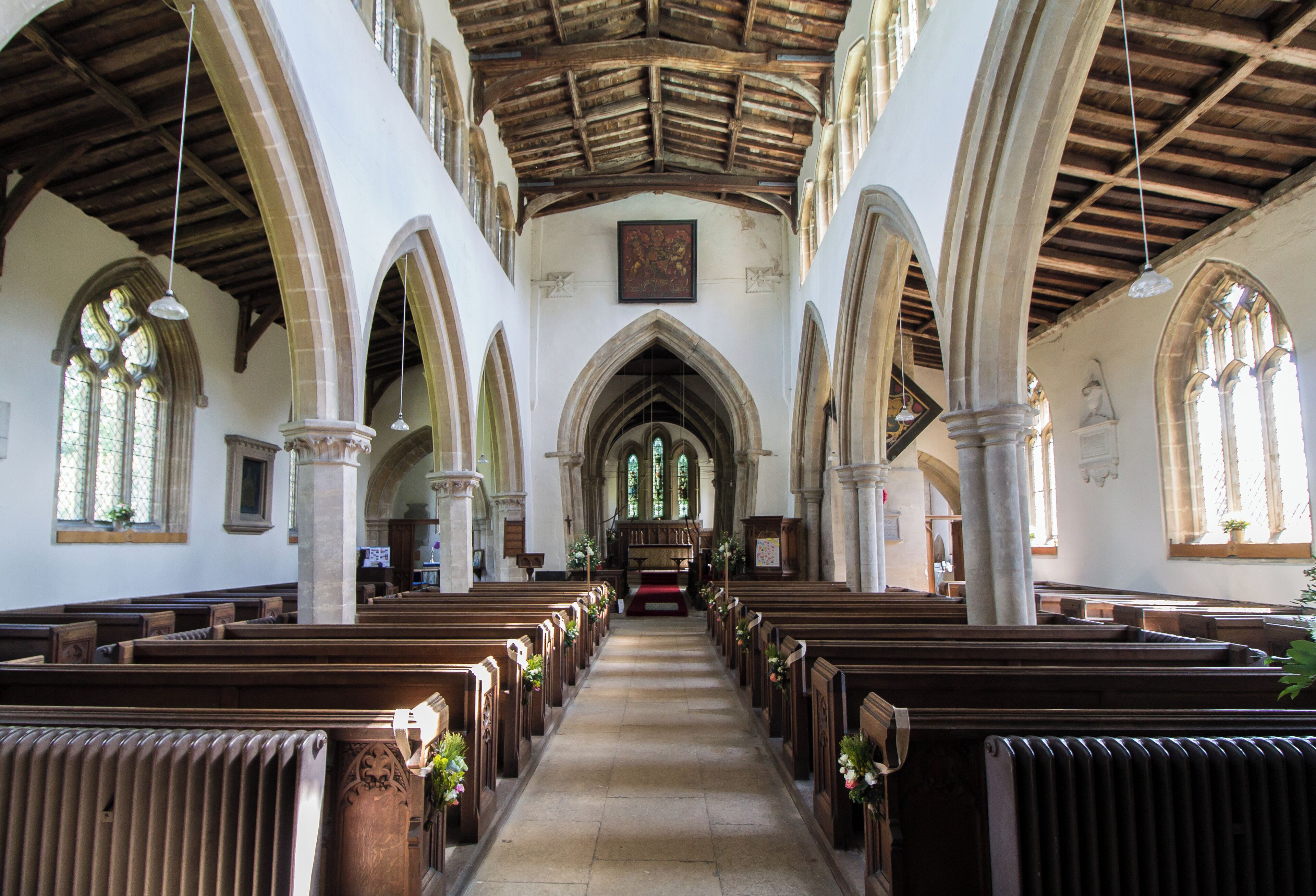
Grade I listed. The church dates from the late 12th century onwards, although a church was mentioned in the Domesday book. Originally there was a cruciform Norman church, parts of which still remain. The church could have been an ex Anglo-Saxon Minster or new Collegiate foundation. There is a nave with north and south aisles, north and south transepts with crossing tower, chancel and south porch. The west front dates from circa 1170 and was remodelled in the 15th century. The nave was constructed in the first half of the 13th century, the north and south arcades are asymmetrical. There is a set of eight windows in the late 15th century clerestory. There are four-bay arcades, the north on hexagonal piers the south has one round and two quatrefoil piers. The chancel dates from the 12th century, and unusually has a sedilia with a single round arch. The crossing tower was remodelled around 1330, and the tower has battlements and pinnacles and several gargoyles. The arches of the crossing are leaning out of line, and an attempt was made in the 14th century to repair them. This can easily been seen when looking at the nave towards the chancel. The north transept has a 15th century tomb recess with the arms of Sir Thomas La Launde, died 1470. This may also be part of an Easter Sepulchre. The church has several monuments with brass plate designed by Pugin. The octagonal font is from the 15th century and has instruments of the passion on each face. There is a two manual organ by Binns, which was removed from Bailgate Methodist Church, Lincoln. Pic by Jenny
Grade I listed. The church dates from the late 12th century onwards, although a church was mentioned in the Domesday book. Originally there was a cruciform Norman church, parts of which still remain. The church could have been an ex Anglo-Saxon Minster or new Collegiate foundation. There is a nave with north and south aisles, north and south transepts with crossing tower, chancel and south porch. The west front dates from circa 1170 and was remodelled in the 15th century. The nave was constructed in the first half of the 13th century, the north and south arcades are asymmetrical. There is a set of eight windows in the late 15th century clerestory. There are four-bay arcades, the north on hexagonal piers the south has one round and two quatrefoil piers. The chancel dates from the 12th century, and unusually has a sedilia with a single round arch. The crossing tower was remodelled around 1330, and the tower has battlements and pinnacles and several gargoyles. The arches of the crossing are leaning out of line, and an attempt was made in the 14th century to repair them. This can easily been seen when looking at the nave towards the chancel. The north transept has a 15th century tomb recess with the arms of Sir Thomas La Launde, died 1470. This may also be part of an Easter Sepulchre. The church has several monuments with brass plate designed by Pugin. The octagonal font is from the 15th century and has instruments of the passion on each face. There is a two manual organ by Binns, which was removed from Bailgate Methodist Church, Lincoln. (Pic by Jenny)
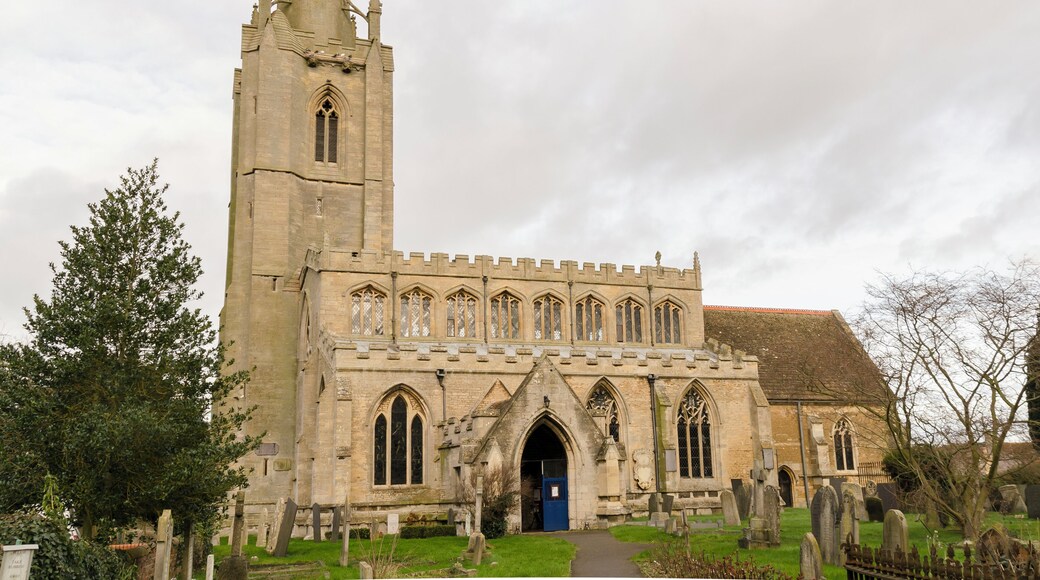
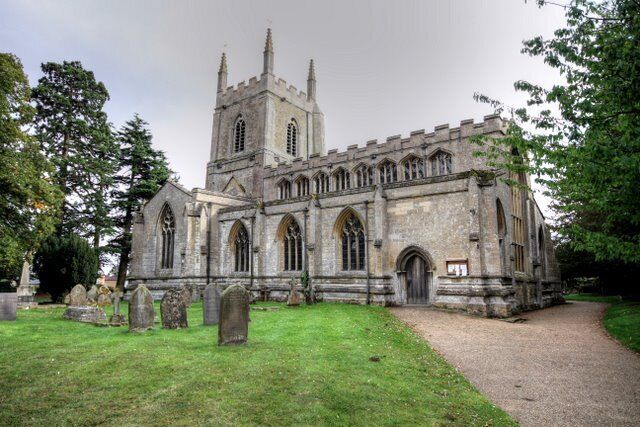
There was a church at Billingborough in the 11th century, as noted in the Domesday book. The present church dates from the early 14th century onwards and was restored in the 19th century. It consists of a north west tower with spire, nave with north and south aisles, south porch, and chancel with a small organ chamber. The tower is of four stages, 150 foot high. The top of the tower is battlemented with a recessed octagonal spire with three tiers of lucarnes. Five bells were installed in 1717, and they were rehung in 1846. The nave has an embattled parapet and closely spaced three light clerestory windows from the 15th century. The porch dates from around 1312 and the door has 14th century ironwork. The nave arcades are 14th century and are of three bays to the north, and 4 to the south. The south aisle has a piscina at the east end. There is a 15th century octagonal font on a pedestal. The nave was reroofed in 1870 at a cost of £780, and various improvements were made in 1887. In 1891 the 14th century chancel was rebuilt and a year later the east window was installed to the late Duke of Clarence. A reredos was added in 1894. The west window dates from 1912, and in 1929 the organ was restored at a cost of £200. Small amounts of mediaeval glass are retained in the tracery of several windows, the south west window is by John Hayward from 1980. The organ is originally by Brown and Son of London. The west end of the church is often used as a coffee area.