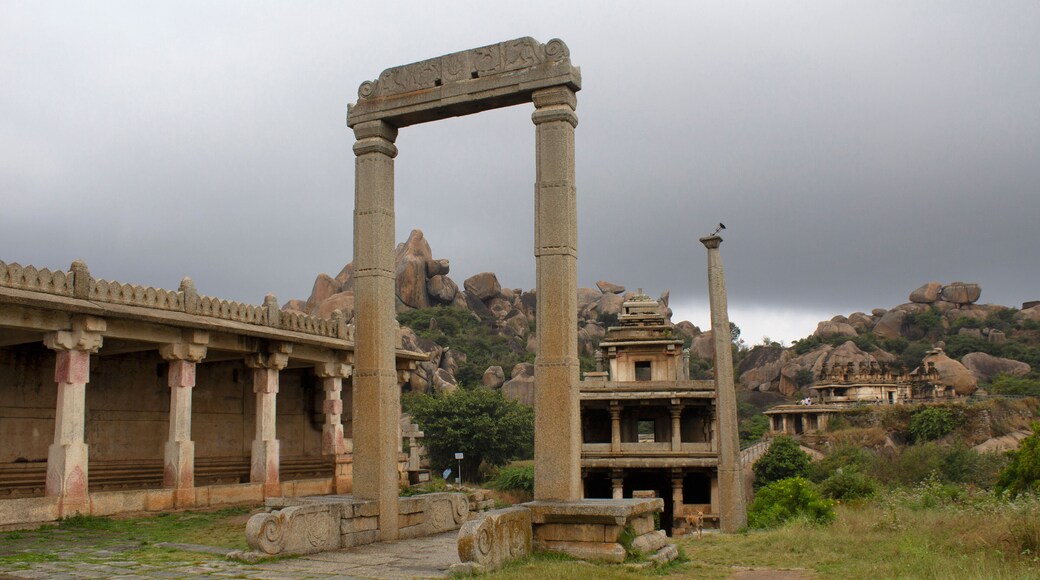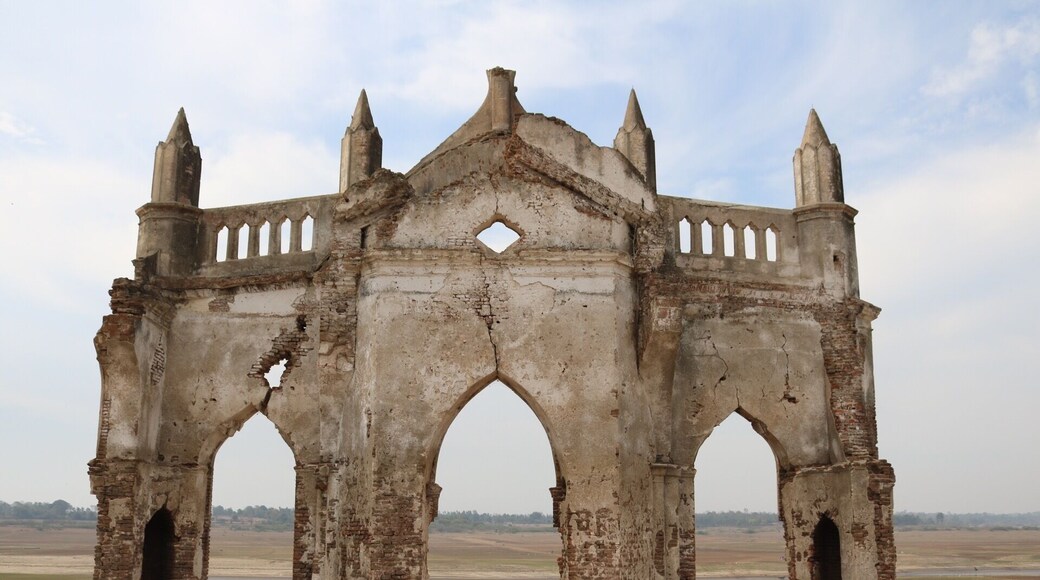
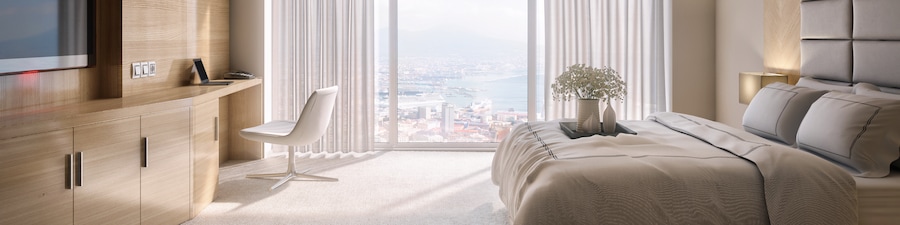
Reserva paquetes vacacionales exclusivos en Distrito de Chitradurga
Las mejores ofertas de hoteles en Distrito de Chitradurga

Kalpavana Resort
B.V.Nagara, Madhure, Dasarahalli Hosdurga Karnataka
Aquí encontrarás recepción disponible las 24 horas. Pasa un rato agradable en sus 15 albercas al aire libre y obtén beneficios como estacionamiento gratis.
Alberca
Estacionamiento incluido
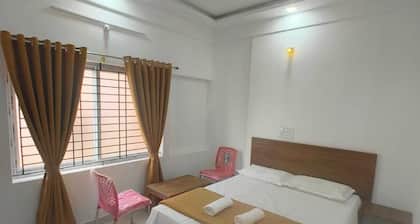
SPR COMFORTS
Medhehalli Rd Vijayanagar Chitradurga KA
Cancelación gratuita
Reserva ahora y paga después
$14 por noche
El precio es de $14 en total por noche
$14 en total
29 jun. - 30 jun.
Total con impuestos y cargos
Este lodge tiene una terraza, una lavandería y estacionamiento gratis. Para tu comodidad, cuenta con una recepción virtual.
Estacionamiento incluido
Wifi gratis
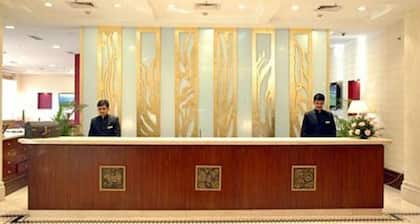
Amogha International Hotel
Santhe Honda Rd at Santhepet Cross Rd Chitradurga Karnataka
Cancelación gratuita
Reserva ahora y paga después
$16 por noche
El precio es de $17 en total por noche
$17 en total
30 may. - 31 may.
Total con impuestos y cargos
Este hotel tiene wifi gratis en las áreas comunes, una lavandería y estacionamiento gratis. Prueba los platillos de cualquiera de sus 2 restaurantes y aprovecha el desayuno continental gratis todos los días. Encontrarás servicio de lavandería o tintorería, al igual que atención las 24 horas en recepción.
Desayuno incluido
Estacionamiento incluido
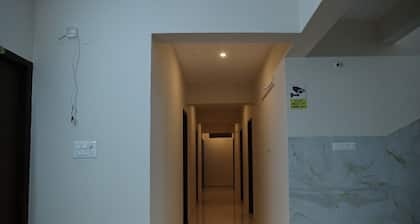
Vishwas Comforts
Kavadigarahatti Main Road Chitradurga Karnataka
Cancelación gratuita
Reserva ahora y paga después
$12 por noche
El precio es de $12 en total por noche
$12 en total
29 jun. - 30 jun.
Total con impuestos y cargos
Este hotel tiene un restaurante y un bar o lounge. Sus huéspedes aprovechan cortesías como estacionamiento gratis y wifi. También hay una cafetería, servicio de lavandería o tintorería y resguardo de equipaje.
Estacionamiento incluido
Wifi gratis
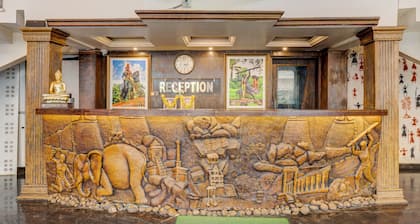
IROOMZ Eco - HOTEL BIG BOSS
NH-4 Daavanagere road Hotel Big Boss Chitradurga KA
Este hostal ofrece servicios en cortesía a sus huéspedes, entre ellos desayuno buffet gratuito y estacionamiento gratis. La recepción está disponible las 24 horas.
Desayuno incluido
Estacionamiento incluido
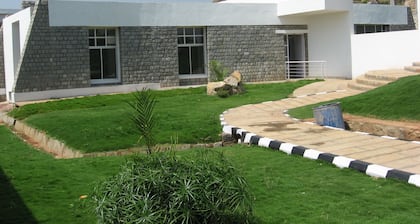
KSTDC Hotel Mayura Yatrinivas
NH 48, Next to Maharani College Chitradurga Karnataka
Entre los servicios y amenidades de este hotel, además de estacionamiento gratis, encontrarás un restaurante y servicio de recepción las 24 horas. El wifi es gratis. También hay una terraza, un jardín y un área de picnic.
Estacionamiento incluido
Wifi gratis
¿No encuentras lo que buscas?
Ve todas las propiedades disponibles en Distrito de Chitradurga
Ver todas las propiedadesPrecio más bajo por noche encontrado en las últimas 24 horas, con base en una estancia de 1 noche para 2 adultos. Los precios y la disponibilidad están sujetos a cambios. Aplican términos adicionales.
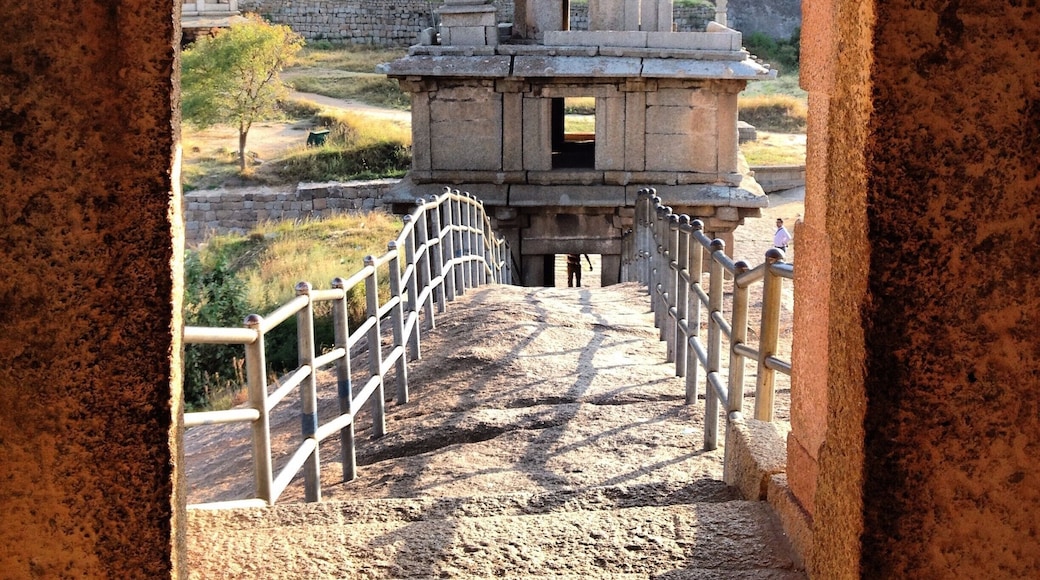
Fotos de tesoros locales
Explora las fotos de Distrito de Chitradurga y déjate inspirar para tus próximas vacaciones