Reserva paquetes vacacionales exclusivos en Banjarsari
Las mejores ofertas de hoteles en Banjarsari
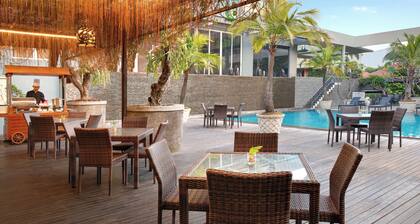
Novotel Solo
Jalan Slamet Riyadi 272 Surakarta Central Java
Cancelación gratuita
Reserva ahora y paga después
$33 por noche
El precio es de $36 en total por noche
$36 en total
20 oct. - 21 oct.
Total con impuestos y cargos
En este hotel, además de un entorno 100% libre de humo de cigarro, encontrarás un spa de servicio completo, 2 albercas al aire libre y una tina de hidromasaje. Aquí encontrarás un club infantil gratuito y un chapoteadero para la diversión de toda la familia, al igual que un área con asadores. Prueba los platillos de su restaurante y aprovecha beneficios como estacionamiento gratis y wifi gratis.
Alberca
Tina de hidromasaje
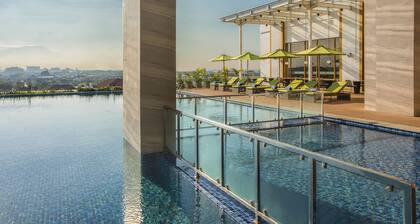
Swiss-Belhotel Solo
Jalan Ahmad Yani 45 Surakarta Jawa Tengah
Cancelación gratuita
Reserva ahora y paga después
$40 por noche
El precio es de $45 en total por noche
$45 en total
11 oct. - 12 oct.
Total con impuestos y cargos
En este hotel encontrarás un spa de servicio completo, una alberca al aire libre y un restaurante. Hay un centro de negocios, wifi gratis en las áreas comunes y traslado desde/hacia el aeropuerto por si tu viaje es de trabajo. Pasa un rato agradable con su gimnasio y aprovecha beneficios como estacionamiento gratis.
Alberca
Spa

Moxy Solo
Jl. Slamet Riyadi No.173, Kemlayan Surakarta Central Java
Cancelación gratuita
Reserva ahora y paga después
$33 por noche
El precio es de $37 en total por noche
$37 en total
22 oct. - 23 oct.
Total con impuestos y cargos
Este hotel cuenta con un restaurante, una alberca al aire libre y un bar o lounge. Sus huéspedes aprovechan cortesías como estacionamiento gratis y wifi. También hay una cafetería, un snack bar o deli y resguardo de equipaje.
Alberca
Estacionamiento incluido

ibis Styles Solo
Jalan Gajah Mada 23 Surakarta Central Java
Cancelación gratuita
Reserva ahora y paga después
$20 por noche
El precio es de $23 en total por noche
$23 en total
20 oct. - 21 oct.
Total con impuestos y cargos
En este hotel, además de un entorno 100% libre de humo de cigarro, encontrarás un spa de servicio completo, 2 albercas al aire libre y un gimnasio. Hay wifi gratis en las áreas comunes, servicio de lavandería o tintorería y traslado desde/hacia el aeropuerto por si tu viaje es de trabajo. Pasa un rato agradable con su sauna y aprovecha beneficios como estacionamiento gratis.
Alberca
Spa
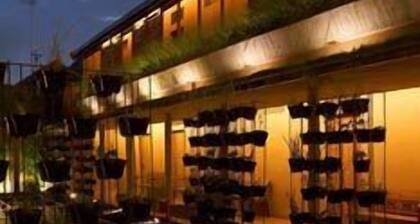
Rumah Turi Eco Hotel
Jl. Srigading II 12 Turisari Surakarta Central Java
$11 por noche
El precio es de $13 en total por noche
$13 en total
7 oct. - 8 oct.
Total con impuestos y cargos
Este hotel cuenta con un restaurante, una terraza en la azotea y un bar o lounge. Si viajas por trabajo, aprovecha el acceso a wifi gratis en las áreas comunes que encontrarás en esta propiedad. Aquí también contarás con estacionamiento gratis, una cafetería y una terraza.
Estacionamiento incluido
Wifi gratis
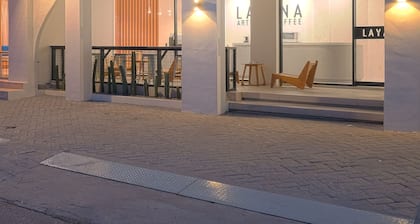
Horison Inn Laksana Solo
Jl Teratai 2 no. 11, Mangkubumen Surakarta Central Java
$13 por noche
El precio es de $14 en total por noche
$14 en total
25 oct. - 26 oct.
Total con impuestos y cargos
Entre los servicios y amenidades de este hotel, además de estacionamiento gratis, encontrarás un restaurante y servicio de recepción las 24 horas. El wifi es gratis. También hay un centro de negocios, una terraza y check-in exprés.
Estacionamiento incluido
Wifi gratis
¿No encuentras lo que buscas?
Ve todas las propiedades disponibles en Banjarsari
Ver todas las propiedadesPrecio más bajo por noche encontrado en las últimas 24 horas, con base en una estancia de 1 noche para 2 adultos. Los precios y la disponibilidad están sujetos a cambios. Aplican términos adicionales.
Hospédate cerca de algunas de las atracciones destacadas de Banjarsari
Fotos de tesoros locales
Explora las fotos de Banjarsari y déjate inspirar para tus próximas vacaciones