
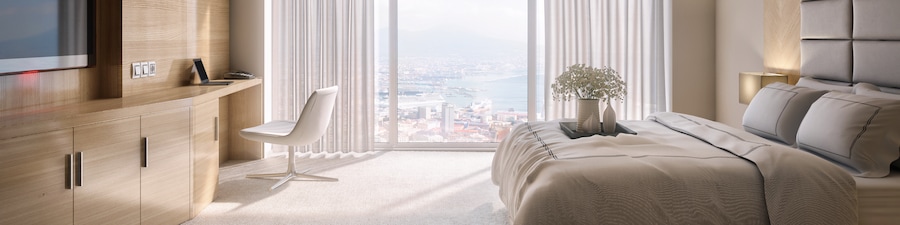
Reserva paquetes vacacionales exclusivos en Bhubaneshwar
Las mejores ofertas de hoteles en Bhubaneshwar

Welcomhotel by ITC Hotels, Bhubaneswar
D/1, Dumuduma Bhubaneshwar OR
Cancelación gratuita
Reserva ahora y paga después
$74 por noche
El precio es de $78 en total por noche
$78 en total
16 feb. - 17 feb.
Total con impuestos y cargos
En este hotel de lujo encontrarás un spa de servicio completo, una alberca al aire libre y un restaurante. Hay un centro de negocios, wifi gratis en las áreas comunes y valet parking gratis por si tu viaje es de trabajo. Si te hospedas aquí, tendrás acceso a servicios como estacionamiento gratis y podrás probar los platillos de cualquiera de sus 2 cafeterías.
Alberca
Spa
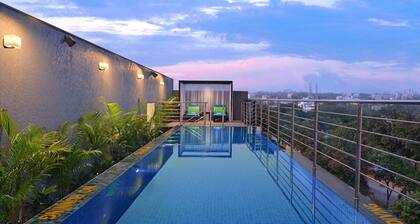
Fortune Park Sishmo, Bhubaneswar - Member ITC Hotels' Group
86/A-1 Gautam Nagar Bhubaneshwar Odisha
Cancelación gratuita
Reserva ahora y paga después
$77 por noche
El precio es de $81 en total por noche
$81 en total
23 feb. - 24 feb.
Total con impuestos y cargos
En este hotel, además de un entorno 100% libre de humo de cigarro, encontrarás un spa de servicio completo, 2 restaurantes y una alberca al aire libre. Hay un centro de negocios disponible las 24 horas, wifi gratis en las áreas comunes y traslado desde/hacia el aeropuerto por si tu viaje es de trabajo. Pasa un rato agradable con su gimnasio y aprovecha beneficios como valet parking gratis.
Alberca
Todo incluido
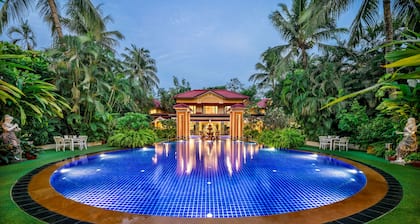
Mayfair Lagoon
Jaydev Vihar Bhubaneshwar Orissa
Cancelación gratuita
Reserva ahora y paga después
$88 por noche
El precio es de $105 en total por noche
$105 en total
15 feb. - 16 feb.
Total con impuestos y cargos
Hospédate en este resort de lujo en Bhubaneshwar. Tendrás a tu disposición wifi gratis, estacionamiento gratis y spa de servicio completo. Estarás muy cerca de atracciones como Ashokan Rock Edict y Ekamra Kanan.
Alberca
Spa

Vivanta Bhubaneswar DN Square
DN Regalia, NH16 Patrapada Bhubaneshwar Odisha
Cancelación gratuita
Reserva ahora y paga después
$83 por noche
El precio es de $87 en total por noche
$87 en total
13 feb. - 14 feb.
Total con impuestos y cargos
Este hotel cuenta con un bar o lounge, un bar junto a la alberca y una alberca al aire libre. Hay un centro de negocios y wifi gratis por si tu viaje es de trabajo. Pasa un rato agradable con su gimnasio y aprovecha beneficios como estacionamiento gratis.
Alberca
Spa

LYFE Hotels Bhubaneswar
C/5 Bhubaneshwar OR
Cancelación gratuita
Reserva ahora y paga después
$76 por noche
El precio es de $79 en total por noche
$79 en total
18 feb. - 19 feb.
Total con impuestos y cargos
En este hotel de lujo encontrarás un spa de servicio completo, 2 restaurantes y una alberca al aire libre. Hay un centro de negocios disponible las 24 horas, wifi gratis en las áreas comunes y valet parking gratis por si tu viaje es de trabajo. Relájate con una bebida en alguno de sus 2 bares o lounges y aprovecha beneficios como estacionamiento gratis.
Alberca
Spa
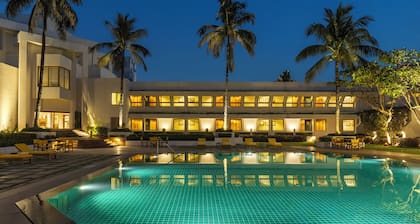
Trident, Bhubaneswar
Cb-i Nayapalli Bhubaneshwar Orissa
Cancelación gratuita
Reserva ahora y paga después
$111 por noche
El precio es de $131 en total por noche
$131 en total
7 feb. - 8 feb.
Total con impuestos y cargos
Hospédate en este hotel para familias en Bhubaneshwar. Tendrás a tu disposición wifi gratis, estacionamiento gratis y desayuno. Estarás muy cerca de atracciones como Ashokan Rock Edict y Ekamra Kanan.
Alberca
Estacionamiento incluido
¿No encuentras lo que buscas?
Ve todas las propiedades disponibles en Bhubaneshwar
Ver todas las propiedadesPrecio más bajo por noche encontrado en las últimas 24 horas, con base en una estancia de 1 noche para 2 adultos. Los precios y la disponibilidad están sujetos a cambios. Aplican términos adicionales.
Sitios más populares para visitar

Cuevas de Khandagiri
Cuando viajes a Bhubaneshwar, haz tiempo para disfrutar de la naturaleza en Udayagiri and Khandagiri Caves. Esta zona es ideal para dar un precioso paseo alrededor del lago y contemplar sus templos.
Templo Lingaraj
Una vez que visites Templo Lingaraj, guarda tiempo para conocer más atracciones de Bhubaneshwar. Esta zona es ideal para dar un precioso paseo alrededor del lago y contemplar sus templos.
Infocity Square
Para saber más sobre la historia de Bhubaneshwar, solo tienes que ir a Infocity Square. Esta zona es ideal para dar un precioso paseo alrededor del lago y contemplar sus templos.
Fotos de tesoros locales
Explora las fotos de Bhubaneshwar y déjate inspirar para tus próximas vacaciones


![Udayagiri and Khandagiri Caves are partly natural and partly artificial caves of archaeological, historical and religious importance near the city of Bhubaneswar in Odisha, India. The caves are situated on two adjacent hills, Udayagiri and Khandagiri, mentioned as Kumari Parvat in the Hathigumpha inscription. They have a number of finely and ornately carved caves built during 2nd century BCE.[1] It is believed that most of these caves were carved out as residential blocks for Jain monks during the reign of King Kharavela.[2] Udayagiri means "Sunrise Hill" and has 18 caves while Khandagiri has 15 caves.[3]
The caves of Udayagiri and Khandagiri, called lena or leṇa in the inscriptions, were dug out mostly during the reign of Kharavela for the abode of Jaina ascetics. The most important of this group is Ranigumpha in Udayagiri which is a double storeyed monastery. Other important caves include Hathi gumpha, Ananta gumpha, Ganesha gumpha, Jaya Vijaya gumpha, Mancapuri gumpha, Bagh gumpha and Sarpa gumpha.](https://images.trvl-media.com/place/501/0860dc1d-9b56-42f1-b339-d0811ae9f8f6.jpg?impolicy=fcrop&w=1040&h=580&q=mediumHigh)
![Udayagiri and Khandagiri Caves are partly natural and partly artificial caves of archaeological, historical and religious importance near the city of Bhubaneswar in Odisha, India. The caves are situated on two adjacent hills, Udayagiri and Khandagiri, mentioned as Kumari Parvat in the Hathigumpha inscription. They have a number of finely and ornately carved caves built during 2nd century BCE.[1] It is believed that most of these caves were carved out as residential blocks for Jain monks during the reign of King Kharavela.[2] Udayagiri means "Sunrise Hill" and has 18 caves while Khandagiri has 15 caves.[3]
The caves of Udayagiri and Khandagiri, called lena or leṇa in the inscriptions, were dug out mostly during the reign of Kharavela for the abode of Jaina ascetics. The most important of this group is Ranigumpha in Udayagiri which is a double storeyed monastery. Other important caves include Hathi gumpha, Ananta gumpha, Ganesha gumpha, Jaya Vijaya gumpha, Mancapuri gumpha, Bagh gumpha and Sarpa gumpha.](https://images.trvl-media.com/place/501/2282ce89-b81c-4283-b512-b77afc88809e.jpg?impolicy=fcrop&w=1040&h=580&q=mediumHigh)